

We spend an uncomfortable amount of our lives sitting at a desk. Over time, the chair that supports you naturally absorbs a rather unpleasant mix of spilled coffee, stray crumbs, and everyday sweat. Ignoring this buildup might save you a few minutes today. But doing so could easily shorten the lifespan of an expensive, essential piece of furniture.
Learning how to wash an office chair usually feels like a chore best left for annual spring cleaning. The reality is actually much less complicated. By applying basic techniques, you can remove lingering odors and lift stains without needing a professional service.
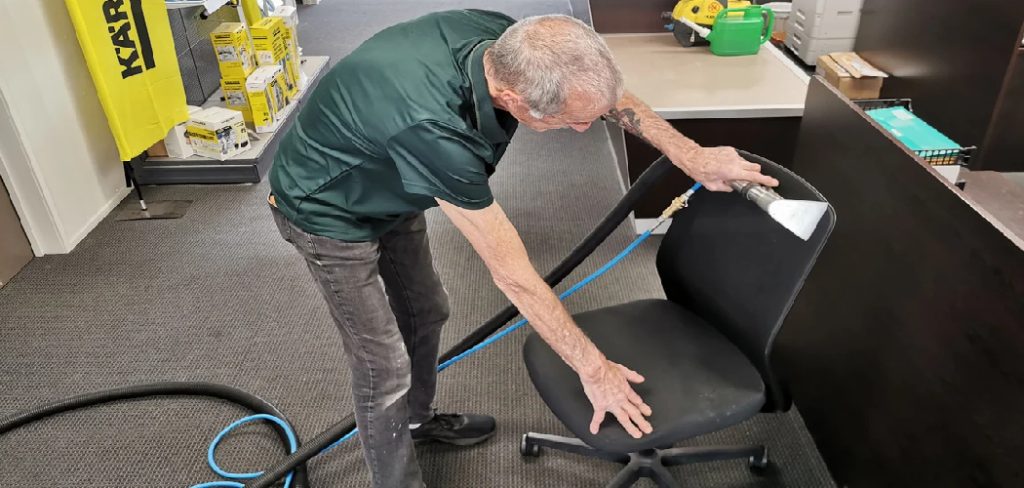
A clean seat can subtly shift the entire feeling of your workspace. It removes the low-level distraction of working in a messy environment, allowing you to settle in comfortably. This guide on how to wash office chair breaks down the steps to safely clean your chair and get it back in working order.
Decoding Your Chair’s Material
The very first thing to check is the upholstery tag. These labels usually hide right under the seat pan, and they tell you exactly what liquids the fabric can tolerate.
An “W” suggests that water-based cleaners are safe to apply. An “S” indicates you should stick exclusively to solvent-based solutions. If you spot a “W/S,” you generally have the freedom to use either type of cleaner.
Sometimes, these tags tear off or fade to white over the years. In those cases, a careful visual inspection of the mesh, leather, or fabric might be your best guide. Guessing wrong and soaking a dry-clean-only fabric can cause permanent watermarks.
Gathering the Right Supplies for Cleaning
Before you start cleaning, it’s important to gather all the necessary supplies. This includes:
- Water-based cleaner
- Solvent-based cleaner
- Soft cloths or sponges
- Protective gloves
- Soft-bristled brush (for scrubbing)
- Vacuum (if needed)
Preparing for the Wash
Dragging the chair out to a garage or a covered patio is usually a smart move. Good ventilation helps the interior padding dry much faster. It also keeps strong soap smells out of your immediate workspace.
Pop off any removable armrest covers or lumbar pillows. Inspect the surface closely to spot specific stains that might need focused attention once the washing begins.
The 7-step Cleaning Process on How to Wash Office Chair
Step 1: Vacuum Thoroughly
Start by handling the dry debris. Press the brush attachment firmly into the seams to pull out trapped dust and hair. Skipping this stage might just create a muddy mess when you introduce liquid cleaners later. A quick blast of compressed air can also clear dust out of the mechanical adjustment levers.
Step 2: Spot Test Your Cleaner
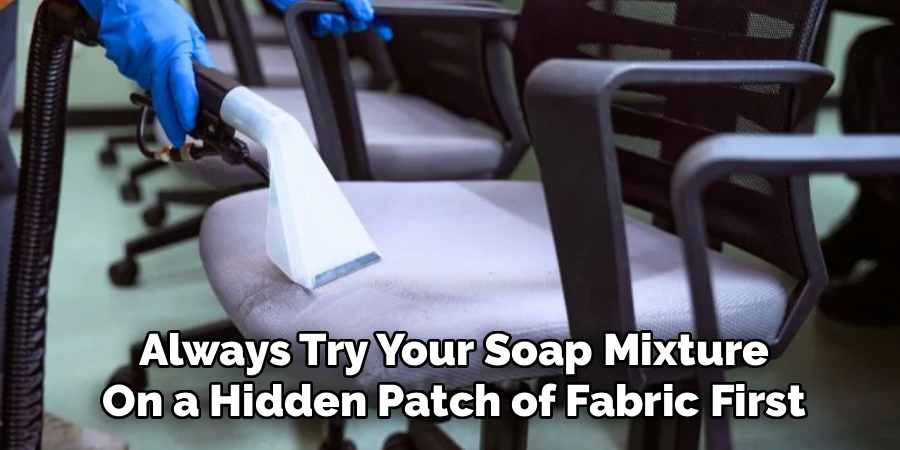
Always try your soap mixture on a hidden patch of fabric first. The bottom edge of the seat is usually a safe bet. Wait about ten minutes to observe the reaction. Check if the dye bleeds or if the texture noticeably stiffens. This brief check could save your expensive office furniture from permanent discoloration.
Step 3: Address Stubborn Stains
Dab a bit of your cleaning solution directly onto prominent coffee rings or ink marks. Blot the area gently. Rubbing aggressively often pushes the stain deeper into the foam padding below. For tougher spots on standard fabric, a basic paste made of baking soda and water might help lift the trapped pigment.
Step 4: Wipe Down the Upholstery
Wring out your cloth until it is barely damp. Wipe the main seating areas using light, overlapping strokes. The goal is to lift surface oils without soaking the interior padding. Saturated foam frequently leads to mold growth and musty smells. Keep rinsing your cloth in clean water as you move across the chair.
Step 5: Clean the Hard Components
Do not ignore the armrests and the star base. These hard surfaces catch scuffs from shoes and oils from your hands every single day. A damp sponge usually handles these marks quite well. Dry these plastic and metal parts with a separate towel right away to prevent annoying water spots from drying on the surface.
Step 6: Unclog the Wheel Casters
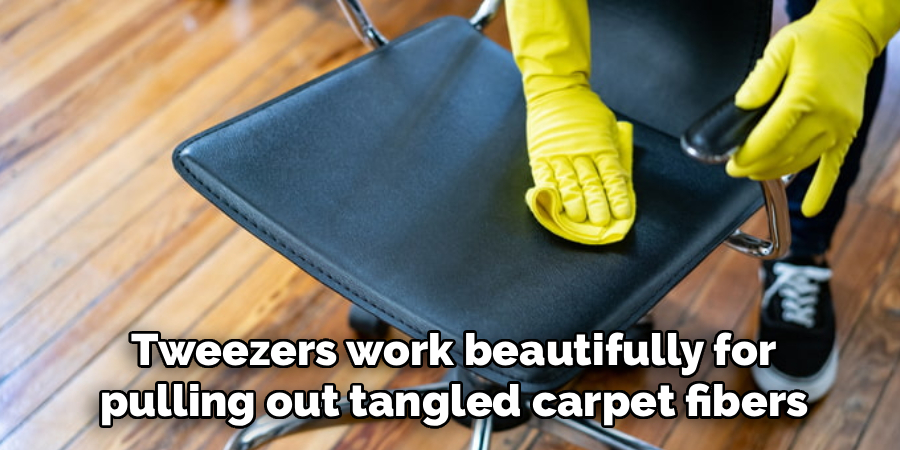
Flipping the chair upside down reveals the true state of your wheels. Tweezers work beautifully for pulling out tangled carpet fibers. Wipe the plastic rollers with a little rubbing alcohol to stop them from dragging on the floor. Clean casters ensure your chair glides quietly across the room.
Step 7: Let It Air Dry
Give the chair plenty of time to dry out naturally before you sit down. Point a fan directly at it if you are stuck indoors. Keep the furniture away from space heaters, as high, localized heat can easily warp plastic mechanisms. Sitting down too soon might push residual surface moisture straight back into the deep foam.
Following these steps on how to wash office chair can help you maintain a clean, hygienic and comfortable workspace. With regular cleaning, your office chair will not only look good but also last longer. Make sure to schedule routine deep cleaning sessions to keep your chair in top condition. Remember to always check the manufacturer’s instructions for any specific care guidelines before proceeding with cleaning.
Routine Maintenance and Care Tips
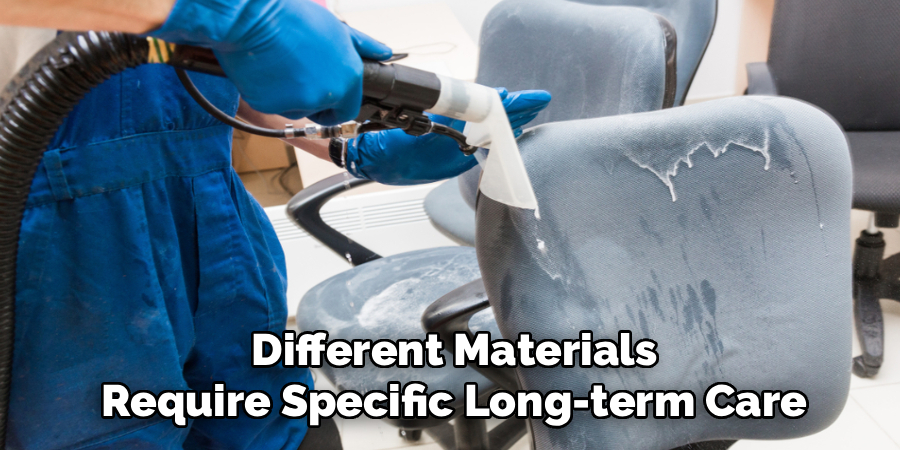
Different materials require specific long-term care. Leather chairs generally need a dedicated conditioner to stop them from cracking over the years. Harsh chemicals will strip the finish right off faux leather.
If overall staleness becomes an issue in your office, a sprinkle of dry baking soda left on the seat overnight acts as a great natural deodorizer. Vacuum lightly every week to keep the worst of the dust at bay. Wipe up accidental spills the moment they happen.
Common Cleaning Mistakes
Pouring too much water onto the seat cushion remains the most frequent error people make. This inevitably leads to a foul smell that is incredibly difficult to remove. Using highly acidic chemicals can completely destroy delicate fabrics. Ignoring the manufacturer’s care tag is another easy way to ruin a perfectly good seat with massive water rings.
If your car has leather seats, you should avoid using products that contain bleach or ammonia to clean them. These harsh chemicals can weaken and discolor the leather, making it more susceptible to tears and cracks.
Another common mistake is using abrasive tools, such as scrub brushes or steel wool, to clean upholstery. These rough materials can easily damage and scratch delicate fabrics, leading to a worn appearance over time.
Tips for Proper Upholstery Care
Vacuum Regularly
Dust, dirt, and debris can accumulate in the crevices of your car seats over time. Use a soft-bristle attachment to gently vacuum the upholstery, making sure to reach all hard-to-access areas.
Use Gentle Cleaners
Opt for cleaners specifically designed for the type of upholstery in your car, whether it’s leather, fabric, or synthetic materials. Always test a small, inconspicuous area first to ensure the cleaner doesn’t cause discoloration.
Protect from Sunlight
Prolonged exposure to direct sunlight can fade and dry out upholstery, especially leather. Use sunshades or park in shaded areas to protect your seats from UV damage.
Blot Spills Immediately
If a spill occurs, quickly blot it with a clean, dry cloth to absorb the liquid. Avoid rubbing, as this can push the stain deeper into the fabric.
Condition Leather Seats
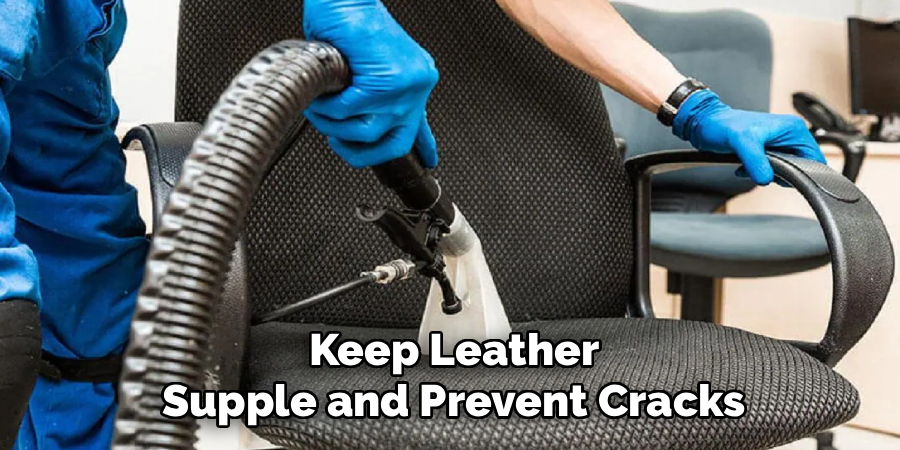
To keep leather supple and prevent cracks, apply a high-quality leather conditioner every few months. Follow the instructions on the product for the best results.
Avoid Eating or Drinking in the Car
While it may not always be possible, limiting food and drink in the car can significantly reduce the chances of stains and spills.
By following these tips, you can extend the life of your upholstery and maintain the pristine look of your car’s interior.
Frequently Asked Questions
Q1: How Often Should I Clean My Office Chair?
Aim for a light vacuuming every week. A deeper wash involving soap should probably happen every three to six months. You might need to increase this frequency if you eat lunch at your desk every day.
Q2: Can I Use a Steam Cleaner on My Office Chair?
Steam cleaners might work exceptionally well for highly durable fabrics. The heat naturally kills bacteria. However, you should avoid using steam on leather, faux leather, or chairs with cheap foam padding that might warp under the intense heat.
Q3: How Do I Get Rid of Lingering Odors in the Seat Cushion?
Dry baking soda is an excellent tool for neutralizing smells. Spread a generous layer across the seat and leave it undisturbed overnight. Vacuum the powder up the next morning to pull out the trapped odors.
Q4: How Do I Remove Tough Stains from Seat Cushions?
For tough stains, you can make a homemade cleaning solution with equal parts water and white vinegar. Use a clean cloth to apply the solution to the stain, then blot with a dry cloth until the stain disappears. For oil-based stains, sprinkle cornstarch or baking soda on the stain and let it sit for 15 minutes before vacuuming it up.
Conclusion
Maintaining your office chair does not have to be a complicated ordeal. By vacuuming away dust, treating accidental spills promptly, and wiping down the hardware, you can keep your workspace looking presentable.
Implement these basic washing habits, and you might find your long desk sessions become noticeably more comfortable. Thanks for reading this guide on how to wash office chair.
