

Door sensors are small devices that help a security system know when a door opens or closes. They are common in home alarms, smart homes, offices, warehouses, and restricted areas because doors are one of the main ways people enter a building.
Understanding how do door sensors work helps you choose the right sensor, install it correctly, and spot problems before they create security gaps. Most door sensors are simple, but they play an important role. A basic model can alert you when someone opens a door. A smart model can send phone alerts, turn on lights, or trigger an alarm.
This guide explains the process in a clear, beginner-friendly way. You will learn what parts are inside a door sensor, how magnets and switches detect movement, how signals travel to a hub or panel, and what can cause false alerts. By the end, you will have a practical understanding of how these devices protect entry points.

Why Door Sensors Matter
Door sensors matter because they give your security system real-time awareness. Without them, an alarm panel or smart hub may not know when a door has been opened. This makes them useful for front doors, back doors, garage entries, storage rooms, offices, and cabinets.
They also add convenience. A sensor can remind you that a door was left open, log entry times, or trigger smart home routines. For example, it can turn on a hallway light when the door opens at night.
The main benefit is early warning. A door sensor cannot stop every threat by itself, but it helps you respond faster. When installed and tested properly, it becomes a simple, reliable layer of protection.
Step-By-Step Guide To How Do Door Sensors Work
Step 1: Identify The Sensor And Magnet
Most door sensors have two main pieces. The larger piece is the sensor body, and the smaller piece is usually a magnet. The sensor body contains the switch, circuit, transmitter, battery, or wiring connection. The magnet does not need power because its job is to affect the switch inside the sensor.
In many installations, the sensor body goes on the door frame, while the magnet goes on the moving door. When the door is closed, both pieces sit close together. When the door opens, the magnet moves away from the sensor body, and the system detects that change.

Step 2: Learn how do door sensors work With Magnets
Many common door sensors use a magnetic reed switch. A reed switch is a small sealed switch that reacts when a magnet is near it. When the magnet is close, the switch rests in one state. When the magnet moves away, the switch changes state.
This change tells the sensor that the door has opened or closed. The sensor is not watching the door like a camera. It is only detecting whether the magnet is close enough to keep the switch in its normal position.
This simple design is one reason door sensors are dependable. They use basic parts and can work for a long time with little maintenance.
Step 3: Understand What Happens When The Door Opens
When the door opens, the magnet separates from the sensor body. Once the gap becomes wide enough, the switch inside the sensor changes position. That change creates an electrical signal inside the device.
The sensor then reports the new door status. In an alarm system, this may mean the protected entry point is now open. In a smart home system, it may mean a routine should start.
The sensor does not decide whether the event is dangerous. It only reports the door movement. The alarm panel, smart hub, or app decides what action should happen next based on your settings.
Step 4: Follow How The Signal Travels
After the sensor detects a change, it must send that information somewhere. Wired sensors send signals through low-voltage wires connected to an alarm panel. Wireless sensors send radio signals to a receiver, smart hub, or control panel.
Wireless models are popular in homes because they are easier to install. They usually run on batteries and send short signals when the door opens, closes, or checks in with the system.
Wired models often appear in professional security systems. They take more effort to install, but they do not depend on batteries in each sensor. Both styles can be reliable when installed correctly.

Step 5: See how do door sensors work With The Control Panel
The control panel or smart hub acts like the brain of the system. It receives the signal from the door sensor and checks your settings. If the system is disarmed, it may simply record the activity or play a chime. If the system is armed, it may start an entry delay or trigger an alarm.
This is why the same door sensor can behave differently in different modes. A front door may allow you time to enter a code. A storage room door may trigger an instant alert.
The sensor reports the status, but the panel decides the response.
Step 6: Compare Common Sensor Types
Magnetic contact sensors are the most common type, but they are not the only option. Surface-mounted sensors attach to the outside of the door and frame. They are easy to see and simple to install.
Recessed sensors fit inside drilled holes in the door and frame. They look cleaner because they are mostly hidden. They are often used when appearance matters.
Garage doors may use tilt sensors instead of standard contact sensors. These detect changes in angle as the door opens or closes. Some advanced models also detect vibration, tampering, or temperature changes.
The best choice depends on the door style, security need, and installation surface.
Step 7: Recognize Common Problems
Door sensors are simple, but they can still give false alerts or stop working. Poor alignment is the most common issue. If the sensor and magnet are too far apart, the system may think the door is open even when it is closed.
Loose adhesive can also cause trouble. Over time, heat, moisture, dust, or door movement can weaken mounting tape. Screws may loosen as well, especially on doors that are used often.
Wireless sensors can also have low batteries or weak signal strength. Wired sensors may have damaged or loose connections. Testing the sensor regularly helps catch these problems early.
Step 8: Test And Maintain The System

Testing a door sensor is usually simple. Close the door and check that the system shows it as closed. Open the door and confirm that the system changes to open. If your system has a chime feature, listen for the alert when the door moves.
For wireless sensors, replace batteries when the system gives a warning or when performance becomes unreliable. Keep the sensor and magnet clean, secure, and properly aligned.
You should also test sensors after painting, door repairs, weather changes, or frame movement. Even a small shift can affect how well the sensor reads the door position.
Frequently Asked Questions
Are Door Sensors Only Used For Alarm Systems?
No, door sensors are used for more than alarms. They can support smart home routines, energy savings, access tracking, and safety reminders. For example, a sensor can turn on lights when a door opens or send an alert if a freezer door stays open. Security is the most common use, but the same basic idea works in many settings.
Where Should A Door Sensor Be Installed?
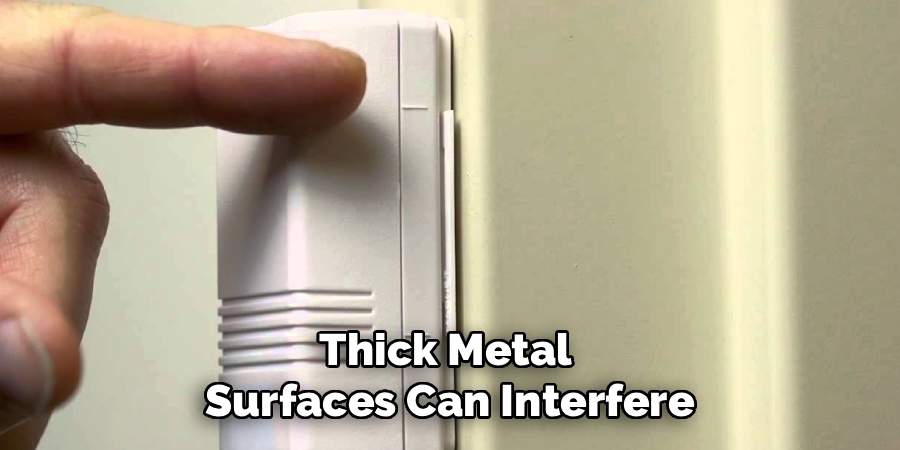
A door sensor is usually installed near the top of the door, with one piece on the frame and the other on the door. This location keeps it away from bumps and daily contact. The two pieces must line up closely when the door is closed. Always follow the spacing guide from the manufacturer for the best results.
Do Wireless Door Sensors Need Batteries?
Yes, most wireless door sensors need batteries. The battery powers the internal circuit and allows the sensor to send signals to the hub or alarm panel. Battery life depends on the model, signal strength, temperature, and how often the door is used. Many systems send low-battery alerts, but regular checks are still a smart habit.
Can A Door Sensor Work On A Metal Door?
Yes, many door sensors can work on metal doors, but installation may need extra care. Metal can affect magnet strength or wireless signal range in some cases. You may need spacers, screws, or a sensor designed for metal surfaces. After installation, open and close the door several times to make sure the system reads it correctly.
What Is The Difference Between A Door Sensor And A Motion Sensor?
A door sensor detects whether a specific door is open or closed. A motion sensor detects movement in a wider area, such as a hallway or room. Door sensors are best for entry points because they give clear status. Motion sensors cover more space, but they may not tell you exactly which door or window was used.
Conclusion
Door sensors are simple devices, but they do important work. They use a sensor body and magnet, or another detection method, to recognize when a door opens or closes. Then they send that information to a panel, hub, or app so the system can respond.
The key is proper setup. Choose the right sensor type, align the parts carefully, test the system often, and replace batteries when needed. If a sensor gives false alerts, check alignment, mounting, power, and signal strength before replacing it.
Once you understand how do door sensors work, you can use them with more confidence and build a safer, smarter entry-point monitoring system.

About
Alexis Kerr is a distinguished figure in the world of professional workspace optimization, with a decade of expertise creating innovative and ergonomic office environments. Her professional focus lies in merging organizational psychology with modern spatial design, fostering office setups that are both high-performing and employee-centric. As the lead author for Deskvity, Alexis Kerr delves into the art and science of corporate aesthetics and functionality, inspiring office managers and remote professionals alike.
Education Cornell University
(Ithaca, New York) Bachelor of Science in Design and Environmental Analysis Focus on human factors, workplace strategy, and sustainable interior environments. Gained extensive experience in how physical space influences productivity and mental clarity.
Savannah College of Art and Design (SCAD)
(Savannah, Georgia) Master of Fine Arts in Interior Design Specialized in commercial workspace solutions with a focus on blending digital integration with physical comfort. Participated in high-level industry projects to refine the balance between corporate branding and architectural utility.
Publications and Impact
In Deskvity, Alexis Kerr shares her insights on modern workspace trends, acoustic management, and strategies for efficient layout planning. Her writing bridges the gap between high-level architectural theory and practical day-to-day office needs, making it a must-read for both facility directors and individual professionals looking to elevate their work environment.