

There’s something oddly maddening about a squeaky office chair. The tiniest movement—a subtle shift, a casual lean—triggers that shrill sound. Soon, it’s not background noise. Suddenly, it’s all you can hear. Colleagues cast side glances, and your own patience is tested. Yet, for all its power to distract, this is a problem surprisingly easy to get a grip on. A bit of patience, some ordinary tools (no engineering degree required), and a willingness to poke around under the seat will usually set things right.

If you find yourself wincing every time you roll back or swivel, you’re hardly alone. Let’s talk about what’s making that racket, and how to coax your chair back to peace—without resorting to wishful thinking or a brand new purchase. In this guide on how to fix a squeaky office chair, we will cover the common causes of squeaks and creaks, as well as simple solutions to silence those annoying sounds.
Common Causes of a Squeaky Office Chair
First things first: Where is all that noise coming from? It’s tempting to blame “old age” or poor design, but most squeaks come down to friction. Usually, some part, whether it’s a metal spring in the tilt mechanism or a bolt in the base, is no longer gliding but scraping.
Over the months, lubricants vanish—no mystery there. Metal wears against metal. Bolts, which once sat tight, start to wobble, shifting under each movement. Sometimes, though, the problem hides in plain sight: castors tangled with hair or dust bunnies can bring a persistent creak with every roll.
Tools and Materials You’ll Need
- Lubricant (such as WD-40 or silicone spray)
- An adjustable wrench or pliers
- A screwdriver set
- A vacuum cleaner with attachments
- Clean cloth or paper towels
Safety Precautions
Maybe this repair doesn’t scream “danger,” but you’re still dealing with greasy sprays and hidden metal edges. If you’re working indoors, crack a window or head outside before letting loose with any aerosol cans.
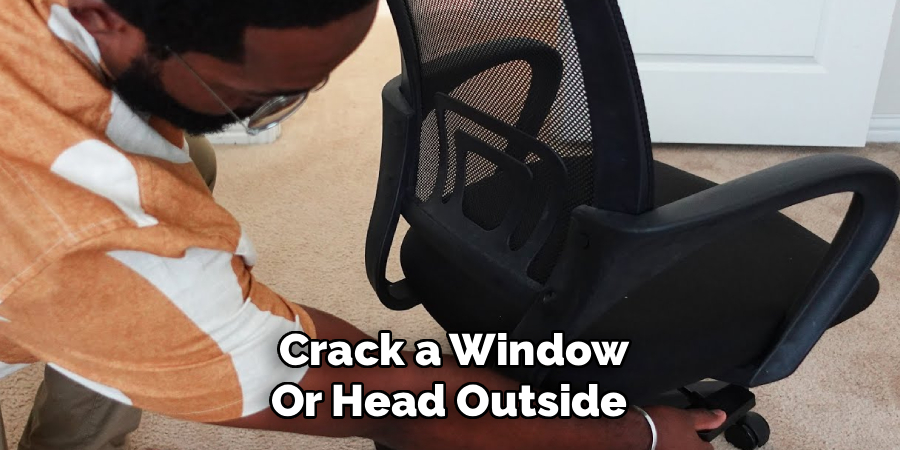
Gloves, while optional, might spare you a few scraped knuckles on sharp brackets and prevent the “why do my hands smell like machine oil?” moment later. Oh, and those mechanical hinges and springs? They’re perfectly designed to pinch if you’re not paying attention.
7 Simple Step-by-step Guidelines on How to Fix a Squeaky Office Chair
Step 1: Locate the Source of the Squeak
You could panic and disassemble everything, but it’s rarely necessary. Try this instead: sit down in a quiet room, and put the chair through its paces. Lean back, swivel, bounce a little—don’t worry if you look silly. Listen for exactly when the squeak jumps out. Is it as you recline? Or when you aimlessly twirl? Enlist a second set of ears if you can—a friend crouching beside you can often trace the sound in moments. Once you’ve zeroed in, flip the chair gently and check for obvious signs: scuffed paint, oily buildup, or metal dullness. These clues often mark the exact place at fault.
Step 2: Gather Your Tools and Prepare the Workspace
Nothing derails these small jobs like searching for the right bit halfway through. Clear a bit of space on the floor. Spread out an old sheet—never underestimate the wandering potential of greasy drips. Pile your screws, wrenches, and lubricant within reach. When you tip the chair over, be sure it’s steady; some chairs flop awkwardly, so placing them on their back or side is usually easier. Armrests, if fixed, can provide a makeshift stand.
Step 3: Tighten All Screws, Nuts, and Bolts
Loose hardware is, if not the main guilty party, a frequent accomplice. Methodically check each screw and bolt beneath the seat and along the frame. Use the right tool; it’s remarkable how often the wrong driver chews up a perfectly good screw. If you find one wiggling loose, tighten it with some firmness but stop short of brute force—stripping the threads is easy and spells bigger trouble later. Pay close attention to where the backrest meets the seat, since these areas take plenty of stress.
Even if you’re convinced the noise lies elsewhere, this step isn’t wasted: tightening the assembly reduces strain and stops new squeaks from popping up a week later.
Step 4: Lubricate the Chair’s Metal Mechanisms
After the frame feels solid, shift to the friction points. Grab your lubricant (a silicone-based spray usually does the trick). Target metal joints, axles, and anywhere two surfaces rub together. If your can has a straw attachment, great—reach into tight corners. Especially focus beneath the seat, where the central column and its socket often grind with constant turning.
Apply a measured amount—not so much that it drips everywhere, but enough to coat. Work the mechanism: spin, lean, flex the seat. Doing this spreads the lubricant across spots you couldn’t reach directly, and you may notice the squeak fading as you move.
Step 5: Fix the Springs and Tension Turn Knob
Chairs that complain loudest when you lean back are often begging for attention at the tension spring. Flip the chair and find the big knob under the seat (usually front and center). Unscrew it fully. You’ll uncover a chunky spring and sometimes a washer or two rattling around. Hit the spring with a good spray—don’t skimp, but don’t flood your mechanism either. Let gravity help the lubricant work into the coils.
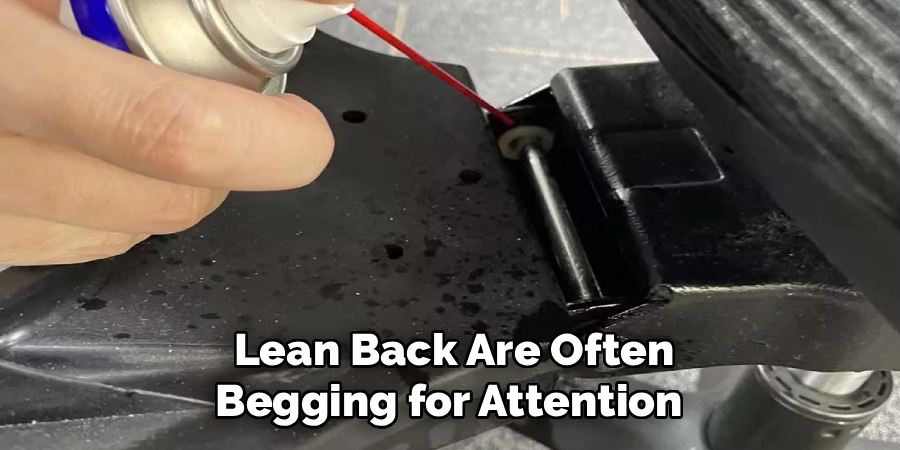
Screw everything back together. Now, test by reclining—if you’re lucky (and attentive), the grating noise should fade as the lubricant seeps throughout.
Step 6: Clean and Lubricate the Wheels and Casters
Don’t neglect the wheels. Flip the chair over and take a look; more than one amateur repairperson has been appalled by the ecosystem thriving between the casters. Dust, threads, pet hair—it’s all there, slowing you down and creating strange noises as you roll. Tease this mess out with tweezers or a bent paperclip.
Once you’re confident the wheels are clear, let a tiny drop of lubricant fall onto the axle of each. Spin the wheels by hand to pull the oil inside. Immediately wipe off excess; you want slick wheels, not a slippery floor.
Step 7: Test the Chair and Wipe Away Excess Lubricant
Set the chair back on its wheels. Take a spin—literally. Bounce, lean back, test every direction that once made you wince. If some sound lingers, track it down and repeat as needed. This repair process is as much trial and error as it is science.
End by wiping away any visible oil or grease beneath the seat and on the wheels. Not only does this look more professional, but any leftover mess will attract dirt and gunk, leading to new problems.
Following these steps on how to fix a squeaky office chair should have your chair back to its quiet, efficient self in no time. But remember, regular maintenance and cleaning can prevent squeaks from occurring in the first place.
When to Replace Parts?
Sometimes, a squeak is just a warning sign. If, during your inspection, you realize the chair is sinking slowly while groaning, chances are the gas lift is failing—no lubricant can solve this.
And if you spot cracks in the frame or plastic base, don’t wait around. That’s a structural risk, best solved by swapping the part (or retiring the chair).
Preventive Maintenance Tips
Silence, once achieved, will fade if you ignore basic upkeep. Add a chair checkup to your cleaning routine every couple of months: flip it over, give each bolt a quick twist, and offer the springs a light spray of fresh lubricant.
A little prevention pays off—many never need a big repair just by staying ahead of trouble.
Common Mistakes to Avoid
It’s surprisingly easy to go overboard with the spray—more isn’t better. Excess lubricant runs down, forming puddles and smears to haunt your socks (or the carpet) later. Equally common is the “spray and pray” approach: dousing every visible surface and hoping the noise vanishes.
That rarely fixes the source. And don’t underestimate a stripped screw head; once you’ve rounded out the slots, there’s no tightening or loosening without extra hassle.
Frequently Asked Questions
Q1: What Is The Best Lubricant For A Squeaky Office Chair?
While opinions differ, most have found silicones and PTFE sprays (like many “dry” bicycle lubes) to keep chairs gliding for months without buildup. Traditional WD-40 works but can attract dust over time; if you value low maintenance, reach for a dry lubricant instead.
Q2: Why Does My Chair Squeak Only When I Lean Back?
That classic reclining squeak almost always points to the tension spring housing. As you lounge, metal coils twist and rub their sleeve. Lubricate them and check nearby bolts—they’re a small, often-overlooked fix.
Q3: Can A Squeaky Office Chair Be Dangerous?
Generally, a simple squeak from dryness is harmless. However, if that noise arrives with wobbling or a loose seat, it’s often a signal that something foundational is wrong. Don’t ignore it. Left unchecked, minor faults can become real safety hazards—a failed bolt or fractured base may suddenly give way.
Conclusion
Fixing a creaky chair isn’t about heroics—just a bit of observation and maintenance. The transformation, once done, is instantly gratifying: work can continue, free from petty distractions.
Regular care (a twist here, a spray there) will keep your seat rolling smoothly. Half an hour invested today could buy you years of silent sittings and far fewer glares during Zoom meetings. Thanks for reading this guide on how to fix a squeaky office chair.

About
Alexis Kerr is a distinguished figure in the world of professional workspace optimization, with a decade of expertise creating innovative and ergonomic office environments. Her professional focus lies in merging organizational psychology with modern spatial design, fostering office setups that are both high-performing and employee-centric. As the lead author for Deskvity, Alexis Kerr delves into the art and science of corporate aesthetics and functionality, inspiring office managers and remote professionals alike.
Education Cornell University
(Ithaca, New York) Bachelor of Science in Design and Environmental Analysis Focus on human factors, workplace strategy, and sustainable interior environments. Gained extensive experience in how physical space influences productivity and mental clarity.
Savannah College of Art and Design (SCAD)
(Savannah, Georgia) Master of Fine Arts in Interior Design Specialized in commercial workspace solutions with a focus on blending digital integration with physical comfort. Participated in high-level industry projects to refine the balance between corporate branding and architectural utility.
Publications and Impact
In Deskvity, Alexis Kerr shares her insights on modern workspace trends, acoustic management, and strategies for efficient layout planning. Her writing bridges the gap between high-level architectural theory and practical day-to-day office needs, making it a must-read for both facility directors and individual professionals looking to elevate their work environment.