

Working from home or spending long hours at a desk can eventually take a toll on your furniture. Over time, your favorite seat might start absorbing unwanted scents from coffee spills, daily sweat, or even pet dander, leaving you feeling uncomfortable during your workday. Nobody wants to sit in a foul-smelling environment while trying to focus on important tasks or virtual meetings.
Fortunately, you do not have to throw away a perfectly good piece of furniture just because it has developed a stubborn odor. By using a few household supplies and following a thorough cleaning routine, you can completely refresh your workspace fabric. This guide on how to get smell out of office chair covers everything you need to know about how to get the smell out of an office chair, leaving your desk area fresh and inviting once again.

Identify the Source of the Smell
Before applying any cleaning solutions, you need to figure out exactly where the odor is coming from and what caused it. Different smells require different treatment methods. For example, a lingering damp scent might indicate mold or mildew trapped deep within the foam padding, which often happens in humid environments or after a major liquid spill.
On the other hand, sharp or stale odors usually stem from accumulated sweat, dropped food crumbs, or a pet that uses your seat as a bed after hours. Inspect the fabric closely for visible stains, discoloration, or sticky patches. Flipping the chair over to check the crevices and undercarriage can also reveal hidden debris that might be contributing to the unpleasant aroma.
Tools and Materials You’ll Need
Gathering the right supplies ahead of time will make the cleaning process smooth and efficient. You likely already have most of these items in your pantry or laundry room. You will need:
- A vacuum cleaner with an upholstery brush attachment
- Baking soda (a natural odor absorber)
- White vinegar
- A spray bottle
- Mild dish soap or laundry detergent
- An enzymatic cleaner (essential for pet odors)
- Microfiber cloths or soft sponges
- A fan or access to a well-ventilated outdoor space
7 Simple Step-by-step Guidelines on How to Get Smell Out of Office Chair
Step 1: Thoroughly Vacuum the Fabric and Crevices
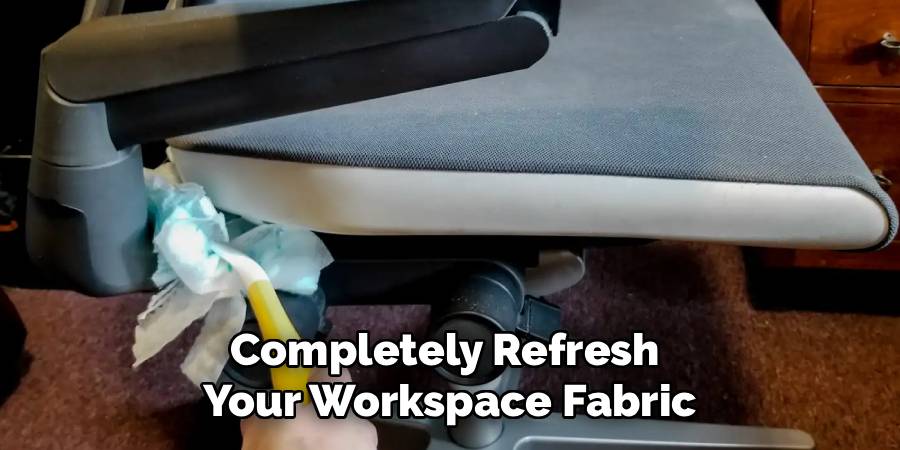
The very first thing you need to do is remove any loose dirt, dust, and food crumbs resting on the surface. Attach the upholstery brush to your vacuum cleaner and gently run it over the backrest, seat cushion, and armrests. This step is crucial because applying liquid cleaners to a dusty chair can push the dirt deeper into the fabric, creating a muddy mess that is even harder to clean.
Make sure you press the vacuum nozzle into the tight seams and crevices where the backrest meets the seat. Debris loves to hide in these narrow gaps, and organic matter breaking down in these areas is a common cause of foul smells. Taking your time during this initial dry cleaning phase ensures that the subsequent odor-neutralizing treatments can penetrate the fabric directly.
Step 2: Liberally Apply Baking Soda
Once the surface is completely free of loose debris, it is time to use baking soda to draw out the embedded odors. Sprinkle a generous, even layer of baking soda across the entire seat cushion, backrest, and any fabric-covered armrests. Baking soda is highly alkaline, which allows it to neutralize the acidic compounds found in sweat, food spills, and body oils without introducing harsh chemicals to your furniture.
Leave the baking soda undisturbed on the fabric for at least a few hours, though leaving it overnight yields the best results for particularly stubborn smells. As it sits, the powder absorbs both moisture and odor molecules trapped in the upper layers of the upholstery. After sufficient time has passed, use your vacuum cleaner again to thoroughly suck up all the powder, leaving the surface visibly cleaner and smelling significantly fresher.
Step 3: Create and Apply a White Vinegar Solution
If a noticeable scent remains after the baking soda treatment, white vinegar is your next best line of defense. Mix equal parts distilled white vinegar and distilled water inside a clean spray bottle. Vinegar contains acetic acid, which is incredibly effective at breaking down the bacteria responsible for causing lingering, musty odors in porous materials like foam and fabric.
Lightly mist the solution over the affected areas of the chair, being careful not to completely saturate the cushion. You want the fabric to be damp, but if liquid seeps too far into the foam padding, it can take days to dry. Do not worry about the strong salad dressing smell; as the vinegar evaporates into the air, it takes the trapped odors with it, leaving behind a completely neutral scent.
Step 4: Spot Clean Any Visible Stains
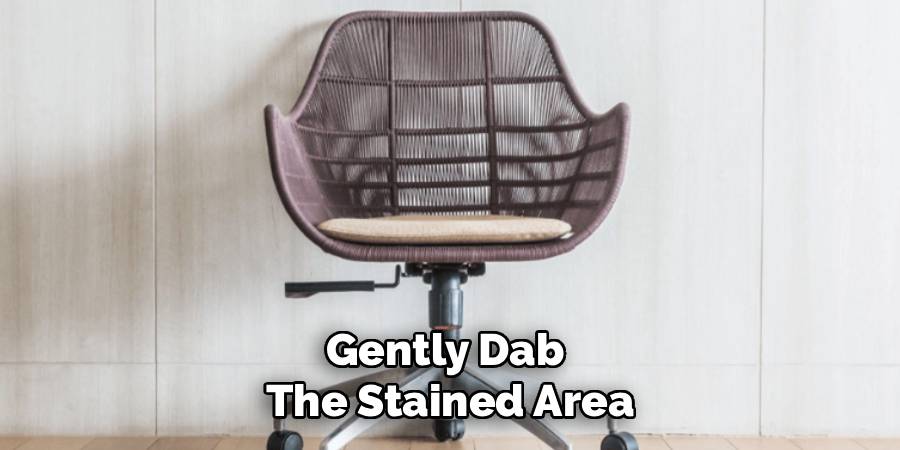
Sometimes odors are anchored to specific spots where coffee, tea, or food has previously spilled. To tackle these localized problem areas, mix a few drops of mild dish soap into a bowl of warm water until it forms a light lather. Dip a soft microfiber cloth into the soapy water, wring out the excess moisture, and gently dab the stained area rather than rubbing it vigorously.
Rubbing can fray the upholstery fibers and push the stain deeper into the foam core. Instead, use a gentle blotting motion to lift the residue away from the fabric. Once the stain is lifted, use a separate cloth dampened only with fresh water to dab the area again, effectively rinsing away any leftover soap residue that might otherwise attract more dirt in the future.
Step 5: Treat Pet Smells with Enzymatic Cleaners
If your dog or cat frequently naps on your desk chair, traditional cleaning methods might not be enough to break down the proteins in their dander, saliva, or accidents. This is where an enzymatic cleaner becomes absolutely essential. These specialized cleaning products contain friendly bacteria that produce enzymes specifically designed to digest organic matter, effectively destroying the odor at a molecular level.
Spray the enzymatic cleaner directly onto the affected zones according to the manufacturer’s instructions on the bottle. Usually, these cleaners need to sit on the fabric for a specific amount of time so the enzymes can actively consume the odor-causing bacteria. After the designated waiting period, blot the area with a clean, dry towel to absorb the remaining moisture, and let it air dry naturally.
Step 6: Use a Steam Cleaner for Deep Odors
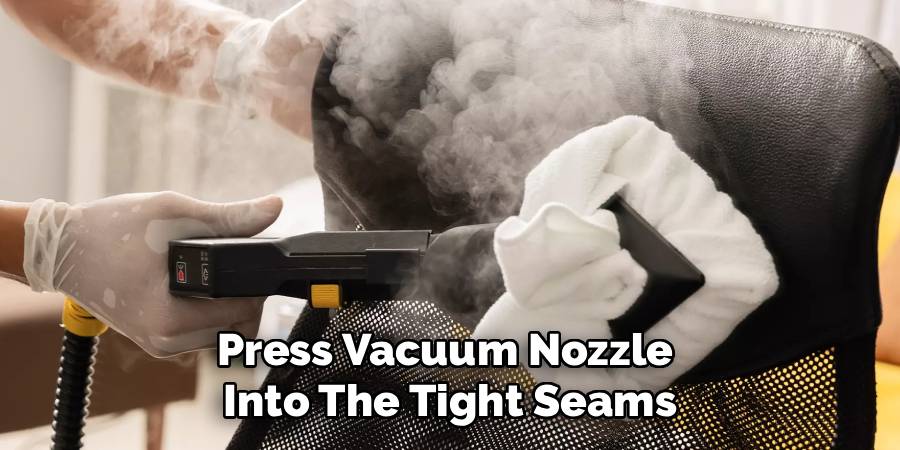
For chairs that have years of accumulated sweat or smells buried deep inside the memory foam, a steam cleaner provides a professional-level deep clean. The high temperature of the steam kills bacteria, dust mites, and allergens on contact while lifting embedded grime out of the fabric fibers. If you do not own an upholstery steam cleaner, you can often rent a portable one from a local hardware store.
Pass the steam wand evenly over the fabric, moving at a steady pace to avoid soaking any single spot with too much moisture. The combination of heat and gentle suction pulls out the deeply ingrained dirt that surface-level scrubbing simply cannot reach. Always check the manufacturer’s care tag on your chair first to ensure the fabric can withstand high heat without shrinking or melting.
Step 7: Dry the Chair Properly and Completely
The final and arguably most important step is ensuring the chair is entirely dry before you sit in it again. Any residual moisture trapped inside the seat cushion can quickly lead to mildew growth, which will introduce a brand new, terrible smell to your workspace. Whenever possible, move the chair to a well-ventilated area or a sunlit room, as UV rays have natural antibacterial properties.
If you cannot move the chair outside, place a dehumidifier or an oscillating fan nearby and point it directly at the seat. Keep the windows open to promote cross-ventilation in your office. Do not use the chair until you are absolutely certain that both the surface fabric and the underlying foam padding are completely dry to the touch, which usually takes between twelve and twenty-four hours.
Following these steps on how to get smell out of office chair, you should now have a fresh and clean workspace. But to prevent any future issues with odor, there are a few additional steps you can take.

Preventing Future Odors
Once you have successfully removed the unpleasant smells, maintaining a fresh chair requires a few proactive habits. First, try to avoid eating at your desk, as dropping crumbs or spilling drinks is the easiest way to soil the fabric. If you do eat while working, consider placing a small towel or a washable slipcover over the seat to catch any accidents before they hit the upholstery.
Additionally, maintain good ventilation in your workspace to prevent stale air and humidity from settling into your furniture. Giving your chair a quick vacuum once a week and doing a light baking soda treatment once a month will stop bacteria from building up. Keeping your workspace clean not only preserves your chair but also helps maintain your focus and productivity.
When to Replace the Chair?
Even with the most rigorous cleaning routine, there comes a time when an office chair simply cannot be saved. If you have tried deep cleaning, steaming, and enzymatic sprays but a strong, musty odor persists, mold has likely taken root deep within the inner foam core.
Breathing in mold spores is detrimental to your health and respiratory system.
Furthermore, if the padding has flattened out or the fabric is severely torn and stained, alongside the smell, the chair has reached the end of its lifespan. Investing in a new, ergonomic replacement will be much better for both your posture and the air quality of your home office.
Frequently Asked Questions
Q1: Can I Use Bleach To Clean A Smelly Office Chair?
A1: You should absolutely avoid using bleach on your office chair upholstery. Bleach is an extremely harsh chemical that will quickly strip the color out of the fabric, leaving permanent, unsightly white patches. Furthermore, bleach can weaken and degrade the synthetic fibers over time, leading to tears. Stick to gentle alternatives like white vinegar or baking soda for safe odor removal.
Q2: How Often Should I Clean My Office Chair?
A2: For routine maintenance, you should vacuum your office chair every one to two weeks to remove surface dust and prevent crumbs from settling into the crevices. A deeper clean using baking soda or a light soapy solution should be performed every three to six months. However, if you spill a liquid or drop greasy food, you should spot-clean the area immediately to prevent a permanent odor.
Q3: Will Direct Sunlight Ruin My Office Chair?
A3: Leaving your chair in direct sunlight for a few hours can be beneficial because UV rays help kill odor-causing bacteria and speed up the drying process. However, leaving the chair exposed to intense, prolonged sunlight day after day can cause the fabric dyes to fade and the materials to become brittle. Always limit outdoor sun exposure to a few hours while drying.
Conclusion
Taking care of your office furniture is a critical part of maintaining a healthy, productive working environment. A smelly chair is a major distraction, but with simple household items like baking soda, vinegar, and a bit of patience, you can easily restore your seat to its original condition.
By staying on top of regular maintenance and acting quickly when spills occur, you can significantly extend the lifespan of your office chair. Keep your workspace well-ventilated, consider using a protective cover if you eat at your desk, and enjoy the comfort of a fresh, clean seating area every time you log in for work. Thanks for reading this guide on how to get smell out of office chair.
