

Keeping an office truly clean is, in many ways, less about dogged pursuit of perfection and more about routines that quietly shape daily life. It may sound simple: wipe things down, empty a few bins, mop the floors, move on. But what actually happens when this routine slips, even a little? The air feels heavier. Desks gather dust. Colds pass from one person to the next, and before you know it, you notice the shift in how people move through the space. Can a few crumbs and smudges really do all that? The evidence—admittedly, a mix of anecdote and basic biology—suggests they just might.
If you’ve ever wondered why some offices feel oddly calming and others leave you tense or distracted, pay attention to cleanliness. Not an all-or-nothing pursuit, but a kind of ongoing negotiation with dust, germs, and the detritus of office life. Below, you’ll find more than a list of cleaning chores. Rather, this guide on how to clean an office building is intended as a kind of blueprint: tools, tactics, and quiet rituals that actually survive contact with real workdays, real people, and the real, relentless arrival of crumbs, spills, and half-drunk coffee mugs.
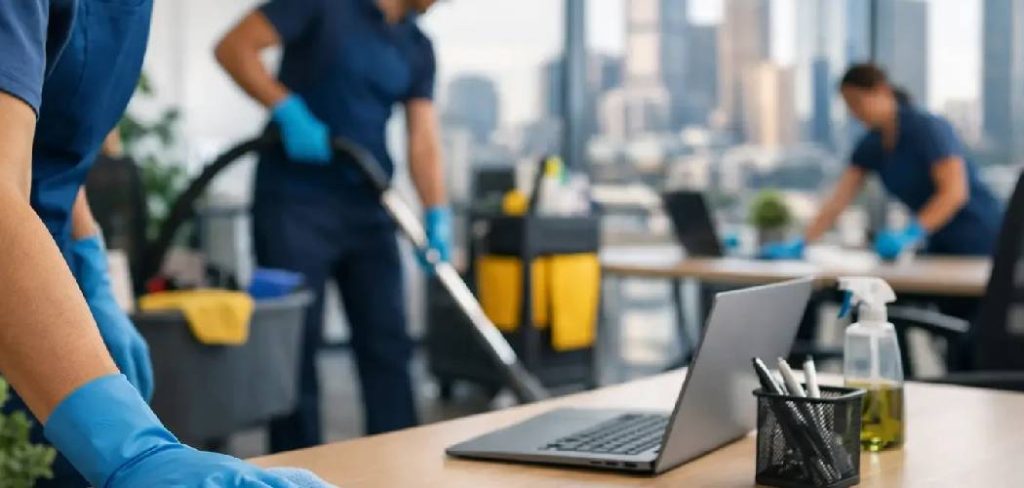
Tools and Materials You’ll Need
- Broom and dustpan
- Vacuum cleaner
- Microfiber cloths
- All-purpose cleaner
- Glass cleaner
- Disinfectant spray or wipes
- Mop and bucket (if applicable)
- Trash bags
- Rubber gloves
7 Simple Step-by-step Guidelines on How to Clean an Office Building
Step 1: Declutter and Organize the Workspace
There’s a truth most cleaning enthusiasts learn early: clutter and cleanliness do not play well together. Until you’ve dealt with the scattered mail, half-read handouts, and that forest of mismatched coffee cups, there’s almost no point in reaching for the disinfectant. Surfaces buried beneath the day’s debris remain untouched, and germs, it turns out, know how to lie low.
A trick? Set aside just five minutes at the end of the day, ask everyone to file, stash, or at least stack their paperwork. Once the visual chaos recedes, the whole office feels as though it’s recently expanded. It doesn’t just look better—the air seems lighter, moods lift, and there’s a subtle reduction in “where did I put…?” mutterings. Plus, with everything put away, the next round of cleaning is far less likely to turn into a rescue mission for waterlogged documents or toppled monitors.

Step 2: Empty Trash and Replace Liners
Here’s something few people admit: nothing sours an office quicker than overlooked garbage. Those little bins—practically invisible until a whiff of yesterday’s lunch drifts by—deserve daily attention. It may seem excessive, but think rodents and odor overkill, and suddenly the chore finds its purpose.
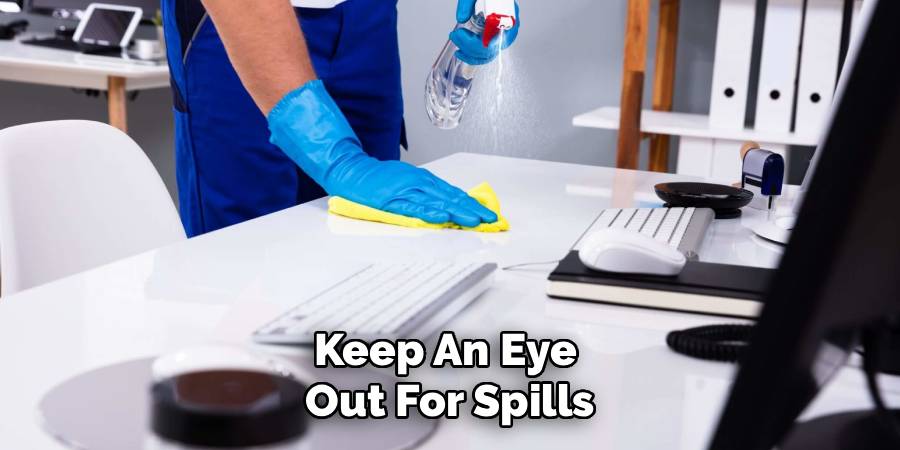
Circle the space with intent, and empty every bin: beneath desks, in the break area, even tucked beside the copier. Use a larger, leakproof liner to corral the lot, and keep an eye out for spills. Find a sticky residue? Take a moment to wipe it out now, rather than let it ferment for another week. Liners should always fit the bin—crumpling or stretching them leads to split bags and later regrets.
Simply swapping the bag is only half of it. If you linger, you’ll notice it’s the overlooked details—the little stickiness, the faint smell—that define how inviting, or not, an office feels on any given morning.
Step 3: Dust All Surfaces and Electronics
Dusting sounds simple, but after a while, the patterns emerge: dust falls, always down. Start high—think fan blades, the top shelves no one dares disturb, the stubborn vents that seem eternally gray. Work in wide sweeps, occasionally circling back as dust drifts earthward.
When the time comes for electronics, slow down. Computer screens and touch pads bruise easily, and an overenthusiastic wipe can mean a costly call to IT. A dry microfiber cloth works for most static grit, but sometimes, especially after someone’s greasy lunch, a barely-damp wipe (never a spray directly on the gear) becomes inevitable. Know your machines, and err on the side of caution, as replacement screens are rarely in the cleaning budget.
Cubicle walls, chair arms—these, too, are magnets for forgotten dust. Clean them and you’ll find the air clears, literally, within the hour.
Step 4: Wipe Down and Disinfect High-Touch Areas
If you pause, it’s easy to count the spots everyone’s fingerprints collect: door handles, the microwave, and copy machine buttons. These surfaces quietly mediate the day’s viral exchanges—cold, flu, and worse—unless you remember them, rag or spray in hand.
Disinfectant works, but impatience cancels half its virtue. Always read the bottle: the fine print reveals how long it must sit, wet, for anything truly noxious to die. Rush it, and you’re mostly moving germs around. Set a timer—yes, really—or glance at the clock. Then wipe, using a fresh cloth reserved only for this job.
It would be easy to let routine make this task automatic, but vigilance here wields unusual power: healthy office, fewer unplanned absences, and a sense of calm most people never consciously notice.
Step 5: Clean the Office Windows and Glass Doors
Nothing says “we don’t care” quite like fingerprints on the entry glass. This chore, underestimated because it seems purely cosmetic, affects mood and reputation in equal measure. Imagine a client peering through smudged glass, or how Monday morning feels if sunlight makes smears and streaks the room’s chief feature.
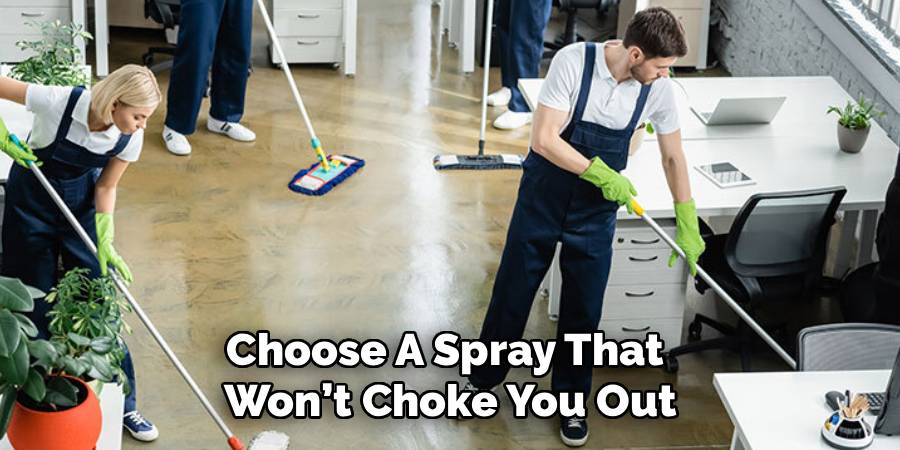
Choose a spray that won’t choke you out with fumes. Aim for lint-free cloths or a squeegee, and work downward in smooth arcs—the “S” motion minimizes streaks. That glossy glow isn’t just vanity; light, seen or felt, matters to everyone stuck behind a screen all day.
Some days, streaks will resist. Don’t get stuck chasing them forever. Buff with a dry cloth, step back, and if needed, try again tomorrow.
Step 6: Sanitize the Breakroom and Restrooms
Now for the battlegrounds: breakrooms and bathrooms. These zones, ripe for bacteria and everyone’s favorite place to cut corners, need the most attention.
In the kitchen, start with the microwave—sometimes horror shows of splatter and old cheese. Scrape, don’t just wipe; otherwise, you’ll be back tomorrow. Sink basins, too, can accumulate a disturbing film. Run hot water, scrub, and try not to breathe too deeply. Coffee makers? The carafes are easy, but check the hidden corners where grounds and old filters lurk and quietly decay.
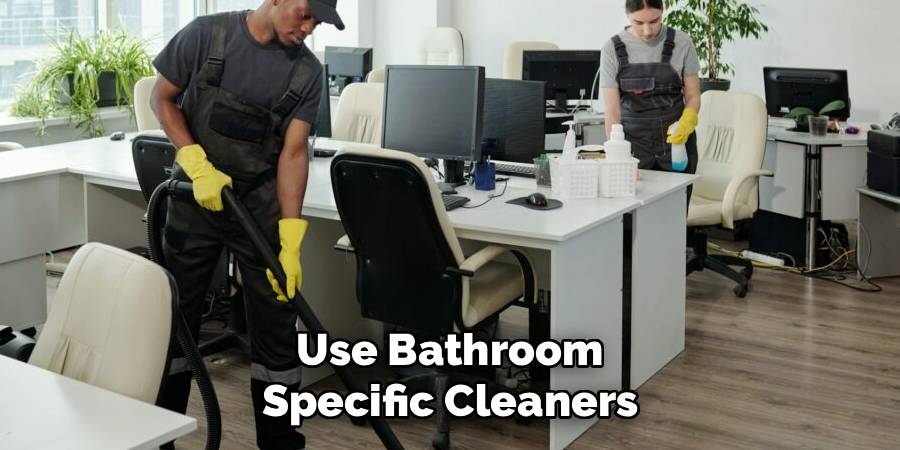
Restrooms, as any janitor will confess, enforce humility. Use bathroom-specific cleaners; don’t cross-contaminate. Scrub floors, don’t just swirl them with a dirty mop. Refill paper goods even if they’re not empty—better safe than a midday meltdown. Maybe you could get away with less, but eventually, someone will notice.
Step 7: Vacuum and Mop the Floors
No cleaning ritual is complete without a final sweep and mop. Start with the carpets, targeting not only center aisles but those forgotten valleys under desks or beside the printer stand. Give hidden baseboards a once-over; they accumulate far more than meets the eye.
A HEPA vacuum, while a luxury for some, traps the invisible stuff that makes offices sneeze. If it fails to suck with gusto, check the filter and empty it—half the dust in bad offices is recycled thanks to clogged machines.
Tile or hardwood follows. Mix your cleaning fluid carefully—too much, and you risk sticky residue; too little, and grime persists. Work your way out of rooms as much as possible so you’re not leaving fresh footprints or, worse, meeting others on slippery floors. Always flag the area—slip-and-fall lawsuits start with a wet patch and an overlooked sign.
Following these steps on how to clean an office building will not only help maintain a clean and hygienic environment, but it can also improve the overall productivity of employees. When employees work in a clean and organized space, they are less likely to become sick or distracted by clutter and mess. This can result in increased focus, motivation, and efficiency.
Common Mistakes to Avoid
It’s not the grand blunders but the subtle missteps that undercut office cleanliness. Using the same cloth for both the restrooms and the kitchen is not a shortcut; it’s almost an invitation. Forgetting to empty a vacuum filter guarantees lingering dust. And somehow, light switches—touched dozens of times a day—evade even the most rigorous routines.
Chemical concentrates deserve special caution; overdoing them can strip finishes or fill the air with fumes. Sometimes, what you don’t see—wads of old post-its behind monitors—undermines the whole process.
Do You Need To Use Professionals?
At what point do you step back and decide cleaning is best left to the experts? A fair question, and not always one with a simple answer. Very small teams often muddle through with a shared checklist, swapping out garbage bags and giving counters a once-over. It’s serviceable, if not sparkling.
But when the space grows, the old “just have someone take care of it” model falters. Frustration brews. Corners get cut. Absenteeism—quiet, unremarkable—ticks up. External crews, while an expense, bring not just gear and training but a consistency even the most diligent employees are hard-pressed to match. There’s a cost, including industrial chemicals, insurance, and scheduling headaches. Yet the payoff—less griping, more focus, and actual cleanliness—usually becomes obvious.
How Much Will It Cost?
Here’s the part few want to pin down: what does good cleaning actually cost? The honest answer is—it depends, sometimes wildly. Tiny outfits spending the bare minimum may get by with a couple of hundred dollars in supplies a year, especially if labor is “free.” As the scale increases, however, costs balloon, aligned more with square footage and foot traffic than with abstract standards of “clean.”
Hiring an outside service usually means either a monthly contract or a pay-per-square-foot arrangement. In some areas, you’ll see rates hovering around ten cents per square foot; elsewhere, three times that. When the quotes make you wince, remember: the invisible savings surface in less obvious ways, like fewer sick days or less staff turnover because people actually enjoy being at work.
Frequently Asked Questions
Q1: How Often Should An Office Building Be Cleaned?
No universal rule fits every space, though high-traffic zones—bathrooms, kitchens, entrances—certainly call for daily cleaning. Private offices and quiet nooks might go two or three times a week without consequence, though the precise schedule will shift as needs change. Deep cleans—carpets, vents, or forgotten corners—sometimes don’t happen for months, often to everyone’s regret.
Q2: What Is The Best Disinfectant For Office Desks?
Quaternary ammonium-based sprays, the kind approved by the EPA, tend to win points for both efficacy and a gentle touch on surfaces. Bleach and wood rarely mix well, so avoid it unless you’re absolutely certain. And beware of sprays that claim miracle results; stick to basics, spot test when in doubt, and swap brands if sticky residues annoy everyone.
Q3: Can Regular Cleaning Improve Employee Productivity?
It’s commonly believed—and a few well-designed studies seem to reinforce—that people think more clearly, work better, and stay healthier when clutter and contagion are held at bay. There’s a psychological weight to disorder, and cleanliness signals a kind of care that employees often, consciously or not, carry into their work.
Conclusion
If you take nothing else from this guide, let it be this: the rituals of cleaning, humble as they seem, shape not just what an office looks like, but how it feels, and—at its best—how people work. Precision matters, yes. But so does consistency and, occasionally, forgiving yourself for the inevitable missed spot.
Audit your habits. Swap out those worn towels. If nothing else, pay attention. Sometimes, that’s more than enough to keep things running smoothly. Thanks for reading this guide on how to clean an office building.

1 thought on “How to Clean an Office Building”