

Cubicle walls collect more dust, fingerprints, coffee splashes, and odors than many people realize. Because they sit close to desks, chairs, shoes, food, and shared office traffic, they can quickly start to look dull or feel less fresh. Learning how to clean cubicle walls helps you keep a workspace healthier, more professional, and more comfortable without damaging the materials.
Most cubicle panels are made with fabric, laminate, vinyl, or a mix of surfaces. Each type needs a different cleaning approach. Fabric panels can hold dust and smells, while hard panels may show smudges, marker marks, and sticky residue. Using too much water or the wrong cleaner can leave stains, loosen adhesive, or cause warping.
This beginner-friendly guide walks you through safe cleaning methods step by step. You will learn how to identify the wall material, remove dirt, test cleaners, treat stains, reduce odors, and maintain cubicle panels with simple workplace-safe habits.
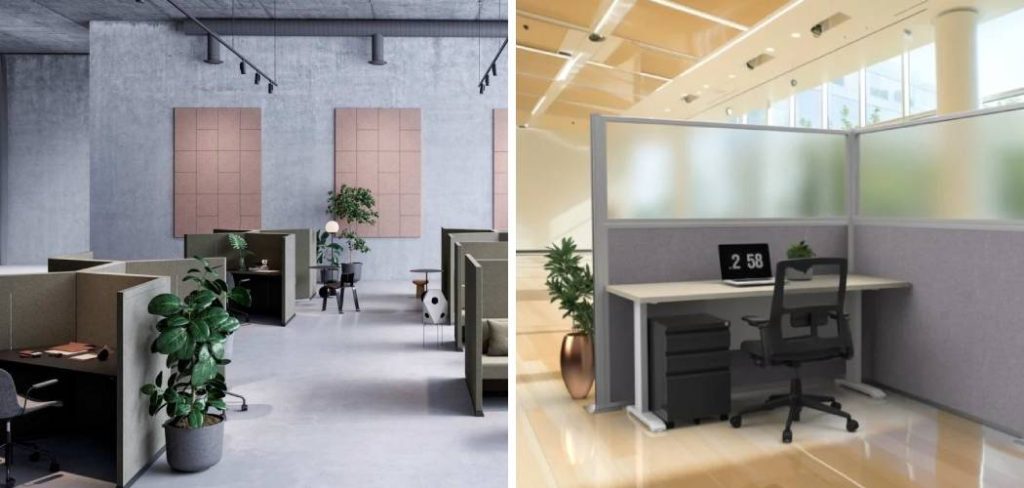
Why Clean Cubicle Walls Matter
Clean cubicle walls help create a better work environment. They make offices look more organized, reduce dust buildup, and can help remove mild odors trapped in fabric panels. A cleaner workspace also supports employee comfort, especially in shared or high-traffic areas.
Regular cleaning can extend the life of cubicle panels. Dust, oils, and spills become harder to remove when they sit for months. Gentle maintenance prevents stains from setting deeply and keeps surfaces looking newer.
Clean panels also help protect office materials. By using mild solutions, careful drying, and the right method for each surface, you can improve appearance without causing fading, water marks, or fabric damage.
Step-By-Step Guide To How to Clean Cubicle Walls
Step 1: Identify The Wall Material
Start by checking what kind of cubicle wall you have. Many office panels are covered in woven fabric, but some have laminate, vinyl, painted metal, glass, or plastic trim. You may also find fabric in the main panel area and a hard surface along the frame.
Touch the surface gently and look at how it reacts to light. Fabric feels textured and may collect lint. Laminate and vinyl feel smooth and wipeable. If you are unsure, ask your office manager or facilities team before cleaning.
This first step matters because each material responds differently to moisture and cleaning products. A method that works on laminate may leave marks on fabric.

Step 2: Remove Dust And Loose Debris
Before using any liquid, remove dry dust, lint, and loose dirt. Use a vacuum with an upholstery brush attachment for fabric panels. Move slowly from top to bottom so dust does not fall onto areas you already cleaned.
For hard surfaces, use a dry microfiber cloth. Avoid rough scrub pads because they can scratch plastic, vinyl, or laminate finishes. Pay attention to corners, seams, and edges where dust often settles.
If you skip this step, moisture can turn dust into muddy streaks. A dry clean first makes the rest of the process easier and helps prevent stains from spreading.
Step 3: Spot Test Any Cleaner
Always test your cleaner before applying it to a visible area. Choose a hidden spot near the bottom edge, behind furniture, or in a corner. Apply a small amount of cleaner with a damp cloth, then wait until the area dries.
Look for fading, discoloration, rings, texture changes, or sticky residue. If the surface changes, stop and choose a milder option. Even gentle cleaners can react badly with certain fabrics, dyes, adhesives, or protective coatings.
A spot test is one of the safest habits when learning how to clean cubicle walls because office panels are not always labeled and may have been cleaned with unknown products before.
Step 4: Prepare A Mild Cleaning Solution
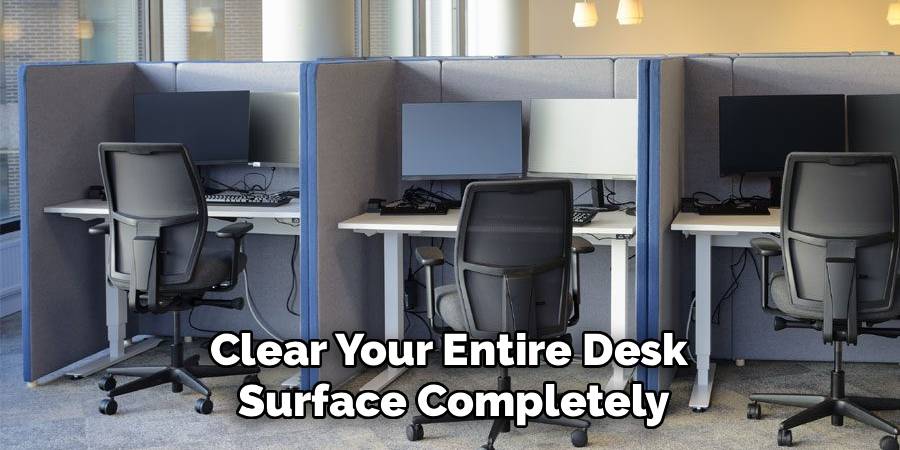
For most cubicle walls, start with a gentle solution. Mix a small amount of mild dish soap with warm water. The water should feel warm, not hot. Hot water can affect adhesives, fabric backing, or certain finishes.
Use only a little soap. Too much can leave residue that attracts more dirt later. Dip a clean microfiber cloth into the solution and wring it out well. The cloth should be damp, not dripping.
Avoid strong bleach, ammonia, abrasive powders, and heavy fragrance sprays unless your facilities team approves them. Strong chemicals can fade fabric, damage finishes, and create odors that bother nearby workers.
Step 5: Clean Fabric Panels Gently
Fabric cubicle panels need light pressure and controlled moisture. Blot the surface with your damp cloth rather than soaking or scrubbing it. Work in small sections from top to bottom, using gentle circular motions only when needed.
If the fabric has visible dirt, repeat the process with a freshly rinsed cloth. Do not pour water directly onto the panel. Too much moisture can soak into padding, cause water rings, or create musty smells if it does not dry properly.
For larger fabric areas, a fabric-safe upholstery cleaner may help, but it should still be tested first. Keep the room ventilated and avoid over-wetting the panel.
Step 6: Clean Laminate Or Vinyl Surfaces
Laminate and vinyl cubicle surfaces are usually easier to clean than fabric, but they still need care. Wipe them with a damp microfiber cloth and mild soap solution. Use smooth strokes and follow with a second cloth dampened with plain water to remove soap residue.
For sticky spots, hold the damp cloth over the area for a short time to soften the residue. Then wipe gently. Do not scrape with sharp objects, as they can leave permanent scratches.
When people search for how to clean cubicle walls, they often focus on fabric, but hard surfaces also collect fingerprints, pen marks, drink splashes, and dust around edges.
Step 7: Address Stains And Odors Carefully
Treat stains based on what caused them. For coffee or food marks on fabric, blot with a mild soap solution and avoid rubbing hard. Rubbing can push the stain deeper into the fibers. For ink, use a cleaner made for upholstery only if the material allows it and the spot test looks safe.
For odors, start with ventilation and dry vacuuming. A light fabric deodorizer may help, but use it sparingly and avoid strong scents in shared offices. Baking soda can sometimes absorb smells from fabric panels, but it must be vacuumed thoroughly.
If stains or odors remain, contact building maintenance or a professional cleaner.
Step 8: Dry And Maintain The Panels

Drying is just as important as cleaning. After wiping, use a clean dry cloth to absorb extra moisture. If possible, increase airflow with a fan or open nearby vents. Do not push furniture tightly against damp panels until they are fully dry.
Check the surface after drying. If you see water rings, soap residue, or dull spots, lightly wipe the area with a barely damp cloth and dry again. The goal is a clean surface with no leftover moisture.
For maintenance, vacuum fabric panels regularly and wipe hard surfaces weekly. Clean spills right away before they set.
Frequently Asked Questions
Can I Use A Carpet Cleaner On Fabric Cubicle Walls?
A carpet cleaner may be too strong or too wet for fabric cubicle panels. These walls often have padding, backing, adhesives, or internal materials that can trap moisture. If you use any upholstery or fabric cleaner, test it first in a hidden area. Apply it lightly with a cloth instead of spraying heavily, and make sure the panel dries fully.
How Often Should Cubicle Walls Be Cleaned?
Light dusting or vacuuming can be done every week or two, especially in busy offices. Deeper cleaning may only be needed every few months unless there are spills, stains, or odors. Shared workstations, call centers, and high-traffic areas may need more frequent care. Regular light cleaning is better than waiting until dirt becomes visible and harder to remove.
What Should I Avoid When Cleaning Office Panels?
Avoid soaking the panels, using harsh chemicals, scrubbing aggressively, or spraying cleaners directly onto fabric. Too much moisture can cause water stains, odors, or damage inside the panel. Strong cleaners can fade fabric or harm laminate finishes. You should also avoid sharp tools, abrasive pads, and scented products that may bother coworkers in a shared office.
Can I Remove Ink Marks From Cubicle Walls?
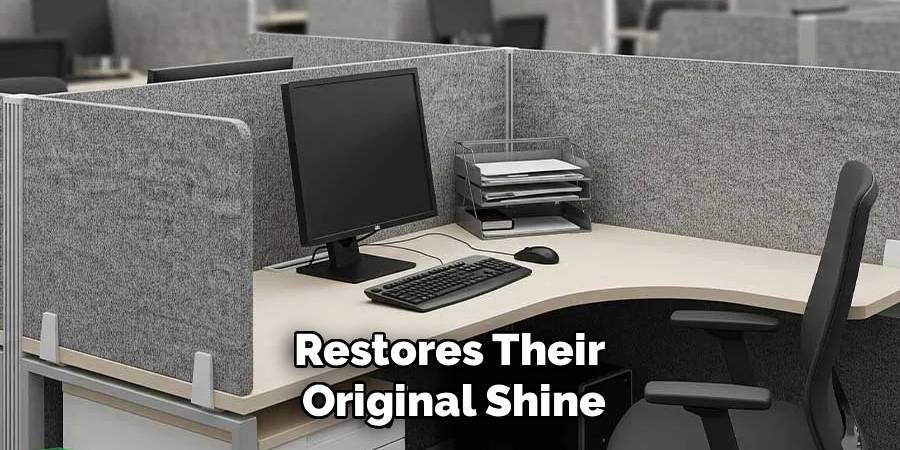
Ink can be difficult to remove, especially from fabric panels. Start by blotting gently with a clean cloth and a small amount of mild cleaner. Do not rub hard, because that can spread the ink. If the mark remains, use a fabric-safe stain remover only after spot testing. For large or permanent ink stains, professional cleaning may be the best option.
How Do I Prevent Cubicle Walls From Getting Dirty Again?
Good habits make maintenance easier. Keep food and drinks away from panel surfaces, wipe spills quickly, and vacuum fabric walls before dust builds up. Avoid pinning oily papers, tape, or sticky notes that leave residue. If chairs or bags rub against the same area every day, adjust the layout slightly to reduce wear and repeated marks.
Conclusion
Cleaning cubicle walls does not need to be difficult, but it does require the right method. Start by identifying the material, removing dry dust, testing cleaners, and using only mild solutions. Fabric panels need gentle blotting and very little moisture, while laminate and vinyl surfaces can usually be wiped with a damp microfiber cloth.
The best results come from patience, light pressure, and careful drying. Avoid oversaturation, harsh chemicals, and rushed scrubbing. Now that you know how to clean cubicle walls, you can refresh your workspace safely and keep office panels looking cleaner for longer.

About
Alexis Kerr is a distinguished figure in the world of professional workspace optimization, with a decade of expertise creating innovative and ergonomic office environments. Her professional focus lies in merging organizational psychology with modern spatial design, fostering office setups that are both high-performing and employee-centric. As the lead author for Deskvity, Alexis Kerr delves into the art and science of corporate aesthetics and functionality, inspiring office managers and remote professionals alike.
Education Cornell University
(Ithaca, New York) Bachelor of Science in Design and Environmental Analysis Focus on human factors, workplace strategy, and sustainable interior environments. Gained extensive experience in how physical space influences productivity and mental clarity.
Savannah College of Art and Design (SCAD)
(Savannah, Georgia) Master of Fine Arts in Interior Design Specialized in commercial workspace solutions with a focus on blending digital integration with physical comfort. Participated in high-level industry projects to refine the balance between corporate branding and architectural utility.
Publications and Impact
In Deskvity, Alexis Kerr shares her insights on modern workspace trends, acoustic management, and strategies for efficient layout planning. Her writing bridges the gap between high-level architectural theory and practical day-to-day office needs, making it a must-read for both facility directors and individual professionals looking to elevate their work environment.