

A broken office chair can quickly turn a productive workday into a frustrating and uncomfortable experience. When your favorite seat starts wobbling, leaning, or refusing to roll smoothly, you might assume it belongs in the dumpster. However, purchasing brand new office furniture every time a minor issue arises costs a significant amount of money and creates unnecessary waste. Learning how to fix a swivel chair base empowers you to restore your ergonomic comfort without spending a fortune on a complete replacement.
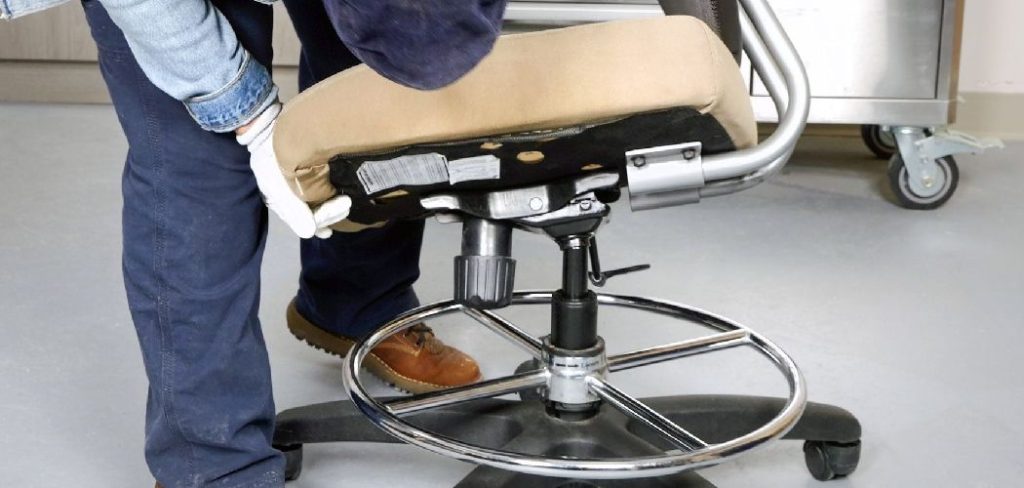
This comprehensive guide gives you the practical knowledge needed to tackle common chair base problems confidently. You do not need a background in furniture repair or a garage full of specialized tools to successfully complete this project. By understanding the core mechanics of your chair, you can diagnose the exact issue and apply a targeted solution in just an afternoon. We will walk you through the entire process from start to finish, ensuring your workspace becomes comfortable and stable once again.
Why Fixing Your Chair Matters
Ignoring a compromised chair base often leads to severe posture problems and chronic back pain over time. When a chair leans to one side or fails to swivel evenly, your body naturally compensates by twisting into unnatural positions. This awkward alignment strains your spine, tightens your neck muscles, and drastically reduces your ability to focus on complex tasks. Repairing the structural foundation of your seat ensures your spine remains perfectly supported during long hours at your desk.
Beyond the clear health benefits, repairing your furniture represents a highly sustainable and financially responsible choice. High-quality ergonomic chairs require a substantial investment, often costing hundreds or thousands of dollars for premium models. By swapping out a single broken component, you extend the lifespan of that valuable asset for several more years. You keep bulky metal and plastic waste out of local landfills while keeping your hard-earned cash firmly in your bank account.
Step-By-Step Guide To How To Fix A Swivel Chair Base
Step 1: Gather The Necessary Tools
The first phase of your repair journey involves collecting the right equipment before you actually dismantle anything. You will need a rubber mallet to safely separate tightly wedged metal parts without causing permanent structural damage. Grab a flathead screwdriver and a can of heavy-duty lubricating spray like WD-40 to help loosen stubborn connections.

Having a large blanket or tarp ready is highly recommended to protect your flooring from grease and heavy metal components. Gather a few clean rags to wipe away decades of accumulated dust and grime from the internal cylinder mechanism. Preparing your workspace thoroughly prevents frustrating interruptions and ensures the entire repair process flows smoothly from start to finish.
Step 2: Prepare And Protect Your Workspace
Working on office furniture often involves dealing with surprisingly greasy components and heavy, awkward parts. Spread your protective blanket or tarp across a flat, well-lit area where you have plenty of room to maneuver. Lay the broken chair completely flat on its side or upside down so you can easily access the bottom mechanism.
Make sure the chair remains stable and will not roll away while you apply pressure to the various joints. Taking the time to properly position the chair prevents accidental injuries and stops heavy parts from scratching your hardwood floors. Good lighting is critical during this stage so you can clearly see the hidden retaining clips and structural cracks.
Step 3: Remove The Base From The Gas Cylinder
Separating the five-star base from the central pneumatic cylinder often serves as the most challenging part of the entire project. Over years of sitting, your body weight firmly wedges the tapered cylinder deep into the center of the base hole. Spray a generous amount of penetrating lubricant exactly where the metal cylinder meets the plastic or metal base housing.
Allow the lubricant to soak into the tight crevice for at least ten to fifteen minutes before attempting removal. Take your rubber mallet and strike the bottom of the base near the cylinder hole with firm, even blows. You must hit the base itself, avoiding the actual cylinder, until the heavy base finally pops completely off the shaft.
Step 4: Inspect The Damage On The Base
Once you successfully separate the base, you must conduct a thorough visual inspection to determine the exact failure point. Wipe away all the old grease and accumulated dust using your clean rags so you can clearly see the material surface. Look closely at the center hub where the cylinder rests, as this area bears the most weight and frequently develops hairline fractures.

Examine each of the five legs individually to check for bending, cracking, or severe warping near the caster sockets. Pay special attention to the small holes where the wheels attach, as cracked sockets will prevent the casters from staying inserted. Identifying the specific damage dictates whether you can apply a quick fix or need to order a completely new base unit.
Step 5: Replacing Broken Casters
If your inspection reveals that the base frame is perfectly intact but the chair refuses to roll, the casters are likely the culprit. You can remove old wheels by gripping them firmly and pulling them straight out of their metal sockets. Sometimes you need to gently pry them loose using your flathead screwdriver if they have rusted into place.
Once the damaged casters are removed, take a moment to clean the empty sockets thoroughly to ensure a smooth installation. Take your brand new wheels and firmly push the metal stem into the socket until you feel a satisfying click. Upgrading to polyurethane rollerblade-style wheels during this step drastically improves mobility and protects delicate flooring surfaces.
Step 6: Address Cracks In The Base Frame
Discovering a deep crack in a plastic or metal star base usually means the component has reached the end of its safe lifespan. While heavy-duty epoxy might temporarily hold a small hairline fracture together, it rarely withstands the constant shifting weight of a seated adult. Attempting to glue a shattered central hub poses a massive safety risk because the chair could collapse suddenly during a busy workday.
The safest and most permanent solution involves ordering a universal replacement base that matches your cylinder diameter. Measure the central hole of your old base to ensure you purchase the correct size for your specific chair model. Investing in a heavy-duty aluminum replacement base guarantees you will never have to deal with cracking or snapping plastic ever again.
Step 7: Reassemble The Chair Components
Putting your chair back together is surprisingly simple once your repairs or replacement parts are fully prepared. Set your newly repaired or brand new base flat on the floor with all five casters resting securely on the ground. Carefully lift the top half of the chair and align the bottom of the gas cylinder directly over the center hole of the base.
Lower the cylinder perfectly straight down into the hole, ensuring it slides into the tapered slot without catching the edges. You do not need any screws, bolts, or special tools to secure this connection because it uses a simple friction fit. Gravity and your body weight will permanently lock the pieces together the very first time you sit down.

Frequently Asked Questions
Can I Use WD-40 To Fix A Squeaky Chair Base?
Applying a high-quality silicone lubricant or lithium grease is usually the best approach for silencing a noisy chair base. While standard WD-40 is excellent for breaking apart rusted parts during the dismantling process, it evaporates too quickly to provide lasting lubrication. You should apply a dedicated mechanical grease directly to the bearings and joints where metal rubs against metal. Wiping away excess grease prevents dust from sticking to the mechanism and causing future grinding noises.
Why Does My Chair Sink When I Sit Down?
If your seat slowly lowers toward the floor when you sit, the pneumatic gas cylinder has lost its internal pressure. This specific issue is not actually a problem with the star base itself, but rather the lifting mechanism inserted into it. You will need to remove the base using a rubber mallet and swap out the faulty gas lift cylinder with a new one. Replacing the cylinder instantly restores the height adjustment functionality and keeps you comfortably elevated at your desk.
Are All Office Chair Bases A Standard Universal Size?
The vast majority of modern office chairs utilize a highly standardized base connection to make manufacturing and repairs easier. The central hole that accepts the gas cylinder almost always measures two inches in diameter across various brands and models. Caster stems also typically follow a standard sizing metric, allowing you to easily swap wheels between different furniture pieces. You should still measure your old components with a tape measure just to verify dimensions before ordering replacement parts online.
How Much Weight Can A Standard Chair Base Support?
Standard nylon plastic bases typically support anywhere from two hundred to two hundred and fifty pounds of static weight safely. If you require a higher weight capacity, upgrading to a heavy-duty cast aluminum or reinforced steel base is absolutely necessary. Metal replacement bases easily accommodate up to five hundred pounds, providing incredible stability and peace of mind for larger users. Checking the weight rating on replacement parts ensures your newly repaired chair remains structurally sound for decades.
Is It Cheaper To Repair My Chair Or Buy A New One?
Repairing specific components like the bottom star frame or the casters is almost always significantly cheaper than purchasing a brand new chair. High-end ergonomic seats often cost hundreds of dollars, while a premium metal replacement base usually runs around fifty dollars. The repair process takes less than an hour, making it an excellent investment of your time and resources. You only need to consider a full replacement if the actual seat cushion, backrest, and mechanical tilt frame are simultaneously destroyed.

Conclusion
Taking the initiative to repair your office furniture transforms a frustrating situation into a highly rewarding do-it-yourself victory. By carefully diagnosing the underlying problem and applying the correct fix, you drastically extend the life of your favorite workspace seat. Knowing exactly how to fix a swivel chair base saves you significant amounts of money and helps protect the environment from unnecessary waste. Grab your tools, follow the detailed steps outlined above, and enjoy the sturdy, perfectly balanced comfort of your revitalized office chair today.
