

Welcome, fellow home gardeners and beginners! Stepping away from your peaceful backyard vegetable beds and entering a busy corporate workspace introduces plenty of unfamiliar tools. Just as you learned to operate a heavy-duty soil tiller or a complex irrigation timer, you must now master corporate telecommunications. Staring at a massive, multi-button desk handset might feel incredibly overwhelming during your first week on the job.
However, understanding exactly how to use office phone systems empowers you to handle professional workplace conversations with absolute confidence. This simple, beginner-friendly guide walks you safely through the basic hardware functions and standard routing procedures you will use every single day. We will cover managing digital voicemail, transferring callers smoothly, and setting up daily forwarding rules without needing specialized technical support. Learning these fundamental communication skills ensures you build strong relationships with your new coworkers and visiting clients. Let us put down the pruning shears, grab a fresh notepad, and explore your new desk equipment together.
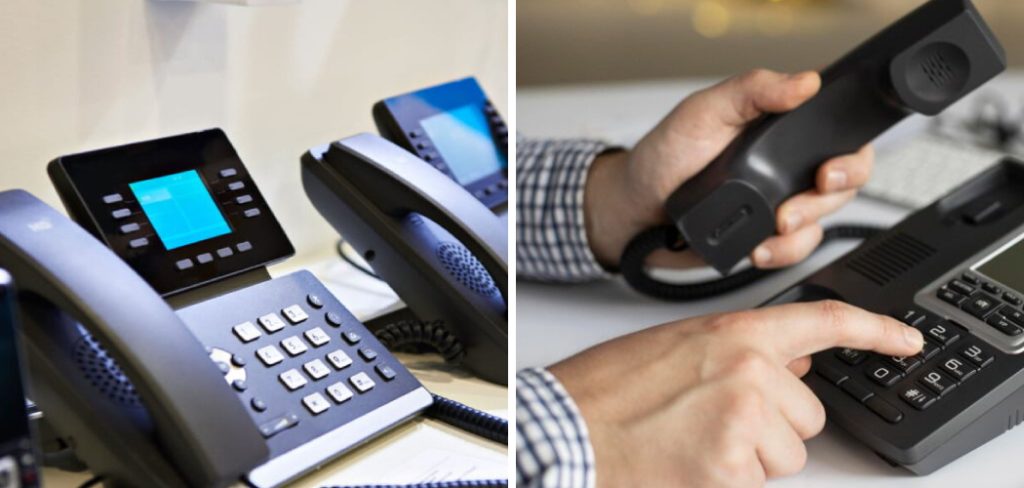
Step-by-Step Guide on How to Use Office Phone Systems
Step 1: Identify Your Primary Hardware Components
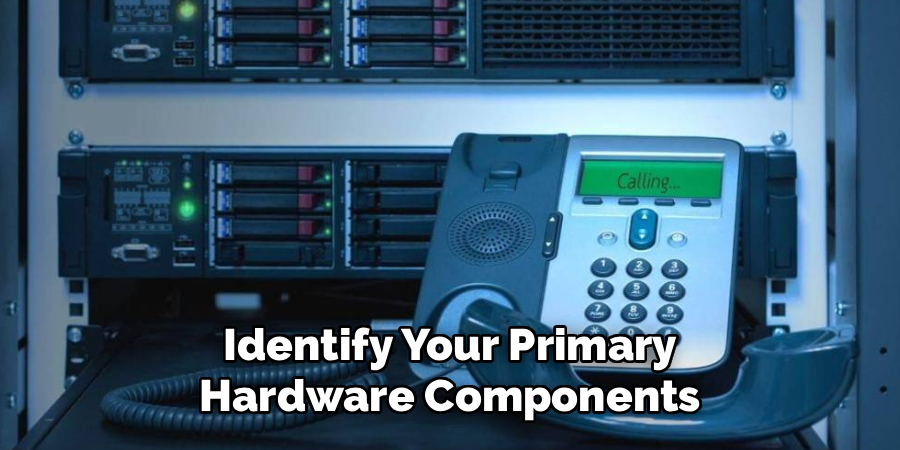
Before making any actual connections, you must familiarize yourself with the physical device sitting quietly on your desk. Think of this hardware as your primary gardening shovel; you need to know exactly how it feels and functions. Examine the heavy plastic handset, the curly connecting cord, and the bright digital display screen. Look closely at the large numeric keypad and locate the specialized command buttons positioned along the outer edges. Taking a few moments to visually map out these various physical buttons prevents frustrating panic when an unexpected caller rings your desk. Recognizing your primary equipment builds immediate foundational confidence.
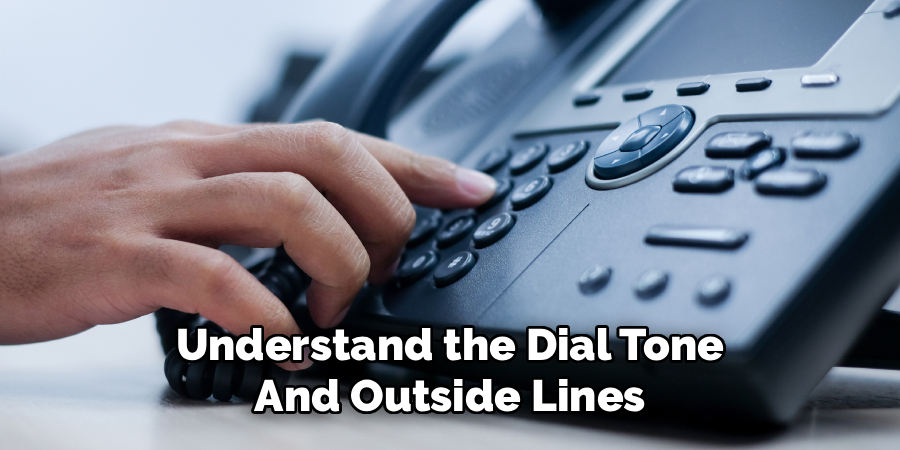
Step 2: Understand the Dial Tone and Outside Lines
Connecting to the outside world requires a slightly different approach than using your personal mobile smartphone. Pick up the handset and listen closely for the continuous humming sound known as the dial tone. This steady acoustic signal confirms your equipment possesses a live, active connection to the central routing computer. In many traditional corporate environments, you must press a specific routing number, usually the number nine, to reach external numbers. Pressing this routing digit tells the internal network to open a pathway to the public cellular grids. Always listen for a secondary confirmation tone before dialing the remaining digits.
Step 3: Master the Art of Internal Extensions
Communicating with your fellow coworkers across the building requires utilizing a specialized internal routing system. Every single desk inside your building features a unique three or four-digit identification number called an extension. Dialing this short sequence bypasses the external public networks entirely, connecting you instantly to your colleague down the hall. Treat these extensions like the carefully mapped rows in your backyard vegetable patch; they keep everything perfectly organized and highly efficient. Keep a printed departmental directory taped securely to your desk for quick daily reference until you memorize the most important extension numbers by heart.
Step 4: Navigate the Voicemail Setup Process
Setting up a professional greeting serves as the digital welcome mat for your personal workspace. You must press the dedicated envelope button on your keypad to access the digital recording menus. The automated voice assistant will guide you slowly through selecting a secure personal identification number and recording your name. Speak clearly and warmly, just as you would greet a friendly neighbor admiring your spring flower beds. Anyone wanting to know how to use office phone systems effectively must prioritize maintaining a highly polished, regularly updated voicemail greeting. A clear recorded message ensures you never miss important client information.
Step 5: Utilize the Hold and Mute Buttons Properly
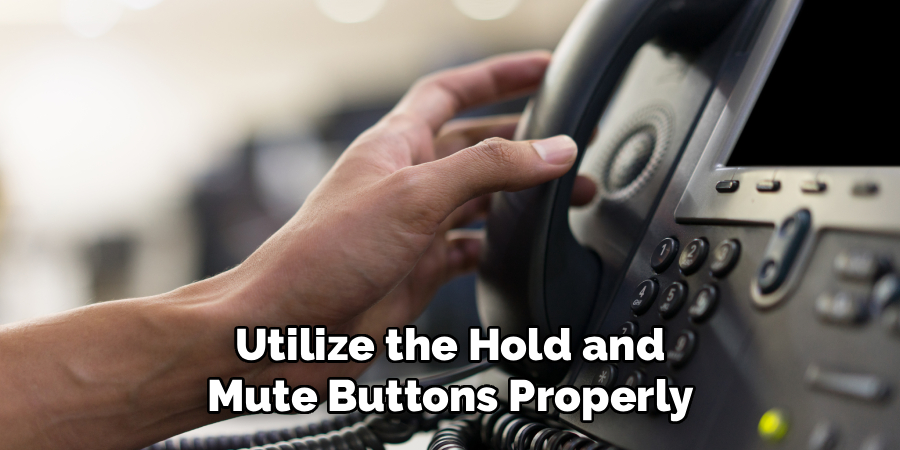
Learning to pause a live conversation gracefully remains an incredibly vital corporate survival skill. The hold button allows you to place a caller in a temporary waiting queue while you search for requested information or physical documents. The caller will usually hear soft background music while they wait patiently on the line. Conversely, the mute button simply disables your internal microphone while keeping the audio connection fully active. Use the mute function when you need to cough or sneeze, preventing loud, disruptive noises from hurting the caller’s ears. Mastering these two distinct buttons guarantees highly professional daily interactions.
Step 6: Transfer Calls Seamlessly to Colleagues
Routing incoming conversations to the correct department requires mastering the delicate digital transfer sequence. When a customer reaches your desk by mistake, you must press the dedicated transfer key to place them on a brief temporary hold. Dial the correct coworker’s internal extension number and wait for them to answer your private background call. Announce the customer’s name and their specific request before pressing the transfer key a second time to merge the connections. This polite, professional handoff prevents customers from feeling abandoned or frustrated, much like carefully transplanting a delicate seedling into a brand new ceramic pot.
Step 7: Set Up Call Forwarding for Busy Days
Stepping away from your desk for lengthy training seminars or vacation days requires routing your incoming traffic elsewhere. The forwarding feature automatically redirects any incoming rings directly to another coworker or your mobile device. Press the designated forwarding button, enter the desired destination extension, and confirm the digital routing command. This brilliant automated feature ensures important clients always reach a live human being rather than landing in a neglected voicemail box. Remember to cancel the active forwarding rule immediately upon returning to your desk, ensuring you resume normal communication duties without any frustrating delays.
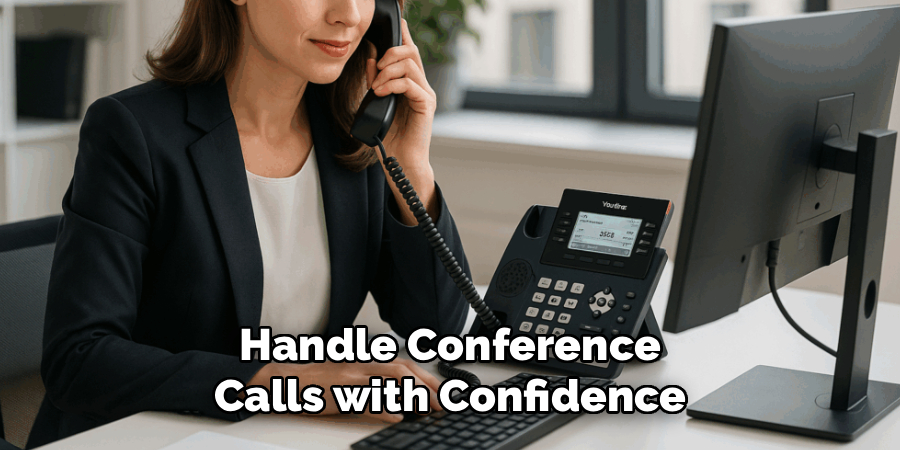
Step 8: Handle Conference Calls with Confidence
Hosting multiple participants on a single line transforms your standard desk hardware into a powerful collaborative meeting tool. To initiate a group conversation, dial your first participant normally and place them on a brief hold. Press the conference command button, dial the second participant, and wait for them to answer the line. Press the conference key one final time to merge all three audio pathways together seamlessly. Managing group discussions requires excellent listening skills and clear vocal projection. Speak slowly and announce your name before sharing ideas to maintain perfect clarity among all the remote participants.
Frequently Asked Question
Do I Always Need To Dial Nine First?
- The requirement to dial an outbound routing digit depends entirely on your company’s specific network configuration.
- Most traditional, hardwired corporate networks require dialing a nine or an eight to secure an outside line.
- Modern internet-based platforms often eliminate this requirement entirely, functioning exactly like a standard mobile device.
- Check with your local information technology department during your orientation week to verify your specific outbound dialing rules.
- Always dial carefully to avoid accidentally triggering emergency services when attempting to reach external clients.
How Do I Retrieve Deleted Voicemail Messages?
- Recovering accidentally deleted audio messages is usually possible if you act quickly before disconnecting from the digital system.
- Most modern internal networks feature a temporary deleted items folder that holds erased messages for twenty-four hours.
- Press the star key or follow the automated voice prompts to navigate toward your deleted message recovery menu.
- Once you hang up the handset completely, those deleted audio files are often purged permanently from the server.
- Take your time when clearing out your digital inbox to prevent losing valuable client contact information forever.
Can I Customize My Hardware Ringtone Volume?
- Yes, adjusting your personal auditory alerts ensures you hear incoming traffic without disturbing your surrounding coworkers.
- Look for the dedicated physical volume keys located near the bottom edge of your plastic keypad.
- Pressing the plus or minus buttons while the handset remains completely idle will adjust the default ringing volume.
- Pressing those exact same buttons during an active conversation will increase or decrease the caller’s speaking volume.
- Finding the perfect acoustic balance makes your daily workspace environment significantly more comfortable and highly productive.
What Exactly Is A VoIP Connection?
- Voice over Internet Protocol represents the modern standard for business communication networks across the globe.
- Instead of utilizing traditional copper telephone wires, these digital platforms transmit your audio signals through standard internet cables.
- This advanced technology allows for crystal-clear audio quality, cheaper international rates, and highly flexible remote working capabilities.
- Many modern desk handsets plug directly into your computer monitor or standard network wall jack rather than a dedicated telecom port.
- Transitioning to this internet-based platform rarely changes the physical buttons you press on your desk equipment.
How Do I Clean My Handset Safely?
- Maintaining a sanitary workspace prevents the spread of seasonal colds and keeps your expensive hardware looking brand new.
- Never spray liquid chemical cleaners directly onto the digital display screen or the plastic numeric keypad.
- Lightly dampen a soft microfiber cloth with rubbing alcohol and gently wipe down the plastic surfaces.
- Pay special attention to the mouthpiece and earpiece, as these areas collect the most physical debris during daily use.
- Cleaning your equipment gently once a week ensures a highly sanitary, pleasant communication experience for your entire career.
Conclusion
Taking complete control of your workspace equipment provides incredible peace of mind and makes every daily shift significantly more productive. By understanding your dial tones, mastering the digital transfer sequences, and utilizing the hold button correctly, you guarantee a wonderfully smooth professional experience. You no longer have to tolerate the frustrating anxiety of staring at a flashing desk unit, wondering which button you should press next.
Learning exactly how to use office phone systems transforms an intimidating corporate task into a highly manageable, entirely routine daily habit. The noticeable improvement in your workplace confidence serves as a fantastic reward for your careful learning efforts. Pick up your handset, dial a friendly coworker to practice your new skills, and embrace your communication potential today. Your new corporate environment eagerly awaits the excellent interpersonal skills you cultivated out in your garden!

About
Alexis Kerr is a distinguished figure in the world of professional workspace optimization, with a decade of expertise creating innovative and ergonomic office environments. Her professional focus lies in merging organizational psychology with modern spatial design, fostering office setups that are both high-performing and employee-centric. As the lead author for Deskvity, Alexis Kerr delves into the art and science of corporate aesthetics and functionality, inspiring office managers and remote professionals alike.
Education Cornell University
(Ithaca, New York) Bachelor of Science in Design and Environmental Analysis Focus on human factors, workplace strategy, and sustainable interior environments. Gained extensive experience in how physical space influences productivity and mental clarity.
Savannah College of Art and Design (SCAD)
(Savannah, Georgia) Master of Fine Arts in Interior Design Specialized in commercial workspace solutions with a focus on blending digital integration with physical comfort. Participated in high-level industry projects to refine the balance between corporate branding and architectural utility.
Publications and Impact
In Deskvity, Alexis Kerr shares her insights on modern workspace trends, acoustic management, and strategies for efficient layout planning. Her writing bridges the gap between high-level architectural theory and practical day-to-day office needs, making it a must-read for both facility directors and individual professionals looking to elevate their work environment.
1 thought on “How to Use Office Phone Systems”