

Discipline at work is the engine that drives productivity, growth, and personal satisfaction. It turns scattered efforts into focused achievements and transforms chaotic days into smooth operations.
How to build office discipline does not mean turning your workplace into a rigid boot camp. Instead, it involves creating reliable habits and clear structures that empower you and your team to do your best work.

When you establish strong workplace habits, you take control of your time, reduce daily stress, and create an environment where everyone can thrive.
What are the Benefits?
Cultivating office discipline brings immediate and lasting advantages to your work life. Here is what you can expect:
- Higher Productivity: Consistent habits eliminate the friction of starting tasks, allowing you to get more done in less time.
- Reduced Stress: Knowing exactly what to do and when to do it prevents the panic of last-minute deadlines.
- Better Work-Life Balance: When you manage your office hours effectively, you can truly disconnect at the end of the day.
- Enhanced Reputation: Colleagues and managers learn they can rely on you, which opens doors for professional growth.
- Improved Focus: A disciplined approach naturally filters out distractions and keeps your attention on high-value tasks.
What Will You Need?
Before you start building better habits, you need a few fundamental tools and mindsets:
- Clear Goals: You must know what you are trying to achieve to stay motivated.
- A Task Management System: Whether digital or a simple paper planner, you need a reliable place to track your responsibilities.
- Time-Blocking Tools: A calendar application to schedule deep work and meetings.
- Commitment to Change: Building new habits requires a willingness to push through initial discomfort.
- Accountability Partner: A trusted colleague who can help keep you on track.
10 Easy Steps on How to Build Office Discipline
Step 1: Define Clear Objectives
To build discipline, you must first know your destination. Start by setting clear, actionable goals for your work. When you understand exactly what success looks like, you can align your daily actions with those targets. Break large projects into smaller, manageable tasks. This approach prevents you from feeling overwhelmed and gives you a clear roadmap for each day. Write these objectives down and keep them visible at your desk. Review them regularly to ensure your daily tasks still push you toward these main targets. Clear objectives act as your anchor, keeping you steady when distractions threaten to pull you off course.

Step 2: Establish a Consistent Routine
Your brain loves predictability. By establishing a consistent daily routine, you reduce the mental energy required to make decisions about what to do next. Start your workday at the same time every morning. Create a specific “startup” sequence, such as reviewing your schedule, checking urgent messages, and organizing your desk. A reliable routine signals to your mind that it is time to focus and work. End your day with a “shutdown” routine to help you disconnect. Over time, these consistent actions become automatic habits, forming the foundation of unwavering office discipline and keeping you grounded during busy periods.
Step 3: Prioritize Daily Tasks
Not all tasks hold the same value. To maintain discipline, you must learn to identify and tackle your most important work first. Use frameworks like the Eisenhower Matrix to categorize tasks by urgency and importance. Pick the top three high-impact tasks you must complete each day and focus your energy there. Tackle the hardest, most complex project first thing in the morning when your mental energy peaks. By prioritizing effectively, you prevent busywork from consuming your schedule. This disciplined approach to task management ensures you end the day feeling accomplished rather than just exhausted.

Step 4: Minimize Workplace Distractions
Distractions are the greatest enemy of office discipline. To protect your focus, you must proactively manage your environment. Turn off non-essential notifications on your phone and computer. Close email applications when you need to concentrate on deep work. If you work in a noisy office, use noise-canceling headphones to block out chatter. Communicate with your team about your focused hours so they know when not to interrupt you. By designing a workspace that minimizes interruptions, you make it much easier to maintain your discipline and concentrate on the tasks that truly matter.
Step 5: Set Boundaries and Time Limits
Work naturally expands to fill the time you give it. To build discipline, enforce strict time limits on your activities. Use time-blocking techniques to assign specific windows for different types of work. Decide exactly when you will check emails, attend meetings, and do focused work. Stick to these boundaries as if they were appointments with a vital client. Setting firm time limits prevents you from endlessly tweaking a project or getting lost in trivial details. It forces you to work efficiently and helps you maintain a healthy separation between your professional and personal life.
Step 6: Take Structured Breaks
Discipline does not mean working relentlessly without pausing. In fact, skipping breaks leads to burnout and diminishes your focus. To build sustainable discipline, you must schedule regular, structured breaks. Try methods like the Pomodoro Technique, where you work intensely for 25 minutes and then rest for five. Step away from your desk, stretch, or grab a glass of water. These brief moments of recovery allow your brain to rest and reset. When you return to your workstation, you will find your concentration sharper and your willpower restored, making it easier to maintain high performance throughout the day.
Step 7: Keep Your Workspace Organized
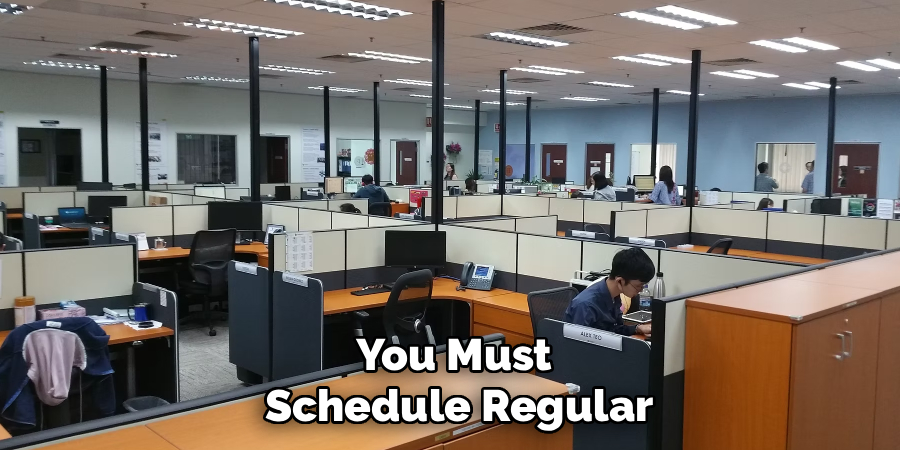
A cluttered desk leads to a cluttered mind. Maintaining an organized workspace is a simple but highly effective way to build office discipline. At the end of each day, take five minutes to clear your desk of unnecessary papers, coffee cups, and office supplies. Organize your digital files into clear folders so you can find what you need without frustration. A clean environment reduces visual distractions and creates a sense of calm order. When you sit down at a tidy workspace every morning, you immediately feel more professional, focused, and ready to tackle your responsibilities.
Step 8: Practice Effective Communication
Discipline extends to how you interact with your colleagues. Poor communication causes misunderstandings, wasted time, and unnecessary stress. Build the habit of being clear, concise, and timely in your messages. Before scheduling a meeting, ask yourself if an email could resolve the issue instead. When you do send an email, put the most important information right at the top. Respond to your colleagues within a reasonable, established timeframe. Disciplined communication keeps projects moving smoothly, respects everyone’s time, and fosters a collaborative environment where high performance becomes the standard.

Step 9: Review and Reflect Daily
You cannot improve what you do not measure. A critical step in building discipline is taking time to evaluate your progress. Spend the last ten minutes of your workday reviewing what you accomplished. Acknowledge your successes and identify areas where your focus slipped. Ask yourself why certain distractions got the better of you and how you can avoid them tomorrow. This daily reflection keeps you honest with yourself. It allows you to adjust your strategies and continuously refine your habits, ensuring your office discipline grows stronger and more resilient day by day.
Step 10: Cultivate Accountability
Building discipline is much easier when you do not do it alone. Find ways to hold yourself accountable for your commitments. Share your primary goals with your manager or a trusted colleague. Set up weekly check-ins to discuss your progress and challenges. If you prefer a solo approach, use habit-tracking apps to visualize your consistency. When you know someone else expects you to deliver, or when you can see a visual streak of your successes, you are much less likely to slack off. Accountability turns your private intentions into concrete actions.
5 Things You Should Avoid
- Multitasking: Trying to do three things at once guarantees you will do all of them poorly. Focus on one task at a time.
- Perfectionism: obsessing over minor details delays progress. Aim for excellence, but know when a task is finished.
- Skipping Meals and Rest: Sacrificing your physical needs ruins your mental focus and destroys your discipline.
- Saying Yes to Everything: Taking on too many commitments dilutes your attention and prevents you from doing your core job well.
- Relying Solely on Motivation: Motivation fades quickly; rely on your established systems and routines instead.
Frequently Asked Questions
- How Long Does It Take to Build Office Discipline?
Building strong office discipline usually takes a few weeks of consistent effort.
Your brain needs time to wire new habits and make them feel natural.
Do not get discouraged if the first few days feel difficult or uncomfortable.
Focus on small daily improvements rather than immediate perfection.
Over time, these structured behaviors will become your default way of working. - What Should I Do if I Break My Routine?
Do not let a single mistake derail your entire progress.
Forgive yourself immediately and analyze what caused the disruption.
Adjust your environment or schedule to prevent that specific trigger from happening again.
Jump right back into your routine with the very next task on your list.
Consistency matters more than perfection over the long term. - Can Office Discipline Help With Remote Work?
Discipline is actually more important when working from home than in an office.
Without the physical structure of a workplace, you must create your own boundaries.
Setting strict start and end times prevents work from bleeding into your personal life.
Dedicated workspaces at home help signal to your brain that it is time to focus.
Maintaining these habits ensures you stay productive without a manager watching over you.
Conclusion
How to build office discipline is an ongoing practice rather than a one-time achievement.
By setting clear goals, managing your time, and removing distractions, you create a framework for sustained success. You will undoubtedly face challenging days where your focus slips, but a disciplined foundation allows you to bounce back quickly. Start implementing these ten steps today, one at a time.
As these behaviors turn into habits, you will notice a profound shift in your productivity, your stress levels, and your overall satisfaction with your work.
