

A recliner should feel relaxing, not unstable. When it slides every time you sit down, lean back, or stand up, it can scratch your floor, damage the chair, and create a safety risk. The good news is that learning how to keep recliner from sliding on hardwood floors is simple, even if you have never handled furniture fixes before.
Hardwood floors are smooth, which makes them beautiful but also slippery under heavy furniture. Recliners can move because of slick feet, uneven weight, worn pads, or strong reclining motion. With the right materials and a few careful adjustments, you can keep your chair in place without harming the wood.

Why Learning Matters
A sliding recliner can leave scratches, dents, and worn spots on hardwood. Over time, even small movements can damage the finish and make the floor look dull. It can also make the chair feel unsafe, especially for older adults, children, or anyone with limited balance.
Keeping the recliner stable improves comfort and protects your investment. It helps the chair stay aligned with side tables, rugs, lamps, and entertainment setups. It also reduces noise and prevents sudden movement when you recline. A secure recliner makes your room feel safer, cleaner, and better organized.
Step-By-Step Guide To How To Keep Recliner From Sliding On Hardwood Floors
Step 1: Check The Recliner Feet
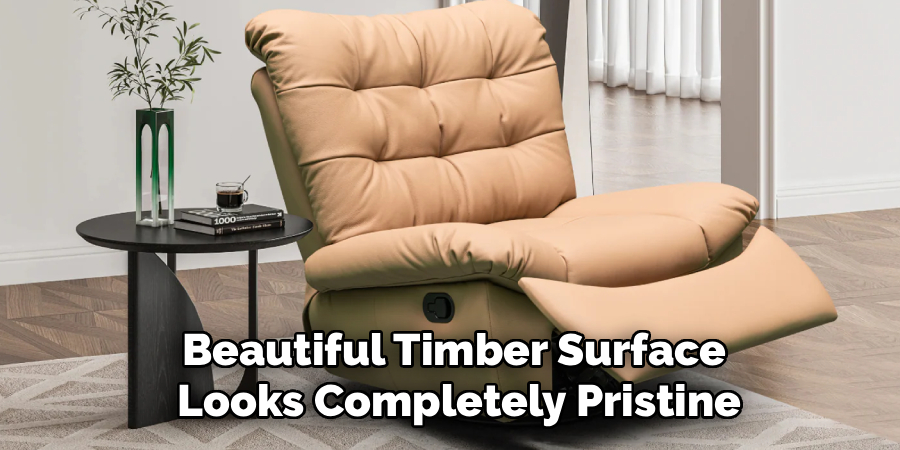
Start by looking at the bottom of the recliner. Most sliding problems begin where the chair meets the floor. Some recliners have plastic glides, metal bases, small wooden feet, or narrow contact points that do not grip smooth hardwood well.
Ask someone to help you tilt the recliner back safely. Look for dirt, worn pads, loose screws, cracked feet, or uneven parts. If one side sits higher than the other, the chair may shift when weight changes.
Clean the feet with a dry cloth first. If they feel greasy or dusty, use a mild cleaner and let them dry fully before adding any grip product.
Step 2: Clean The Hardwood Surface
Even the best grip pads will not work well on a dirty floor. Dust, pet hair, polish, wax, and oil can create a slick layer between the recliner and the hardwood. This makes the chair slide even when the feet look fine.
Move the recliner away from the area and sweep or vacuum the floor. Then wipe the spot with a hardwood-safe cleaner. Avoid soaking the wood, because too much moisture can damage the finish.
Let the floor dry completely before putting the recliner back. A clean, dry surface gives pads, cups, and grippers a much better chance to hold.
Step 3: Add Non-Slip Furniture Pads
Non-slip furniture pads are one of the easiest fixes. They attach to the bottom of the recliner feet and create friction against the hardwood. Rubber and silicone pads usually grip better than felt pads, which are made more for sliding than stopping movement.
Choose pads that match the size and shape of the recliner feet. If the pads are too small, they may peel off or fail to hold the chair steady. If they are too thick, they may make the recliner feel uneven.
Press each pad firmly in place. Give adhesive pads time to bond before using the chair.
Step 4: Use Rubber Furniture Cups
Rubber furniture cups sit under the recliner feet instead of sticking to them. They are helpful when adhesive pads do not stay attached or when the recliner has unusual feet. The cup shape helps hold each foot in place while the rubber bottom grips the floor.
Measure the width of each foot before buying cups. A cup that is too large can let the chair move inside it. A cup that is too small may not fit securely.
Place the cups exactly where the feet land. Then lower the recliner carefully so each foot sits flat inside its cup.
Step 5: Place A Rug Under The Chair
A rug can reduce sliding and add style at the same time. It creates a softer surface between the recliner and the hardwood, which helps control movement. This works especially well for larger recliners that shift during reclining.
Choose a rug that is large enough to fit under the entire chair, even when the footrest is open. If only the front or back feet sit on the rug, the recliner may still move.
Use a non-slip rug pad underneath. Without one, the rug itself may slide, which simply moves the problem from the chair to the floor.
Step 6: Try A Recliner-Specific Grip Mat

Some grip mats are made for chairs that move under body weight. These mats are thinner than regular rugs and are designed to stay hidden under furniture. They work well if you want protection without changing the look of the room.
Pick a mat that is safe for hardwood floors. Some low-quality rubber products can react with floor finishes and leave marks. Look for materials labeled as non-staining or hardwood-safe.
Place the mat under the recliner base or feet. Make sure it lies flat with no curled edges. A flat mat gives better grip and lowers the chance of tripping.
Step 7: Adjust The Chair Position
Sometimes a recliner slides because of how it is positioned. If the chair sits on a slight slope, near a wall, or at an angle to the floorboards, normal movement can push it out of place. A small adjustment may make a big difference.
Move the recliner a few inches and test it. Sit down, recline, close the footrest, and stand up. Watch which direction the chair moves.
If the recliner is too close to a wall, the back may hit the wall and force the chair forward. Leave enough clearance for the reclining motion to work smoothly.
Step 8: Combine Methods For Better Hold

If one method does not fully stop the movement, combine two solutions. For example, you can use rubber cups with a hardwood-safe rug pad, or non-slip pads with a grip mat. Heavier recliners often need more than one layer of support.
Test each change before adding another product. This helps you understand what actually works for your chair and floor. It also prevents the setup from becoming bulky or uneven.
Check the solution every few weeks. Pads can wear down, cups can shift, and dust can collect. Regular checks keep the recliner stable for the long term.
Frequently Asked Questions
Can Rubber Pads Damage Hardwood Floors?
Rubber pads can be safe, but you need to choose the right type. Some cheap rubber products may stain or react with certain hardwood finishes over time. Look for pads labeled as safe for hardwood or non-marking. It is also smart to lift the recliner and check the floor every few weeks. If you see discoloration, remove the pads and try silicone or felt-backed grip products instead.
Are Felt Pads Good For Stopping A Recliner From Sliding?
Felt pads are usually better for moving furniture than holding it still. They protect hardwood from scratches, but they often reduce friction, which can make a recliner slide more easily. If you want stability, rubber, silicone, or non-slip composite pads are usually better choices. Felt may still work when paired with a rug, but it is not the strongest option for a chair that moves often.
What Size Rug Should Go Under A Recliner?
The rug should be large enough to support the recliner in both closed and open positions. Measure the chair from the back to the extended footrest, then add extra space around the sides. A rug that is too small can bunch up or let part of the chair rest on bare hardwood. For best results, place a non-slip rug pad under the rug so the whole setup stays secure.
Why Does My Recliner Move When I Close The Footrest?
Closing the footrest creates force through the frame of the chair. On a smooth hardwood floor, that force can push the recliner backward or sideways. This is common with lightweight recliners or models with narrow feet. Adding grip under the feet usually helps. You should also make sure the chair has enough wall clearance, because contact with a wall can push it out of position.
How Often Should I Replace Non-Slip Pads?

Replace non-slip pads when they become flat, dirty, cracked, or loose. In a busy living room, this may happen every few months. In a lightly used space, they may last much longer. Clean the floor and the bottom of the chair before installing new pads. Fresh pads grip better and help prevent scratches caused by trapped grit or worn adhesive.
Conclusion
A sliding recliner is annoying, but it is usually easy to fix. Start by checking the chair feet, cleaning the floor, and adding a simple grip solution. If the chair still moves, try rubber cups, a rug with a non-slip pad, or a hardwood-safe grip mat. Small changes can protect your floor, improve safety, and make your recliner feel more comfortable.
The best method depends on your recliner style, floor finish, and room layout. Take a few minutes to test your setup and choose the option that feels secure. Once you know how to keep recliner from sliding on hardwood floors, you can relax without worrying about scratches, shifting, or sudden movement.
