

Choosing an office is a major decision for any business, whether you are hiring your first employee, moving out of a home office, or opening a new location. If you are learning how to find office space, the process can feel confusing at first because there are many details to compare, from rent and layout to lease terms and future growth.
The right office can support focus, teamwork, client trust, and daily operations. The wrong one can create high costs, awkward workflows, long commutes, and limits on your company’s growth.
This guide breaks the process into simple steps so you can make a confident choice. You will learn how to define your needs, set a realistic budget, compare locations, review lease details, tour spaces, and choose an office that fits both your current team and your future plans.
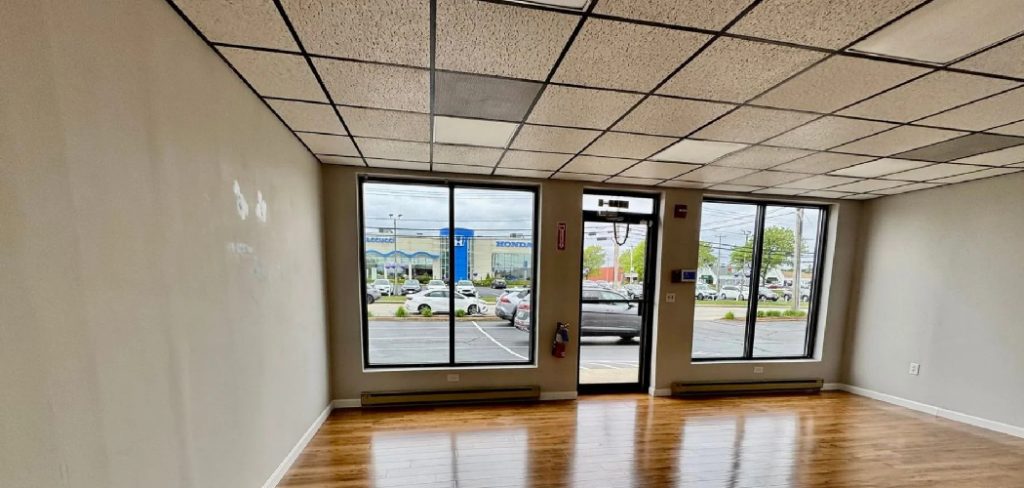
Why Finding The Right Office Space Matters
The right office space can improve productivity, team morale, and how customers view your business. A clean, practical, well-located office makes daily work easier and helps your team feel more organized and professional.
It also protects your budget. Office costs often include more than monthly rent, so choosing carefully can prevent surprise expenses. A good space should fit your workflow, support your staff, and leave room for the business to grow.
Location matters too. Easy access for employees, clients, deliveries, and partners can save time and reduce stress. When your office supports your business goals instead of working against them, it becomes more than a place to work. It becomes a tool for growth.
Step-By-Step Guide To Finding The Right Office Space
Step 1: Define Your Business Needs
Start by getting clear on what your business actually needs before looking at listings. Think about your team size, work style, client visits, storage needs, meeting rooms, privacy, parking, and daily operations.
A small creative team may need open space and collaboration areas. A law firm may need private offices, a reception area, and sound control. A growing sales team may need flexible desks and strong internet.
The best way to approach how to find office space is to separate needs from wants. Needs are things your business cannot function without. Wants are nice features that improve comfort but are not essential. This keeps your search focused.
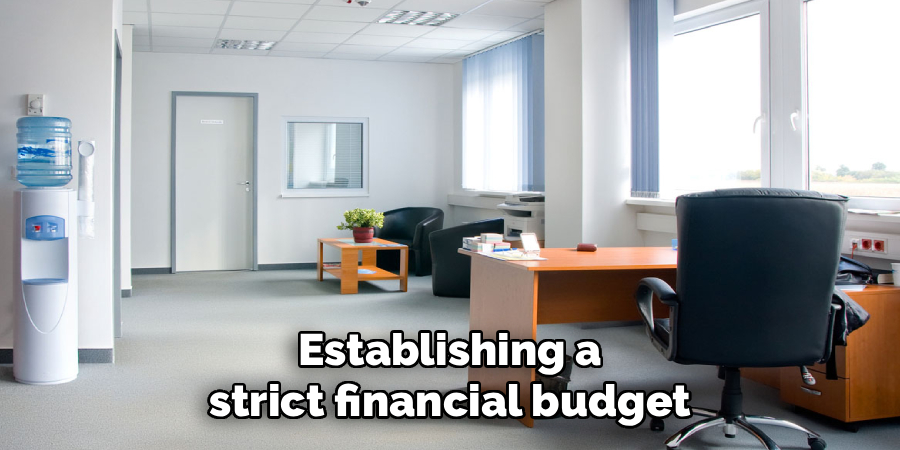
Step 2: Set A Realistic Budget
Your office budget should include more than base rent. Many beginners focus only on the monthly lease price, but the true cost may include utilities, internet, furniture, cleaning, insurance, parking, maintenance fees, taxes, security deposits, and moving expenses.
Decide what your business can afford each month without straining cash flow. A beautiful office can become a problem if it limits hiring, marketing, inventory, or other key expenses.
It is wise to leave a cushion for unexpected costs. Ask landlords or brokers what is included in the rent and what costs are separate. A realistic budget helps you compare spaces fairly and avoid surprises after signing.
Step 3: Choose The Best Location
Location affects your employees, customers, vendors, and brand image. Start by thinking about who needs to reach your office most often. If clients visit regularly, choose a place that is easy to find, has parking, and feels professional.
For employees, consider commute times, public transportation, nearby food options, safety, and convenience. A cheaper office far from your team may cost more in lost time and lower morale.
Also think about your business type. A consulting firm may benefit from a central business district. A design studio may prefer a creative neighborhood. A service company may need fast access to highways. The best location supports your daily work.
Step 4: Compare Layouts And Workflows
A good office layout should match how your team works. Do not judge a space only by square footage. Two offices with the same size can feel very different depending on shape, walls, windows, storage, and common areas.
Walk through the space in your mind. Where will people sit? Where will meetings happen? Is there room for private calls? Can team members move easily without crowding each other?
Open layouts can support collaboration, but they may also create noise. Private offices offer focus, but they can reduce flexibility. Look for a layout that supports your current workflow and can adapt as your business changes.

Step 5: Understand Lease Terms
Lease terms can have a major effect on your business, so read them carefully before agreeing to anything. Pay attention to lease length, renewal options, rent increases, security deposits, maintenance duties, early termination rules, and restrictions on changes to the space.
A long lease may offer stability, but it can be risky if your company is growing quickly or your future needs are uncertain. A shorter lease gives flexibility, but it may cost more or offer less security.
If possible, have a real estate attorney or experienced broker review the lease. Clear terms help you avoid conflicts and protect your business from costly mistakes.
Step 6: Check Amenities And Building Services
Amenities can make an office more useful and comfortable. Look for reliable internet options, heating and cooling, restrooms, elevators, reception areas, conference rooms, kitchen space, mail handling, security, cleaning, and maintenance support.
Some buildings include shared meeting rooms, fitness centers, bike storage, or onsite parking. These features may save money if they reduce the need for extra services elsewhere.
Also check building management. A responsive landlord or property manager can make a big difference when something breaks or needs attention. When comparing offices, look beyond the room itself. The building, services, and support can affect your team every day.
Step 7: Tour Spaces With A Checklist
Touring offices in person helps you notice details that photos do not show. Pay attention to noise, lighting, temperature, odors, cleanliness, hallway traffic, elevator wait times, and the condition of shared areas.
Visit at different times if possible. A building that seems quiet in the morning may feel busy or loud later in the day. Check phone service, internet options, outlets, parking access, and nearby streets.
At this stage, how to find office space becomes less about browsing and more about comparing real options. Take notes right after each tour so the details do not blend together. Clear records make your final choice easier.
Step 8: Plan For Future Growth
Choose an office that fits your current needs but does not limit your future. Think about whether you may hire more people, add new services, need more storage, host more clients, or change your workflow in the next one to three years.
You do not always need a large space right away. Sometimes the smarter choice is a flexible lease, shared office, or building with room to expand. Ask whether nearby suites may become available or if the landlord offers upgrade options.
Planning for growth helps you avoid moving again too soon. A good office should support where your business is now and where it is headed.
Frequently Asked Questions
How Much Office Space Do I Need Per Employee?
A common starting point is 100 to 200 square feet per employee, but the right amount depends on your work style. Open offices may need less space per person, while private offices, meeting rooms, storage, and reception areas require more. Think about comfort, movement, noise, and future hiring before choosing a size.
Is It Better To Lease Or Use A Coworking Space?

Coworking can be a smart choice for startups, freelancers, remote teams, or companies that need flexibility. It often includes furniture, internet, meeting rooms, and short-term options. A traditional lease may be better when you need privacy, branding, custom layout, or long-term stability. The best choice depends on budget, team size, and growth plans.
What Should I Ask During An Office Tour?
Ask what is included in the rent, who handles maintenance, how utilities are billed, and whether rent increases are expected. You should also ask about parking, internet providers, building access, security, signage, cleaning, and lease flexibility. These questions help you understand the real cost and daily experience of using the space.
How Far In Advance Should I Start Looking?
Most businesses should start looking at least three to six months before they need to move. Smaller teams may need less time, while larger companies or businesses needing build-outs may need more. Starting early gives you time to compare options, negotiate terms, review leases, plan the move, and avoid rushed decisions.
Can I Negotiate Office Lease Terms?
Yes, many office lease terms can be negotiated. You may be able to discuss rent, lease length, renewal options, free rent periods, improvement allowances, parking, or maintenance responsibilities. Your success depends on the market, the landlord, and the demand for the space. A broker or attorney can help you understand what is reasonable.
Conclusion
Finding the right office takes planning, patience, and a clear understanding of your business needs. Start by defining what your team requires, then set a budget, choose a strong location, compare layouts, review lease terms, check amenities, tour carefully, and plan for growth.
Do not rush the decision just because a space looks attractive. The best office should support your work, fit your budget, and give your business room to succeed. When you understand how to find office space, you can make a smarter choice and create a workplace that helps your company move forward.

About
Alexis Kerr is a distinguished figure in the world of professional workspace optimization, with a decade of expertise creating innovative and ergonomic office environments. Her professional focus lies in merging organizational psychology with modern spatial design, fostering office setups that are both high-performing and employee-centric. As the lead author for Deskvity, Alexis Kerr delves into the art and science of corporate aesthetics and functionality, inspiring office managers and remote professionals alike.
Education Cornell University
(Ithaca, New York) Bachelor of Science in Design and Environmental Analysis Focus on human factors, workplace strategy, and sustainable interior environments. Gained extensive experience in how physical space influences productivity and mental clarity.
Savannah College of Art and Design (SCAD)
(Savannah, Georgia) Master of Fine Arts in Interior Design Specialized in commercial workspace solutions with a focus on blending digital integration with physical comfort. Participated in high-level industry projects to refine the balance between corporate branding and architectural utility.
Publications and Impact
In Deskvity, Alexis Kerr shares her insights on modern workspace trends, acoustic management, and strategies for efficient layout planning. Her writing bridges the gap between high-level architectural theory and practical day-to-day office needs, making it a must-read for both facility directors and individual professionals looking to elevate their work environment.
1 thought on “How to Find Office Space”