

Anyone who’s ever had to scrutinize a business’s books knows that utilities almost always make a surprise appearance on the “major expenses” list. Yet, oddly enough, most offices resign themselves to ballooning energy bills as if there’s no other way. The real trouble, it seems, lies in not seeing the sheer volume of electricity quietly slipping away day after day—money disappearing into thin air, quite literally. The truth is that a good chunk of this waste is avoidable, and if you can spot where it’s happening, the results—in both savings and sustainability—can be surprisingly significant.
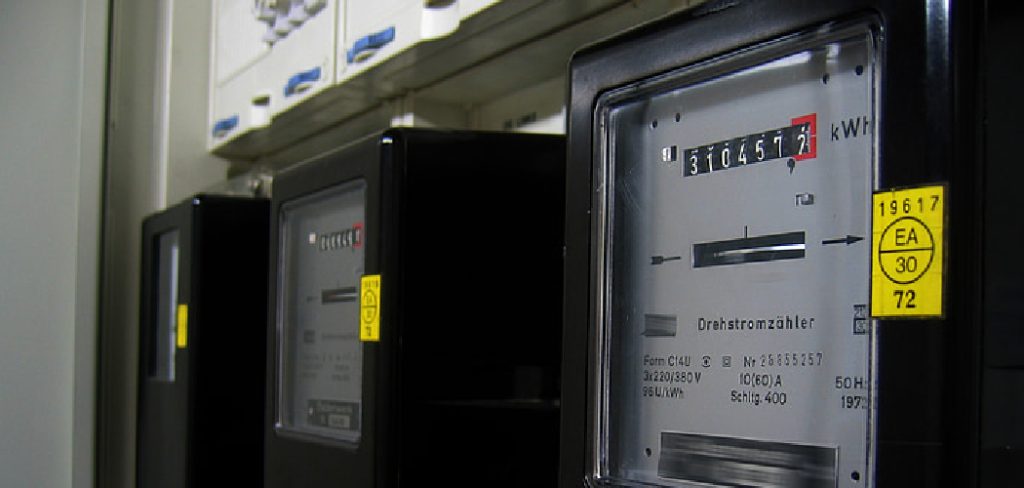
You might expect that slashing electricity use requires drastic changes or a pricey renovation. It rarely does. The most effective shifts are usually subtle: small tweaks to daily habits or perhaps the careful adoption of a few sensible upgrades. In what follows, I lay out a series of pragmatic steps on how to save electricity in office meant to help your office gradually dial down its energy use. There’s nothing glamorous here—just practical advice with real potential to cut costs, reduce waste, and possibly even foster a more mindful workplace culture.
Why Worry About Office Electricity Use?
It’s tempting to frame this issue as a numbers game—trim the bill, please, management. But that’s just the surface. Lowering office power usage can ripple outward in complicated ways. For instance, every kilowatt-hour saved ultimately means less pressure on local grids and a lighter load on the planet. On a global scale, commercial buildings are, by any measure, heavy energy users. Small shifts scattered across many organizations may, at least theoretically, accumulate into genuine environmental gains.
That’s one side of it. It’s also true that businesses viewed as eco-conscious sometimes find themselves with a reputational edge. Employees talk about working for a company that actually tries. Investors and clients—some, at least—appreciate a clear sense of accountability. No, going green isn’t a cure-all for branding or for office morale, but it doesn’t hurt. In the real world, of course, those “corporate responsibility” metrics can be slippery or even superficial, but consistency matters. At the very least, saving electricity probably won’t hurt your standing—and your bottom line may benefit as well.
Where Is The Power Going?
The hunt for wasted electricity usually starts in expected places, but don’t assume the obvious covers everything. There’s the classic culprit: office HVAC systems, which often run on full blast even when only a handful of people are in the building, or muddle along, clogged by ignored maintenance needs. Heating and cooling in offices isn’t just a comfort consideration—it’s a major drain if left unchecked.
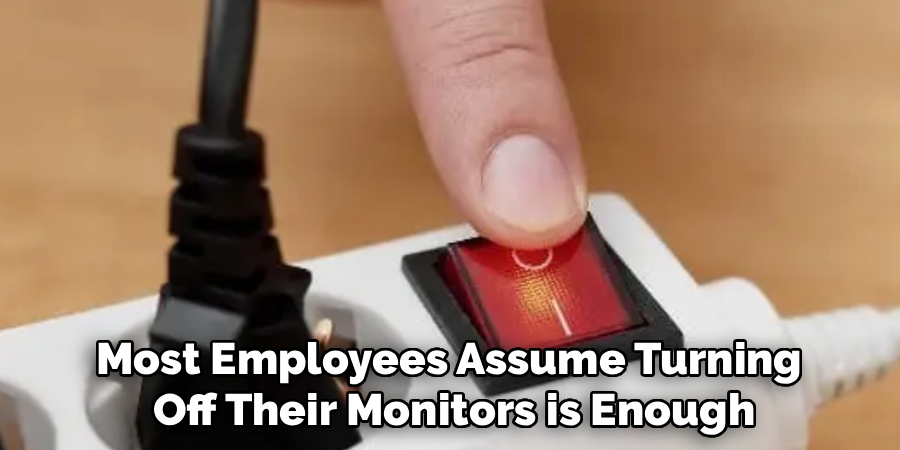
You’ll also find energy “leaks” in devices that quietly draw power day and night. Think of printers, monitors, or that untouched fridge humming away in the staff kitchen. Most employees assume turning off their monitors is enough, not realizing that many gadgets sip electricity purely by virtue of being plugged in—a phenomenon awkwardly known as “phantom load.” Then there’s lighting. Leaving overheads blazing in empty rooms or sticking with those cheap, aging bulbs comes at a cost, whether anyone notices it on a busy afternoon or not.
7 Step-by-step Guidelines on How to Save Electricity in Office
Step 1: Start With An Energy Audit
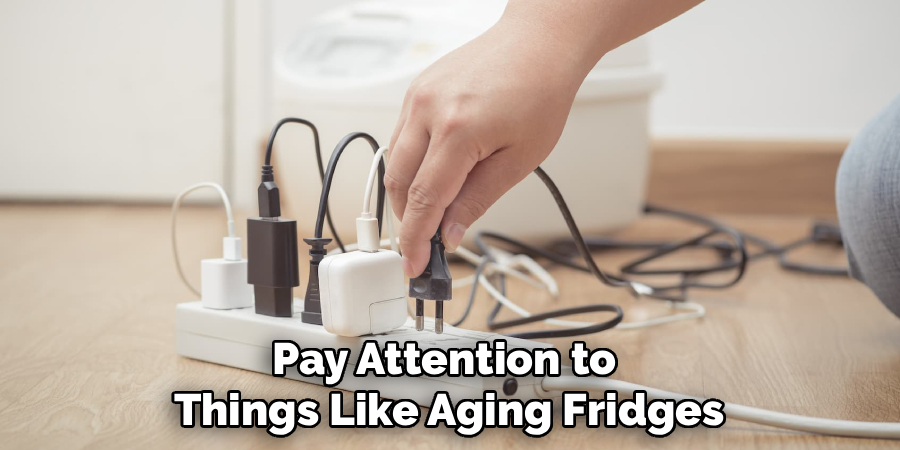
Let’s be honest—guesswork won’t cut it here. The first step is to actually measure. A professional auditor might comb through every corner of your facility, but you can also go the DIY route: walk through the office with your utility bills in hand, make notes, and check which devices or setups are probably responsible for the biggest spikes. Pay attention to things like aging fridges, persistent window drafts, and machines left idling well after hours.
This exercise isn’t just about data collection. The numbers you gather will anchor your plan going forward and help you focus on what’s both practical and cost-effective. Set targets that feel neither pie-in-the-sky nor meaningless. Clear documentation also makes it easier to advocate for future upgrades if you need to make the business case.
Step 2: Reconsider Lighting
Lighting can be a surprisingly stubborn expense. It’s an area where rapid progress is possible, but inertia and bad habits linger. Begin with the bulbs: swap out anything not marked LED. Generically, “efficient” might sound good, but LED fixtures use considerably less energy and last years longer than their outdated counterparts.
Don’t stop there. If meeting rooms and supply closets seem to glow around the clock, consider installing basic occupancy or motion sensors. There’s no need to pay for lighting spaces no one’s using. These devices don’t cost much, but they will save you the headache of constant reminders and wasted electricity.
Step 3: Stop Phantom Draw With Smart Strips
It’s strange how much energy goes into keeping “off” devices semi-alive. Laptops, printers, and random chargers draw a trickle of current all night (and all weekend) when you aren’t paying attention. Relying on everyone to unplug every cord is unrealistic.
This is where smart power strips can make a difference. These tools automatically sense when a central device powers down and then cut electricity to anything else on the same strip—say, the monitor, speaker, and desktop printer at a workstation. Once set up, nobody has to remember to do anything differently.
Step 4: Tame Heating and Cooling
If there’s a single area likely to offer quick wins, it’s temperature control. Programmable thermostats are cheap insurance: they dial down heating or cooling after hours, then bring things back before anyone arrives. Set and forget—or at least check settings periodically, since office schedules and usage obviously shift.
Of course, technology only gets you so far. Filters ignored for months force your HVAC system to work overtime, and blocked vents restrict airflow. Move the cabinets, check the vents, and add “change the filter” to someone’s actual job list.
Step 5: Use What Nature Gives You
The office doesn’t need to mimic a cave. Encourage daylight—open blinds, rearrange furniture, and even experiment with removing unnecessary obstacles in front of windows. It’s basic, but lots of offices squint under artificial lights while wasting ample sunlight.
On good-weather days, crack a window. Let cross-breezes help with cooling rather than reflexively cranking up the AC. Even a few-degree change on the thermostat can help, especially if you experiment with fans and allow for flexible comfort levels, rather than just keeping things at the default year-round.
Step 6: Replace Outdated Equipment
Old gear is rarely efficient. You don’t need to throw out everything overnight, but making energy usage a key factor in new purchases is simple and scalable. An Energy Star sticker is a helpful shorthand—it signals that computers, printers, and appliances are likely to consume less without extra effort on your part.
Desktops guzzle more power than laptops. Use computers that go to sleep after short breaks instead of humming along at max output all afternoon. Consider replacing equipment on a rolling basis, as budgets allow and as the oldest machines struggle to keep up.

Step 7: Don’t Forget The Human Element
None of these changes matter if employees shrug them off. Few things stall progress like a team that never got the memo—or worse, resents the new routine. Talk about why these efforts matter. Go beyond hand-waving; try a short working session on how everyone’s behavior can help, from adjusting a single setting to remembering to turn things off.
Follow-up helps. Maybe an occasional email with energy-use updates or a small competition between teams to see who can make the biggest reductions. In most cases, a bit of feedback and credit for participation will keep awareness fresh long after the stickers on the light switches start to fade.
Following these steps on how to save electricity in office can not only help reduce costs for the company, but also create a more sustainable and environmentally-friendly workplace. This can improve employee morale and motivation, as well as attract eco-conscious clients or customers.
Common Mistakes That Waste Electricity
It’s easy to fall for well-meaning myths. Screensavers do not save energy; they may, in fact, do the opposite. Setting the thermostat way up or down won’t heat or cool a space faster—it’ll just force your system to work longer and use more energy. Many buildings lose enormous amounts of conditioned air to leaky doors and windows, a fact that rarely gets addressed until discomfort becomes an issue.
Then there’s the odd habit of keeping all the exterior lighting or company signs burning through the night. It’s worth questioning what this achieves beyond swelling the bill at month’s end.
What Does Energy Efficiency Actually Save?
You’re likely after proof that these shifts pay off. A lower electricity bill appears first—and that alone can free up resources for projects you actually care about. If you persist month after month, those savings add up. Swapping out old machines?
You might qualify for rebates or tax breaks in some regions, but be sure to check the details—they vary widely—or consult your utility provider. More energy-efficient hardware also means fewer breakdowns and a longer stint before replacement becomes urgent.
Steps Toward A More Sustainable Office
Cutting back on electricity is only a single piece—albeit an important one—of building a genuinely sustainable workplace. Electronic signing and cloud systems make paper almost obsolete, saving you not just money but time lost searching through old files.
A well-placed recycling bin (and yes, clear signage) in the breakroom diverts plenty of waste from the landfill. If your team is open to it, add a plant or two: they’re cheap, require little oversight, and do more for air quality and morale than most gadgets. When ordering supplies, a preference for recycled materials is a subtle but cumulative step in the right direction.
Frequently Asked Questions
Q1: What Kind Of Savings Should We Expect From LED Lighting?
Switching entirely to LEDs can, by some estimates, reduce lighting expenses by up to three-quarters compared to those old bulbs. There’s an added bonus: LEDs emit less heat, meaning the AC works a little less in the summer. Over a few years, the up-front cost is paid back—not just from energy savings, but because there’s less scrambling to replace burnt-out bulbs.
Q2: Does It Really Matter If We Unplug Devices At Night?
It does—though it might not seem like it at first glance. Phantom power is sneaky; over time, it can account for roughly one-tenth of your building’s power draw. Unplugging a single charger might not move the needle. Multiply that habit, though, by dozens of gadgets, and the impact grows. Setting up smart power strips means you don’t need to rely on memory or goodwill.
Q3: Any Advice On The Right Thermostat Setting?
Somewhere around 68 to 70 degrees Fahrenheit in the winter usually keeps people happy (and your bills lower), while 76 to 78 degrees is recommended for the summer. If in doubt, even a small adjustment—a single degree—can cut HVAC consumption by a measurable amount. Whenever possible, tie this in with programmable thermostats that dial down temperatures after hours.
Securing a Greener (and Cheaper) Future
It’s easy to treat office energy bills as a fixed reality, but that assumption doesn’t really hold up under scrutiny. If you’re willing to pay attention to the details, make a handful of small changes, and occasionally check in with your team, there’s no compelling reason to accept needless waste. The process likely won’t disrupt work or require heroics from anyone—in most cases, it’s about aligning the basics: up-to-date equipment and a workplace culture that doesn’t default to “leave it running.”
Start with whatever’s manageable—maybe the lighting, maybe those power strips gathering dust in the supply closet—and keep going from there. You don’t have to overhaul everything at once. Over time, with some persistence, your office will become both greener and more efficient, proving—quietly, but undeniably—that cutting costs and shrinking your environmental impact can go hand in hand. Thanks for reading this guide on how to save electricity in office.
