

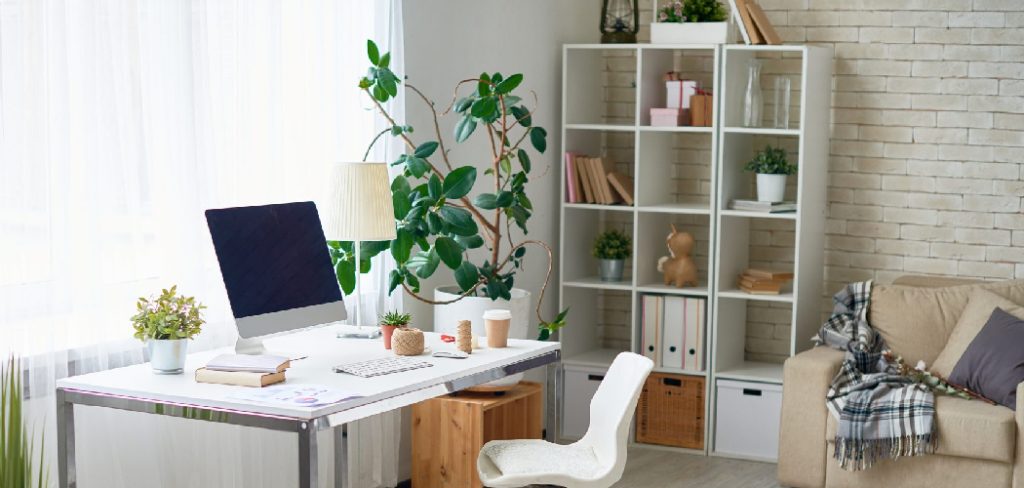
Working from home presents incredible flexibility, but it also introduces unique challenges for parents trying to maintain professional focus. When you combine important conference calls with energetic toddlers, the resulting environment often feels chaotic and stressful. Many remote professionals struggle to separate their career responsibilities from their caregiving duties when everyone shares the same floor plan. Learning how to set child corner in office provides an immediate and practical solution to this modern dilemma.
We understand that balancing a career while keeping your children entertained requires strategic planning and smart interior design. You do not need a massive corporate budget or professional architectural experience to carve out a functional sanctuary for your little ones. By designating a specific zone just for them, you protect your productivity while keeping your family close and safe. We will walk you through the fundamental strategies needed to transform any standard workspace into a harmonious dual-purpose environment.
Why Create A Dedicated Kids Space
Establishing a physical boundary between your professional equipment and your family activities drastically improves your daily workflow. Without a dedicated zone, toys inevitably migrate across the room, creating hazardous clutter around your desk and rolling chair. This disorganized environment subconsciously increases your stress levels and makes focusing on complex tasks incredibly difficult. A carefully planned kids area contains the chaos, keeping your primary work surface clean and ready for deep concentration.
Step-By-Step Guide To How to Set Child Corner in Office
Step 1: Evaluate Your Available Floor Plan
Before purchasing any furniture or storage bins, you must thoroughly measure the available square footage in your room. Look for an unused corner that sits comfortably away from your main computer cables, power outlets, and heavy filing cabinets. You want a spot that feels somewhat tucked away but remains entirely visible from your main seating position.
Consider the natural traffic flow of the room to ensure the play area does not block the main doorway. You also need to verify that pulling out your office chair will not accidentally bump into their designated zone. Choose earthy, botanical colors like deep moss green or warm terracotta to perfectly match your surrounding indoor houseplants and gardening aesthetic. Taking accurate measurements right now prevents you from buying oversized items that make the room feel cramped and uncomfortable.
Step 2: Understanding Corner In Office Safely
Safety must remain your absolute top priority when introducing young children to an environment filled with technology and heavy furniture. You must systematically evaluate the entire room from their eye level to identify potential hazards like dangling cords or sharp edges. Install secure cord covers over any exposed wires and place childproof covers on all accessible electrical outlets immediately.
Anchor any tall bookshelves or heavy filing cabinets securely to the wall studs to prevent accidental tipping. Keep items like scissors, paper clips, hot coffee, and important documents elevated well out of their physical reach. Creating a genuinely secure environment ensures you can actually focus on your job rather than constantly worrying about accidents.
Step 3: Select Ergonomic And Sized Furniture
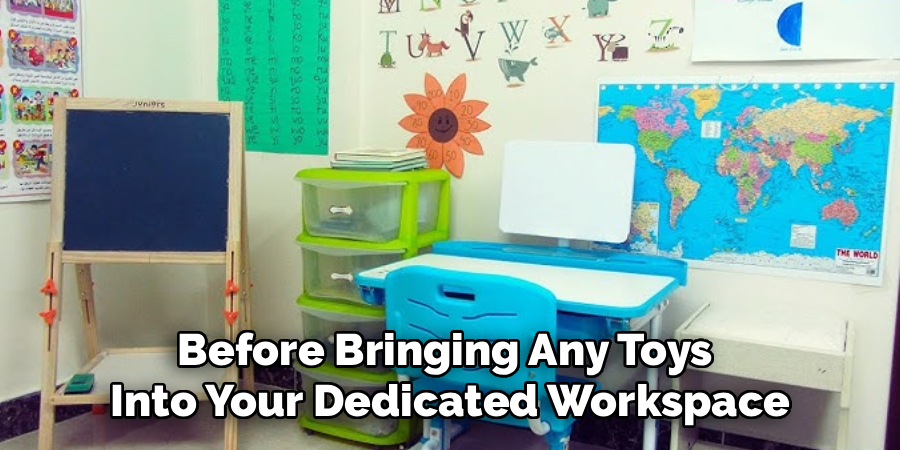
Children engage in activities much longer when they feel physically comfortable and supported by their surrounding environment. Invest in a small, sturdy table and a proportionate chair that allows their feet to rest flat on the floor. Avoid placing them at a standard adult desk, as the improper height causes physical strain and quickly leads to restless behavior.
Look for furniture crafted from durable, easily washable materials like sealed wood or high-quality thick plastic. Your kids will inevitably spill drinks, drop markers, and smear glue across these surfaces during their daily activities. Choosing wipeable materials saves you significant cleaning time and keeps the professional aesthetic of your room intact.
Step 4: Organize Engaging Independent Activities
The success of your shared workspace relies heavily on providing activities that require minimal adult supervision or intervention. Stock the area with open-ended toys like wooden building blocks, magnetic tiles, and chunky puzzles that encourage prolonged concentration. Avoid electronic toys that make loud, repetitive noises, as these will quickly disrupt your professional phone calls.
Rotate these activities every few weeks to prevent boredom and maintain their enthusiastic interest in the designated space. Keep a special box of “work-only” toys that they can only access when you are busy at your desk. This strategy makes the toys feel novel and exciting, buying you extended periods of quiet time for important tasks.
Step 5: Mastering With Smart Storage
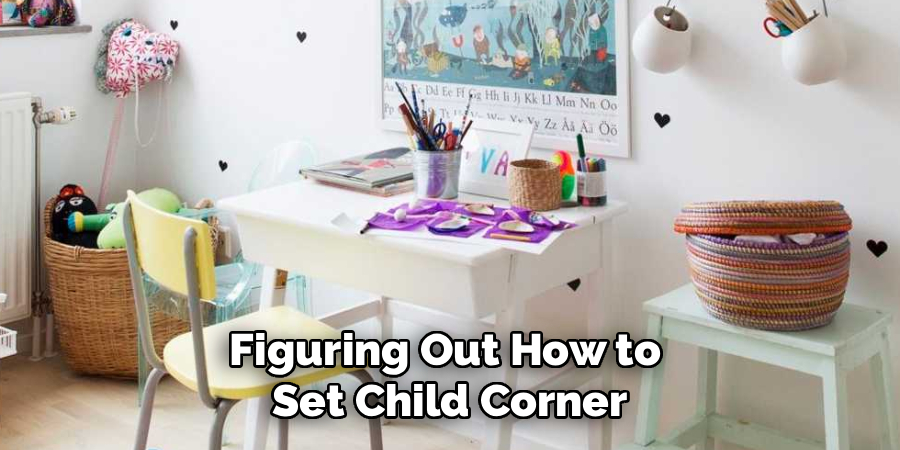
Proper storage solutions bridge the gap between a messy playroom and a highly functional professional environment. Utilize low, open shelving units that allow your kids to see and access their materials without asking for your help. Slide fabric storage bins or clear plastic containers onto the shelves to instantly hide brightly colored toys from your webcam background.
Labeling these containers with simple pictures empowers younger children to clean up after themselves when playtime ends. When everything has a specific home, the cleanup process takes only a few minutes at the end of the day. Effective storage ensures your room easily transitions back into a standard adult workspace whenever you need it.
Step 6: Implement Proper Task Lighting
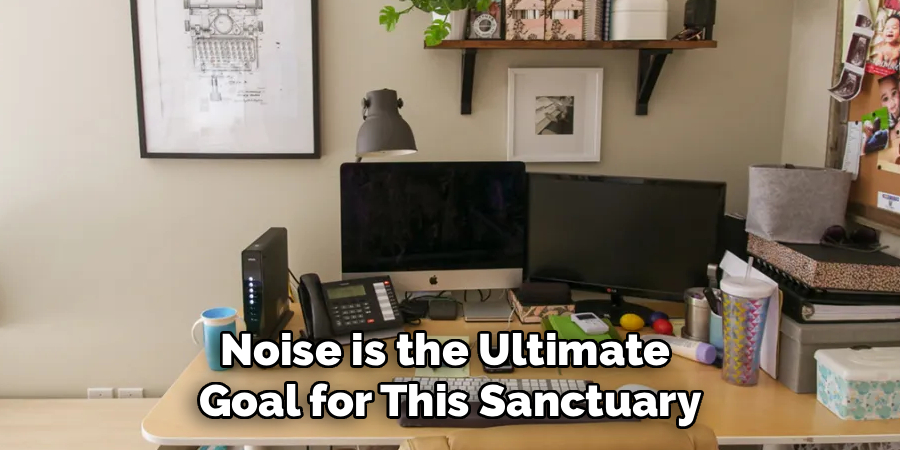
Good lighting prevents eye strain for both you and your children while making the entire room feel more inviting. Ensure their designated area receives ample illumination, preferably by positioning their small table near a natural light source like a window. Sunlight naturally boosts mood and helps regulate circadian rhythms during long afternoons indoors.
If natural light remains limited, add a sturdy, shatterproof floor lamp or a secure wall-mounted sconce nearby. Avoid using fragile glass desk lamps that could easily tip over during an energetic play session. Consistent, warm lighting makes their activities easier to see and keeps the overall atmosphere of the room calm and focused.
Step 7: Create Clear Visual Boundaries
Children understand physical space much better when they can clearly see where one zone ends and another begins. Place a soft, durable area rug on the floor to visually anchor their specific territory and separate it from your desk. This rug also provides a comfortable surface for floor puzzles, reading, and building projects.
You can also use low bookshelves to create a partial room divider that physically blocks wandering toys. Explain to your kids that their belongings must stay on their specific rug while you are actively working. Establishing this visual boundary reinforces the rules of the room and minimizes the daily spread of clutter.
Frequently Asked Questions
What Is The Best Age For An Office Play Space?
You can successfully integrate a dedicated play zone for children ranging from older toddlers to early elementary students. Toddlers around two years old begin grasping the concept of independent play for short bursts of time. Elementary students benefit greatly from having a quiet homework station near you while they tackle their daily assignments. You just need to adapt the furniture size and the complexity of the available activities to match their current developmental phase perfectly.
How Can I Keep My Workspace Quiet?
Maintaining a peaceful acoustic environment requires a thoughtful selection of materials and strict ground rules. You must entirely ban noisy electronic toys, musical instruments, and hard plastic items that crash loudly against the floor. Provide soft building blocks, felt boards, coloring books, and silent reading materials to encourage focused, quiet engagement. If you have an important meeting, offer them a pair of volume-limiting headphones to listen to an audiobook safely.
Do I Need A Large Room For This?
You absolutely do not need a massive room to create a highly functional and engaging area for your kids. Even a small three-foot by three-foot corner can house a comfortable floor cushion, a basket of books, and a lap desk. The key lies in maximizing vertical storage by using tall, secured wall shelves to hold all the extra materials. A compact, well-organized setup often works much better than a large, sprawling space because it naturally limits the amount of mess.
How Do I Separate Work From Play?
Establishing strict routines and clear expectations helps your family transition smoothly into the shared environment every morning. Create a visual system, like a red and green sign on your desk, to show when you cannot be interrupted. When the sign is red, they must solve their own minor problems or read a book independently. Praise them highly when they respect these boundaries, reinforcing the positive behavior you want to see continue in the future.
What Activities Keep Kids Busy The Longest?
Sensory-rich, open-ended activities consistently hold the attention of young minds far longer than standard passive entertainment. Provide a large container of interlocking building bricks, complex jigsaw puzzles, or washable watercolor paints for older children. Creating a dedicated art station with blank paper, safe scissors, and glue sticks encourages deep, focused creativity. The less a toy does on its own, the more your child has to use their imagination, resulting in longer periods of independent concentration.
Conclusion
Creating a harmonious environment where your career and your family peacefully coexist is entirely possible with a little strategic planning. You protect your professional focus by containing daily clutter while giving your children a safe, engaging place to learn and play nearby. Knowing how to set child corner in office transforms your daily workflow from a stressful juggling act into a manageable routine. Do not let spatial limitations or disorganized toys hold back your remote working potential any longer. Take action today by clearing out an empty corner, measuring the floor, and building a supportive space that benefits your entire family.

About
Alexis Kerr is a distinguished figure in the world of professional workspace optimization, with a decade of expertise creating innovative and ergonomic office environments. Her professional focus lies in merging organizational psychology with modern spatial design, fostering office setups that are both high-performing and employee-centric. As the lead author for Deskvity, Alexis Kerr delves into the art and science of corporate aesthetics and functionality, inspiring office managers and remote professionals alike.
Education Cornell University
(Ithaca, New York) Bachelor of Science in Design and Environmental Analysis Focus on human factors, workplace strategy, and sustainable interior environments. Gained extensive experience in how physical space influences productivity and mental clarity.
Savannah College of Art and Design (SCAD)
(Savannah, Georgia) Master of Fine Arts in Interior Design Specialized in commercial workspace solutions with a focus on blending digital integration with physical comfort. Participated in high-level industry projects to refine the balance between corporate branding and architectural utility.
Publications and Impact
In Deskvity, Alexis Kerr shares her insights on modern workspace trends, acoustic management, and strategies for efficient layout planning. Her writing bridges the gap between high-level architectural theory and practical day-to-day office needs, making it a must-read for both facility directors and individual professionals looking to elevate their work environment.