

Emergencies happen when we least expect them, and the workplace is no exception.

Whether you face a fire, severe weather, a medical crisis, or a security threat, the way your team responds in the first few minutes can make all the difference. Having a clear, actionable plan ensures everyone knows exactly what to do and where to go.
This guide on how to handle office emergencies provides a comprehensive framework to help you and your colleagues navigate unexpected office crises safely and effectively. By understanding the core protocols, you can transform a potentially chaotic situation into an organized, controlled response.
What Will You Need?
To execute a successful emergency response, your office must be equipped with specific tools and resources. Here is a breakdown of the essential items you need on hand:
- Emergency Action Plan (EAP): A comprehensive, printed document detailing evacuation routes, emergency contacts, and specific procedures for various types of crises.
- Fully Stocked First Aid Kits: Placed in accessible, highly visible locations throughout the office. These should include bandages, antiseptics, gauze, medical tape, and basic pain relievers.
- Automated External Defibrillator (AED): Essential for sudden cardiac emergencies. Ensure multiple staff members are trained to use it.
- Emergency Communication Devices: Two-way radios or a reliable mass notification system to broadcast instructions when the power goes out or when cellular networks fail.
- Emergency Lighting and Flashlights: Battery-operated or hand-crank flashlights stored at designated emergency stations to guide staff during power outages.
- Fire Extinguishers: Inspected regularly and appropriately rated for the specific types of fire risks in your building.
- Go-Bags for Floor Wardens: High-visibility vests, flashlights, hard hats, master keys, and a current employee roster to conduct headcounts.
10 Easy Steps on How to Handle Office Emergencies
Handling an office emergency effectively requires a systematic approach. Follow these ten critical steps to ensure a safe, organized response.
Step 1: Stay Calm and Assess the Situation
The most crucial action you can take when an emergency strikes is to remain calm. Take a deep breath to center yourself before you react. Panic is contagious, but so is a calm, composed demeanor. Quickly observe your surroundings to figure out exactly what is happening. Is it a fire, a medical issue, or a structural problem?
Determining the nature and scale of the threat allows you to choose the correct response protocol. Look for immediate dangers, such as falling debris or smoke, and decide whether you need to evacuate the area or shelter in place. Gathering this basic information in the first few seconds sets the foundation for everything else that follows.
Step 2: Activate the Alarm System
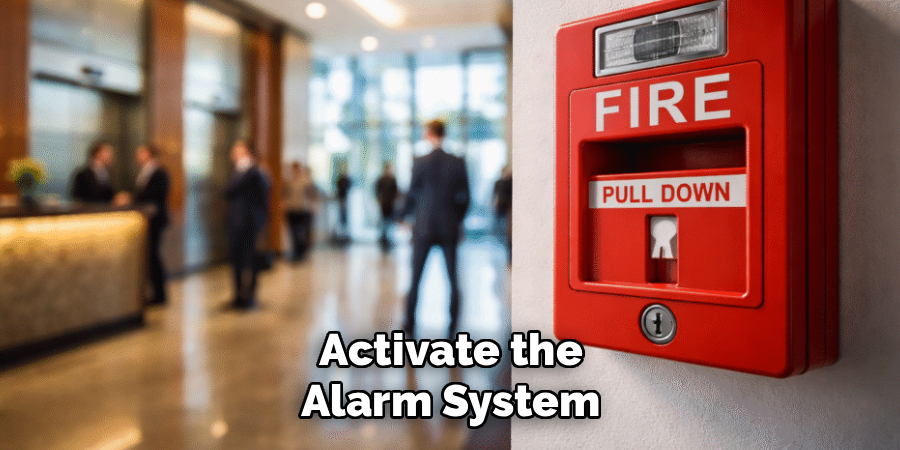
Once you identify a threat that requires building-wide attention, you must alert others immediately. Do not assume someone else has already done it. Locate the nearest fire pull station or emergency alarm and activate it without hesitation. The loud, unmistakable sound of the alarm cuts through office noise and signals everyone to stop working and begin the established emergency procedures.
If your office uses an intercom system, designate someone to make a clear, concise announcement about the nature of the emergency and the required action. Early notification gives your colleagues the maximum amount of time to secure their workspaces and move to safety.
Step 3: Call Emergency Services Immediately
Alarms alert the building, but they do not always automatically summon the authorities. You or a designated emergency warden must dial emergency services right away. Speak clearly and provide the dispatcher with precise information. Give them the exact address of the office, the specific floor or suite number, and a brief description of the emergency.
Let them know if anyone is trapped or injured so they can dispatch the appropriate medical or rescue units. Stay on the line until the dispatcher tells you it is okay to hang up. They may provide critical life-saving instructions to follow while you wait for the first responders to arrive.
Step 4: Follow the Established Evacuation Route
If the situation requires an evacuation, immediately move toward the primary exit route designated in your Emergency Action Plan. Walk quickly, but do not run, to prevent slips, trips, and stampedes. Pay attention to illuminated exit signs and floor-level emergency lighting if the main power fails. If you encounter heavy smoke, drop to your hands and knees and crawl, as the air is cleaner closer to the floor. Always test closed doors with the back of your hand before opening them; if a door feels hot, fire is likely on the other side, and you must find an alternate route. Keep moving steadily until you reach the outside.
Step 5: Assist Those Who Need Help
In every office, some individuals may require extra assistance during an emergency. This includes colleagues with physical disabilities, pregnant women, elderly staff, or visitors who are unfamiliar with the building layout. If you can do so without endangering yourself, offer your support. Guide visitors to the nearest exit and walk with anyone who needs physical support.
For individuals who cannot navigate the stairs, guide them to a designated “Area of Rescue Assistance,” usually located in a fire-rated stairwell. Ensure you immediately inform emergency responders about the exact location of anyone left behind in these safe zones so they can be rescued promptly.
Step 6: Gather at the Designated Assembly Point
Once you exit the building, you must continue moving until you reach the predetermined assembly point. This location should be far enough away from the building to protect you from falling glass, smoke, and incoming emergency vehicles. Do not congregate on the sidewalks near the entrance, as this blocks firefighters and paramedics from doing their jobs.
Once you reach the assembly point, stay there. Grouping together by department or floor makes it much easier for management to figure out who is safe and who is missing. Keep the noise level down so everyone can hear instructions from the emergency wardens.
Step 7: Conduct a Headcount
Accountability is a vital part of emergency management. As soon as a group reaches the assembly area, the designated floor warden or manager must conduct a strict headcount. Using a printed roster or a digital staff list, call out names and verify that everyone who was in the office that day is present. You must also account for any clients, contractors, or delivery personnel who were in your suite.
If someone is missing, ask colleagues if they saw that person leave the building or if they know their last location. Immediately pass the names and suspected locations of all missing persons directly to the fire department or police.
Step 8: Provide First Aid if Safe to Do So
While waiting for professional medical help, you may need to tend to colleagues who suffered injuries during the emergency. Only provide first aid if you are trained and if the environment is completely safe. Grab the emergency go-bag or first aid kit brought from the office.
Apply pressure to bleeding wounds, help individuals with asthma use their inhalers, or assist with an AED if someone is experiencing cardiac arrest. Do not attempt to move someone who has suffered a severe fall or spinal injury unless leaving them poses an immediate threat to their life. Keep injured individuals warm and calm until paramedics take over.

Step 9: Wait for Official Clearance
One of the most dangerous mistakes you can make is re-entering the building before it is officially declared safe. Even if the fire appears to be out or the alarm stops ringing, invisible hazards like carbon monoxide or structural weaknesses might still exist. You must wait patiently at the assembly area. Only the fire department chief or the lead emergency responder has the authority to issue the “all clear” signal.
Once they hand control of the building back to your property management, your office safety wardens will instruct you on the next steps. Until then, stay out of the way and follow all directions given by the authorities.
Step 10: Document and Debrief
The emergency does not end the moment you return to your desk. After everyone is safe and operations begin to normalize, leadership must hold a debriefing session. Gather the emergency wardens and staff to discuss what went well and what failed during the response. Document the entire timeline of events, noting any communication breakdowns, blocked exits, or missing supplies.
Use these real-world insights to update your Emergency Action Plan. This reflective process turns a crisis into a learning opportunity, ensuring that your office is even better prepared, equipped, and trained to handle any future emergencies that might arise.
5 Things You Should Avoid
Knowing what not to do is just as important as knowing the correct procedures. Avoid these five dangerous actions during an emergency:
- Do Not Use the Elevators: Elevators can lose power, trap you inside, or inadvertently open on a floor engulfed in fire or smoke. Always use the stairs during an evacuation.
- Do Not Gather Personal Belongings: Do not waste precious seconds shutting down your computer, grabbing your coat, or searching for your bag. Your life is vastly more important than physical items; leave everything behind and exit immediately.
- Do Not Spread Rumors: In a crisis, misinformation causes panic. Avoid guessing about the cause of the emergency or the status of your colleagues. Rely only on official announcements from management or emergency responders.
- Do Not Block Walkways or Exits: Keep aisles, stairwells, and emergency exits completely clear at all times. Storing boxes or office equipment in these pathways creates fatal bottlenecks when hundreds of people are trying to escape.
- Do Not Ignore Drills: Treat every fire drill and safety exercise as a real emergency. Complacency during practice leads to confusion and deadly mistakes when a genuine crisis occurs.
Conclusion
How to handle office emergencies successfully comes down to preparation, clear communication, and remaining calm under pressure.
By understanding the steps outlined in this guide, you empower yourself and your colleagues to act decisively when every second counts. Remember that safety is a collective responsibility; it requires everyone to participate in drills, learn the evacuation routes, and look out for one another.
Keep this guide accessible, review your Emergency Action Plan regularly, and stay vigilant. With the right mindset and proper training, your office can confidently navigate any crisis and ensure everyone returns home safely.

About
Alexis Kerr is a distinguished figure in the world of professional workspace optimization, with a decade of expertise creating innovative and ergonomic office environments. Her professional focus lies in merging organizational psychology with modern spatial design, fostering office setups that are both high-performing and employee-centric. As the lead author for Deskvity, Alexis Kerr delves into the art and science of corporate aesthetics and functionality, inspiring office managers and remote professionals alike.
Education Cornell University
(Ithaca, New York) Bachelor of Science in Design and Environmental Analysis Focus on human factors, workplace strategy, and sustainable interior environments. Gained extensive experience in how physical space influences productivity and mental clarity.
Savannah College of Art and Design (SCAD)
(Savannah, Georgia) Master of Fine Arts in Interior Design Specialized in commercial workspace solutions with a focus on blending digital integration with physical comfort. Participated in high-level industry projects to refine the balance between corporate branding and architectural utility.
Publications and Impact
In Deskvity, Alexis Kerr shares her insights on modern workspace trends, acoustic management, and strategies for efficient layout planning. Her writing bridges the gap between high-level architectural theory and practical day-to-day office needs, making it a must-read for both facility directors and individual professionals looking to elevate their work environment.