

Creating a safe workplace is a fundamental responsibility for any business owner, manager, or organizational leader.
An office might seem like a low-risk environment compared to a construction site or a manufacturing plant, but hidden dangers exist everywhere. From exposed electrical cords and slippery floors to inadequate ergonomic setups and poor emergency lighting, the modern office presents its own unique set of hazards. Protecting your employees requires more than just common sense; it demands a structured, documented, and actively managed approach.
This comprehensive guide on how to make office safety plan will walk you through everything you need to know to build a robust, highly effective office safety program from the ground up. By the time you finish reading, you will possess the knowledge necessary to protect your team and your business assets.
What Will You Need?
Before you begin drafting your strategy, you must gather a few essential resources and tools. Having these materials ready will streamline the planning process and ensure your final document is comprehensive and accurate.
You will need an up-to-date floor plan of your entire office space. This blueprint is critical for mapping out emergency exits, placing fire extinguishers, and identifying potential bottlenecks during an evacuation. You also need access to your local occupational health and safety regulations to ensure full legal compliance.
Gather any previous accident reports or incident logs, as these provide invaluable historical data about recurring issues in your specific environment. Assemble a core team of employees to act as your safety committee. Finally, prepare to invest in basic safety equipment, such as first aid kits, emergency signage, and ergonomic workstation accessories. Having a dedicated budget for these items is essential for successful implementation.
10 Easy Steps on How to Make Office Safety Plan
Step 1: Conduct a Thorough Hazard Assessment
The absolute foundation of any effective protection strategy involves walking through your entire workspace to identify potential dangers. You must look at the environment with a highly critical eye. Inspect all walkways for tripping hazards like loose carpets or trailing computer cables. Examine the break room for potential fire risks, such as faulty microwaves or overloaded electrical outlets.
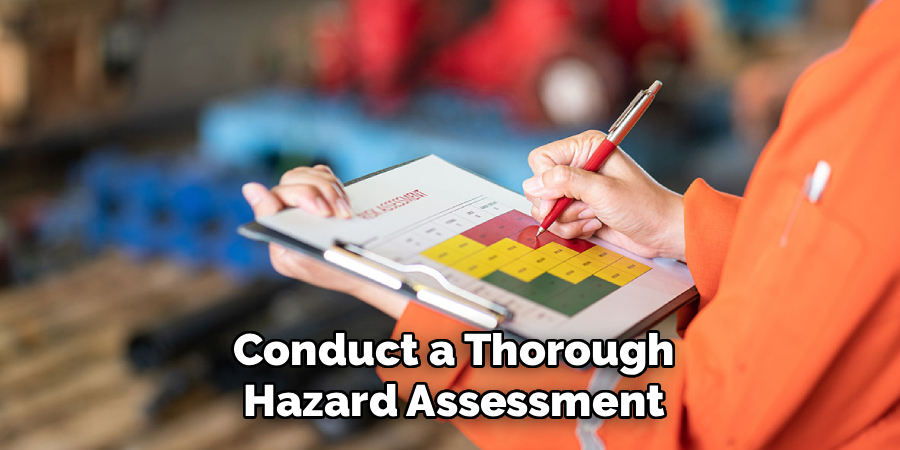
Assess the lighting in stairwells and parking areas to ensure adequate visibility. You must also consider invisible threats, such as poor indoor air quality or excessive noise levels. Document every single issue you find, no matter how minor it might seem at the time. This detailed inventory will serve as the baseline for all your subsequent planning efforts, allowing you to prioritize the most severe risks and systematically address them one by one.
Step 2: Establish a Dedicated Safety Committee
You cannot manage workplace wellness alone; it requires a collaborative effort. Form a diverse committee composed of individuals from various departments across your organization. Including representatives from human resources, facilities management, IT, and general staff ensures you capture multiple perspectives on potential hazards. This team will be responsible for reviewing the hazard assessment, suggesting practical solutions, and helping to enforce new policies.
By giving employees a direct voice in the process, you significantly increase buy-in and compliance across the board. Schedule regular monthly meetings for this committee to review recent incident reports, discuss upcoming training needs, and evaluate the ongoing effectiveness of the safety protocols. Their continuous oversight is what keeps the plan dynamic and responsive to changing conditions.
Step 3: Review Local and Federal Regulations
To protect your organization legally and financially, your plan must strictly adhere to all relevant governmental standards. Take the time to research the specific requirements mandated by occupational safety authorities in your region. These rules dictate everything from the mandatory number of fire exits to the specific contents required in your workplace’s first aid kits.
It is highly recommended to consult with a legal professional or an occupational health consultant during this phase to ensure nothing is overlooked. Ignorance of the law is never an acceptable defense in the event of an accident or an unexpected regulatory audit. Incorporate these legal requirements directly into your internal documentation, creating a clear mapping between external laws and your internal company policies.
Step 4: Develop Clear Evacuation Procedures
When an emergency strikes, panic is your greatest enemy. You must develop a crystal-clear, step-by-step evacuation protocol that leaves no room for confusion. Using your office floor plan, map out primary and secondary escape routes for every section of the building. Clearly mark these routes with illuminated exit signs and post evacuation maps in highly visible locations, such as near elevators and break rooms.
Designate a specific, safe assembly point outside the building where employees must gather. Assign specific roles to reliable staff members, such as “floor wardens,” who are responsible for ensuring their assigned areas are completely cleared before they exit. Include special provisions for assisting employees or visitors with mobility issues, ensuring absolutely everyone can exit the premises safely and quickly.

Step 5: Create a Medical Emergency Response Protocol
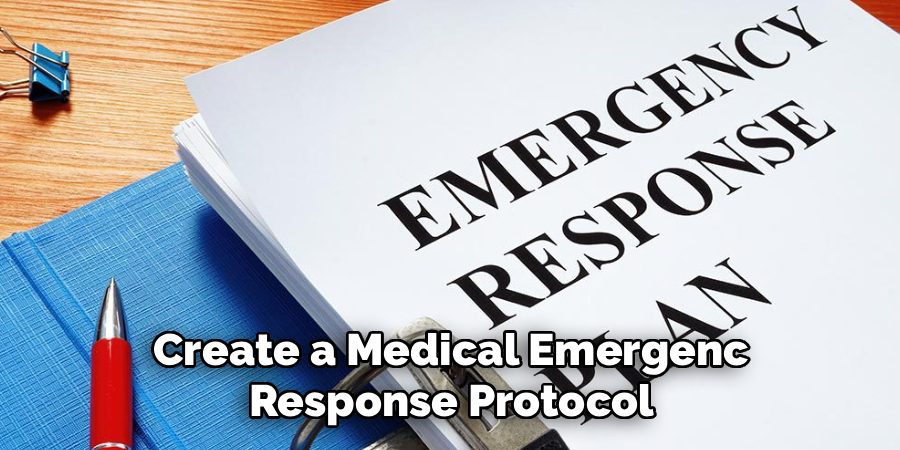
Medical emergencies, from sudden cardiac arrests to severe allergic reactions, require immediate and organized responses. Your plan must detail exactly what steps to take when someone falls ill or is injured on the premises. First, clearly define how employees should report a medical emergency and who is responsible for calling emergency services.
Maintain fully stocked first aid kits on every floor and ensure their locations are well-known. Furthermore, invest in Automated External Defibrillators (AEDs) and place them in accessible, high-traffic areas. You must maintain a list of employees who hold current CPR and first aid certifications, ensuring their contact information is posted alongside your emergency response guidelines. Quick, decisive action during those first few crucial minutes can easily mean the difference between life and death.
Step 6: Implement Workplace Ergonomics Guidelines
Office injuries are rarely dramatic; they usually develop slowly over time due to poor ergonomics. Musculoskeletal disorders caused by repetitive strain, improper seating, and poor desk setups account for a massive percentage of lost workdays. Your plan must include strict guidelines for ergonomic workstation setups.
Educate your team on the importance of maintaining neutral posture, positioning monitors at eye level, and keeping keyboards at the correct height. Provide resources for employees to request ergonomic assessments and, when necessary, invest in adjustable chairs, standing desks, and supportive keyboards. Encourage staff to take frequent, short micro-breaks to stretch and rest their eyes. By addressing these daily, repetitive stresses, you dramatically reduce chronic pain and fatigue among your workforce.
Step 7: Draft a Cyber and Physical Security Policy
In the modern business landscape, safety extends far beyond physical hazards to include the security of your premises and your data. Control access to your building by implementing keycard systems, visitor sign-in logs, and clear identification badge protocols. Ensure that all external doors are locked and secure after business hours.
Simultaneously, address the digital environment by integrating cybersecurity best practices into your overarching safety plan. Mandate the use of strong passwords, require multi-factor authentication, and establish clear rules for handling sensitive company data. Train your employees to recognize phishing attempts and social engineering tactics. A breach in physical security can lead to physical harm, while a digital breach can destroy your company; both must be guarded against with equal vigilance.
Step 8: Procure Necessary Safety Equipment
A plan is completely useless if you lack the physical tools required to execute it. Based on your hazard assessment and regulatory review, purchase all necessary safety equipment immediately. This includes fire extinguishers rated for the specific types of fires most likely to occur in an office setting, such as electrical fires.
Install functional smoke detectors, carbon monoxide alarms, and adequate emergency backup lighting in all stairwells and windowless corridors. Ensure that your first aid kits are not just purchased, but regularly inventoried and restocked as items expire or are used. Depending on your location and specific risks, you might also need to procure emergency disaster supplies, such as flashlights, backup batteries, emergency blankets, and a supply of clean drinking water for shelter-in-place scenarios.
Step 9: Train Your Employees Effectively
The most brilliantly designed safety strategy will fail if your employees do not understand it. You must launch a comprehensive, ongoing training program for all staff members. Introduce the safety plan during the onboarding process for all new hires, ensuring they understand the protocols from day one. Hold annual refresher courses for your entire workforce to review evacuation routes, emergency contacts, and hazard reporting procedures.
Use multiple formats for training, including hands-on demonstrations, video presentations, and interactive quizzes, to cater to different learning styles. Make sure every employee knows exactly how to use a fire extinguisher and where the first aid kits are located. Knowledge is the ultimate preventative tool, and continuous education keeps safety at the forefront of everyone’s mind.
Step 10: Schedule Regular Safety Drills and Audits
Your office environment is constantly changing, and your safety plan must evolve alongside it. You must test your protocols through regular, scheduled drills. Conduct fire drills at least twice a year to ensure everyone knows the evacuation routes and assembly points. Run tabletop exercises with your management team to simulate responses to medical emergencies or severe weather events.
Following every drill, gather feedback to identify areas of confusion or bottlenecks, and adjust your plan accordingly. Furthermore, conduct formal safety audits every quarter to ensure equipment is functioning, exits are unblocked, and new hazards have not been introduced into the workspace. Continuous improvement through rigorous testing and auditing is the only way to maintain a truly secure and prepared organization over the long term.

5 Things You Should Avoid
- Treating Safety as a One-Time Task: A safety plan is a living document. Avoid drafting it once and leaving it to collect dust in a binder. It requires continuous updates, regular reviews, and ongoing employee training to remain effective against evolving risks.
- Ignoring Employee Feedback: Your employees are the ones navigating the workspace daily. Dismissing their concerns or making hazard reporting difficult guarantees that serious risks will go unnoticed until an accident actually happens.
- Providing Generic Training: Reading a generic safety manual is not effective training. Avoid using highly technical jargon or irrelevant examples; tailor your education to the specific layout and specific risks of your unique office space.
- Neglecting Mental Health and Stress: True workplace wellness goes beyond physical hazards. Failing to address high stress levels, burnout, and mental health resources leaves a massive gap in your overall employee protection strategy.
- Skimping on Equipment Maintenance: Buying fire extinguishers and first aid kits is only half the battle. Avoid the dangerous trap of failing to inspect, maintain, and restock this critical emergency equipment on a regular schedule.
Conclusion
How to make office safety plan is an ongoing commitment that requires diligence, preparation, and active participation from every level of your organization.
By understanding the immense benefits, gathering the right resources, and meticulously following the ten steps outlined in this guide, you lay a solid foundation for a resilient business. Remember to steer clear of common pitfalls like neglecting equipment maintenance or ignoring employee feedback.
Ultimately, a well-executed safety plan protects your most valuable asset—your people—ensuring they can perform their duties with confidence and peace of mind.

About
Alexis Kerr is a distinguished figure in the world of professional workspace optimization, with a decade of expertise creating innovative and ergonomic office environments. Her professional focus lies in merging organizational psychology with modern spatial design, fostering office setups that are both high-performing and employee-centric. As the lead author for Deskvity, Alexis Kerr delves into the art and science of corporate aesthetics and functionality, inspiring office managers and remote professionals alike.
Education Cornell University
(Ithaca, New York) Bachelor of Science in Design and Environmental Analysis Focus on human factors, workplace strategy, and sustainable interior environments. Gained extensive experience in how physical space influences productivity and mental clarity.
Savannah College of Art and Design (SCAD)
(Savannah, Georgia) Master of Fine Arts in Interior Design Specialized in commercial workspace solutions with a focus on blending digital integration with physical comfort. Participated in high-level industry projects to refine the balance between corporate branding and architectural utility.
Publications and Impact
In Deskvity, Alexis Kerr shares her insights on modern workspace trends, acoustic management, and strategies for efficient layout planning. Her writing bridges the gap between high-level architectural theory and practical day-to-day office needs, making it a must-read for both facility directors and individual professionals looking to elevate their work environment.