

Empty desks and silent hallways can quickly drain the energy from any workplace. If your organization struggles to bring teams back together, you are not alone. Many business leaders and HR managers face the challenge of encouraging employees to return to the physical workspace without relying on strict mandates.

The goal is to make the office a destination people want to visit, rather than a requirement they try to avoid.
This guide on how to improve office attendance provides a comprehensive roadmap to boosting workplace presence. We will explore the tangible benefits of a bustling office, outline the essential tools you need to get started, and walk through ten actionable steps to transform your attendance rates.
What are the Benefits?
Improving office attendance offers significant advantages for both the organization and the employees. When people share a physical space, magic happens that screens simply cannot replicate.
First, in-person attendance strengthens team cohesion. Face-to-face interactions build trust and camaraderie, leading to stronger professional relationships. When colleagues chat in the breakroom or collaborate at a whiteboard, they forge bonds that improve overall morale.
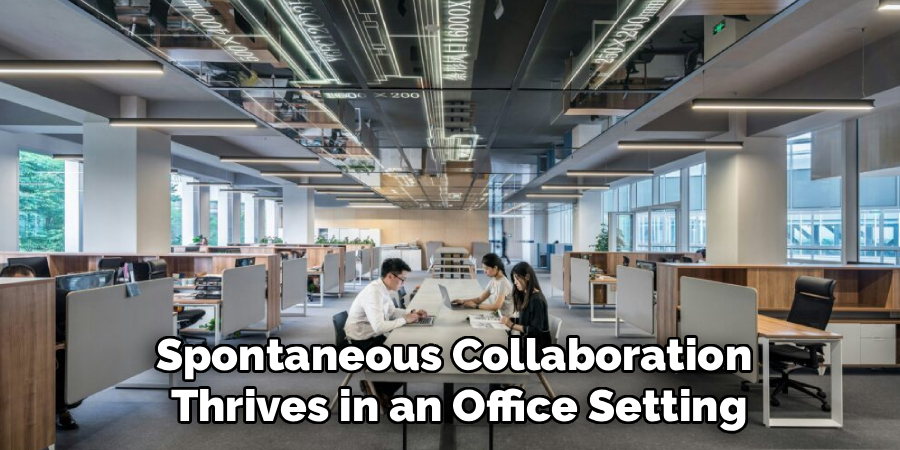
Second, spontaneous collaboration thrives in an office setting. Those quick, unplanned conversations often spark the most innovative ideas. Waiting hours for an email reply or scheduling a meeting for a simple question slows down progress. Physical proximity eliminates these barriers, speeding up problem-solving and decision-making.
Furthermore, consistent attendance reduces the stress on employees who do show up. When attendance is erratic, workflows become disjointed, and the burden often falls on the visible team members to pick up the slack. A reliable presence across the board ensures a fair distribution of work and smoother daily operations. Ultimately, a vibrant office culture drives employee engagement, boosts productivity, and helps retain top talent.
What Will You Need?
Before you start rolling out new initiatives, you need to lay a solid foundation. Gathering the right tools and mindset will set you up for success. Here is a checklist of what you will need:
- Leadership Buy-in: Executives and managers must be fully committed and willing to participate.
- Survey and Feedback Tools: You need a way to understand what your employees actually want and need from the office.
- A Flexible Mindset: The traditional nine-to-five might not work anymore. Be prepared to compromise.
- Wellness and Perk Budgets: Setting aside funds for office upgrades, snacks, or commute subsidies is crucial.
- Clear Communication Channels: You must be able to clearly articulate the “why” behind your attendance initiatives.
10 Easy Steps on How to Improve Office Attendance
Transforming your workplace into a hub of activity requires a strategic approach. Follow these ten steps to create an environment that naturally draws employees back to the office.
Step 1: Uncover the Root Causes of Absenteeism
Before fixing the problem, you must understand it. Distribute anonymous surveys to your team to discover why they prefer staying home. Are they avoiding a grueling commute? Does the office lack quiet spaces for deep work? Are they struggling with childcare? Gather this data and look for trends. When you understand the specific hurdles keeping your team away, you can design targeted solutions rather than guessing what might work.
Step 2: Revamp the Physical Environment
A sterile, uninspiring office will not entice anyone to leave their comfortable home setup. Take a critical look at your workspace. Invest in ergonomic furniture, improve the lighting, and incorporate elements of nature like plants. Create diverse work zones: quiet libraries for focused tasks, comfortable lounges for casual meetings, and dynamic collaborative spaces. When the office feels inviting and supports different work styles, employees will see it as a valuable resource rather than a restriction.

Step 3: Implement Purposeful Flexibility
Rigid mandates often backfire. Instead, offer structured flexibility. Implement core hours where everyone is expected to be present, but allow flexibility around start and end times to help employees avoid rush hour. Alternatively, try a hybrid model where specific days are designated as “anchor days” for entire departments to be in the office together. This ensures that when people make the effort to commute, their colleagues are actually there to collaborate with them.
Step 4: Upgrade Your Office Technology
Employees will stay home if their personal setup is better than what the office provides. Ensure your workplace features high-speed internet, dual monitors, and seamless video conferencing tools in every meeting room. Nothing frustrates a worker more than coming into the office only to struggle with a faulty printer or spotty Wi-Fi. Make the office the most technologically advanced and efficient place for them to get their work done.
Step 5: Subsidize the Commute
The cost and time associated with commuting represent major barriers to office attendance. You can soften this blow by offering tangible support. Provide transit passes, subsidize parking costs, or organize company carpools. If your budget allows, consider a daily stipend for employees who travel more than a certain distance. Easing the financial and logistical burden of getting to work shows that you respect their time and resources.
Step 6: Foster a Culture of Recognition
People want to feel seen and appreciated. Use in-person time to celebrate wins and recognize hard work. Host monthly breakfasts to highlight outstanding projects, or simply make a habit of praising team members during live meetings. When employees know their contributions are recognized and celebrated publicly in the office, they feel a stronger sense of belonging and are more motivated to show up and participate.
Step 7: Prioritize Health and Well-being
A healthy employee is a present employee. Make the office a place that actively supports physical and mental well-being. Stock the kitchen with nutritious snacks rather than just junk food. Offer on-site fitness classes or partner with a nearby gym for discounted memberships. Ensure your sick leave policies encourage people to stay home when they are genuinely ill, which prevents burnout and keeps the rest of the office healthy and comfortable.

Step 8: Design Meaningful In-Person Events
Do not ask people to commute just to sit on video calls all day. Curate experiences that can only happen in person. Schedule interactive training workshops, cross-departmental brainstorming sessions, or team-building lunches on designated office days. When employees know that coming in means engaging in high-value, collaborative activities that advance their skills and relationships, they will look forward to office days.
Step 9: Enhance Social Connectivity
Humans are social creatures, and the workplace is a primary source of community for many. Foster this by creating spaces and times for casual interaction. Set up a great coffee bar where people naturally gather. Organize optional after-work social events or volunteer days. When employees have genuine friends at work, they want to come in to see them. Build the community, and the attendance will naturally follow.
Step 10: Lead by Example
Your attendance initiatives will fail if leadership does not participate. If managers and executives consistently work from home, the rest of the team will follow suit. Leaders need to be visible, accessible, and enthusiastic about being in the office. When leadership actively participates in the physical workspace, it signals to the entire company that the office is the center of collaboration and decision-making.
5 Things You Should Avoid
As you work to improve attendance, steering clear of common mistakes is just as important as implementing good strategies. Avoid these five pitfalls:
- Strict Mandates Without Justification: Demanding employees return just because “that is how we used to do it” breeds resentment. Always explain the value and purpose behind in-person time.
- Micromanagement: Do not use office time to hover over employees’ shoulders. Trust them to manage their tasks. The office should be for collaboration, not surveillance.
- Ignoring Mental Health: Pushing too hard for attendance can cause burnout. Always remain sensitive to employees dealing with stress, anxiety, or personal crises.
- Playing Favorites: Ensure your attendance policies apply fairly across the board. Allowing certain individuals to bypass the rules while holding others accountable destroys team morale.
- Bait and Switch Tactics: Do not promise a highly collaborative environment and then leave employees sitting in silent cubicles doing solo work. Align the reality of the office with the promises you make.
Frequently Asked Questions
- How Long Does It Take to See Improvements in Office Attendance?
You will likely notice a slight shift within the first few weeks of launching new initiatives. However, true cultural change requires patience and consistency over several months. Employees need time to adjust their routines and evaluate if the office environment has genuinely improved. Monitor your attendance metrics quarterly to get an accurate picture of your progress. Adjust your strategies based on long-term trends rather than daily fluctuations. - What if Employees Push Back on Returning to the Office?
Resistance is a normal part of any organizational change. Listen to their concerns with empathy and an open mind rather than dismissing them. Use these conversations to identify valid roadblocks, such as childcare gaps or expensive commutes. Address these specific issues with targeted solutions and compromises. Focus on the mutual benefits of collaboration and ensure your leadership team is modeling the desired behavior to ease the transition. - Should We Penalize Employees WHO Do Not Meet Attendance Goals?
Punitive measures usually damage morale and erode the trust you have built with your team. Instead of focusing on punishments, redirect your energy toward positive reinforcement and creating an attractive workplace. Have private, constructive conversations with individuals who consistently miss attendance targets to understand their specific challenges. Work together to find a mutually beneficial solution before taking any disciplinary action.
Conclusion
Improving office attendance is not about forcing people back to their desks; it is about creating a magnetic workplace that employees actively want to engage with.
By understanding their needs, optimizing the environment, and making in-person time truly valuable, you can rebuild a vibrant office culture. Start small, listen to feedback, and commit to continuous improvement.
Hopefully, these tips on how to improve office attendance and strategies will help you create an office environment that employees are excited to be a part of, leading to increased productivity, collaboration, and overall job satisfaction.
