

Constant chatter, ringing phones, and loud street noise can easily ruin a productive workday.
When you try to focus on an important project or conduct a confidential client call, background noise becomes a serious obstacle. You need a dedicated environment where you can think clearly and communicate without interruption.
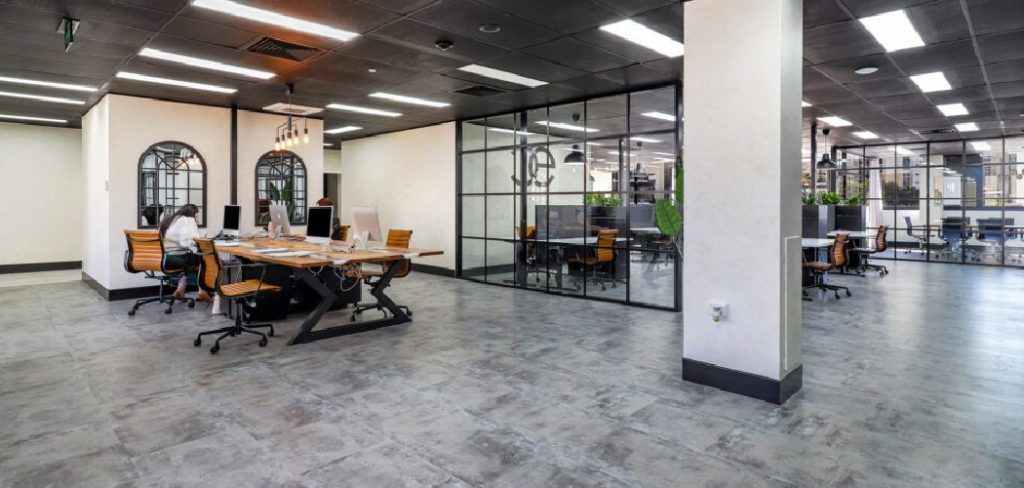
This guide will show you exactly how to make an office soundproof. We will walk you through everything you need to know, from understanding the core concepts of acoustics to applying practical fixes. You will discover the distinct benefits of a quiet workspace and find a comprehensive list of materials to get the job done right.
What Will You Need?
Before you start tearing down walls or moving furniture, you need to gather the right materials and tools. Your specific shopping list will depend on the severity of your noise problem, but a complete soundproofing project generally requires the following items:
- Acoustic panels
- Weatherstripping tape:
- Acoustic caulk
- Draft stoppers or door sweeps
- Heavy carpets or rugs
- Mass Loaded Vinyl (MLV)
- Basic hand tools
10 Easy Steps on How to Make an Office Soundproof
Step 1: Assess Your Current Noise Leaks
You must find out exactly where the sound enters and exits your office before you spend money on materials. Sound acts much like water, finding the path of least resistance through any available gap, crack, or thin surface. Turn off all electronics in your office, sit quietly, and listen carefully to the surrounding environment.
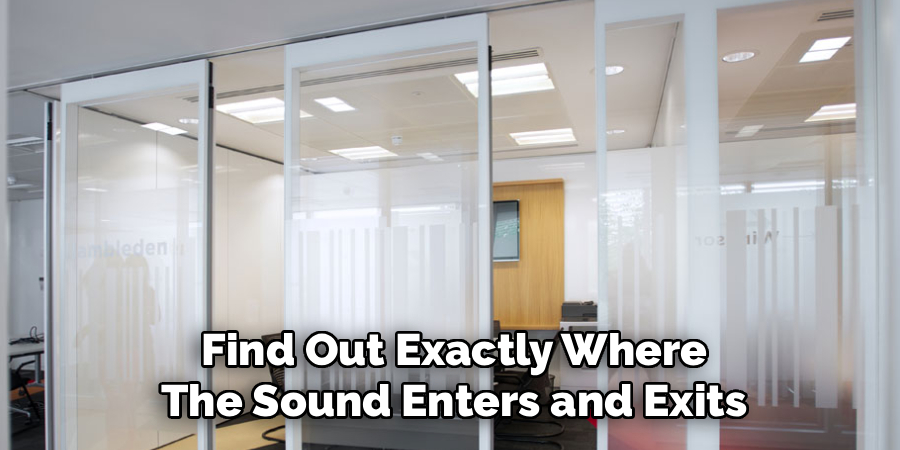
Identify the primary sources of your noise issues. Determine if the sound comes through a shared wall, a hollow door, a drafty window, or the ceiling vents. Look for visible light creeping in around door frames and window sashes, as light leaks almost always indicate sound leaks. Take detailed notes on these weak points so you can target your efforts and budget effectively.
Step 2: Seal Gaps Around Windows and Doors
Once you identify the gaps, you must seal them tight. Even a tiny crack can let in a surprising amount of unwanted noise. Grab your acoustic caulk and carefully apply a continuous bead along the seams where your window and door frames meet the drywall.
Unlike standard silicone caulk, acoustic caulk remains permanently flexible, allowing it to absorb structural vibrations without cracking over time. Next, apply weatherstripping tape to the inside of your door and window frames. Ensure the tape compresses slightly when you close the door or window, creating an airtight seal. This simple and inexpensive step often provides an immediate, noticeable reduction in high-frequency airborne noises.
Step 3: Upgrade or Reinforce the Office Door
The door represents the largest hole in your office wall, and standard interior doors use hollow-core construction that does nothing to block sound. If your budget allows, replace your hollow door with a solid-core wood door. The added mass will significantly block lower-frequency sounds from the hallway.
If replacing the door is not an option, you can reinforce your existing one. Hang a specialized, heavy-duty soundproofing blanket over the back of the door using heavy-duty hooks. Furthermore, install an automatic door sweep at the bottom edge. This mechanical device drops a dense rubber seal against the floor when you close the door, blocking the large gap at the threshold where sound easily travels.
Step 4: Install Acoustic Panels on the Walls
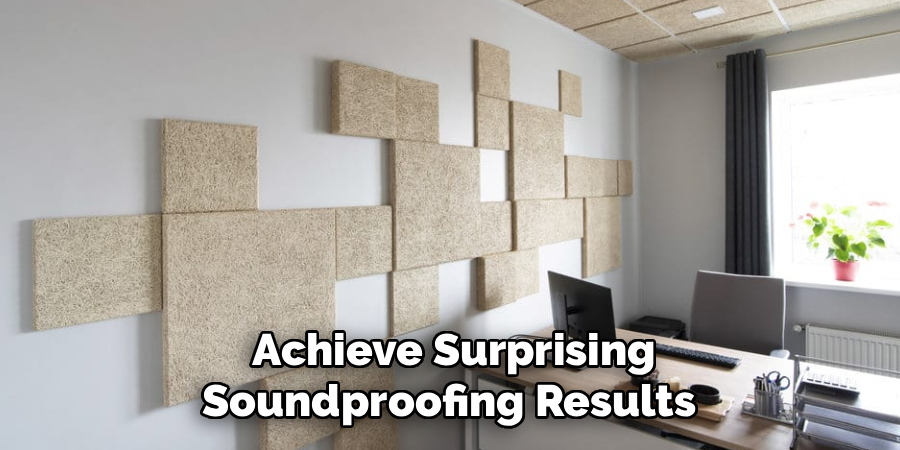
Hard, flat drywall surfaces cause sound waves to bounce endlessly around your office, creating a distracting echo. You need to absorb these internal sound waves using acoustic panels. Purchase high-quality fabric-wrapped fiberglass panels or thick acoustic foam boards.

Mount these panels at ear level along the walls, focusing on the points where sound reflects directly from your desk to the wall. You do not need to cover the entire wall to see results; treating just 20 to 30 percent of the wall surface will dramatically reduce room reverberation. Use removable mounting strips if you rent your office space, or construction adhesive for a permanent installation. Your voice will instantly sound warmer and clearer.
Step 5: Treat the Floors with Rugs and Carpets
Hardwood, tile, and concrete floors look fantastic, but they act as massive reflective surfaces for sound. They bounce noise around the room and transmit the sound of footsteps to the floors below. You must add soft materials to absorb this impact noise.
Lay down a thick, plush area rug over the center of your office floor. For maximum effectiveness, place a high-density acoustic rug pad directly underneath it. The rug pad adds necessary mass, while the soft carpet fibers handle the absorption. If you have rolling office chairs, place a clear plastic mat over the rug to maintain mobility without sacrificing your newly acquired acoustic control.
Step 6: Use Mass Loaded Vinyl (MLV) for Heavy Blocking
When you need to stop loud, low-frequency sounds like heavy traffic or bass-heavy music from penetrating a shared wall, standard foam will not work. You need mass, and Mass Loaded Vinyl provides exactly that. MLV is a heavy, dense, and flexible roll of material specifically engineered to block sound transmission.
To install MLV, you typically cut it to size with a utility knife and nail or screw it directly into the wall studs before adding a second layer of drywall. If you cannot do major construction, you can hang MLV sheets loosely against the wall like heavy tapestries, or attach them to the back of large furniture pieces placed against the shared wall. The sheer weight of the vinyl stops sound vibrations in their tracks.
Step 7: Address the Ceiling and Lighting Fixtures
Many people soundproof their walls and doors, but completely forget about the ceiling. If you work in a commercial building with a drop ceiling, sound can easily travel up and over the shared walls through the plenum space. You must block this hidden pathway.

Lift the ceiling tiles and install thick fiberglass insulation batts directly over the partition walls to plug the gap. You can also replace standard lightweight ceiling tiles with specialized acoustic mineral wool tiles. Pay attention to recessed lighting fixtures, as they create holes in your drywall. Install fire-safe acoustic covers over the back of these light fixtures in the ceiling cavity to maintain a continuous sound barrier.
Step 8: Soundproof the Windows
Windows bring in beautiful natural light, but glass is a terrible sound barrier. Street noise, sirens, and lawnmowers easily penetrate standard single-pane windows. To combat this, install heavy, multi-layered acoustic curtains over the window frames. Keep them closed during deep work sessions to absorb and block exterior noise.
If you need a more robust solution, consider acoustic window inserts. These custom-cut acrylic or glass panels fit snugly inside your existing window frame, leaving a small air gap between the old window and the new insert. This trapped air acts as a powerful insulator, cutting outside noise by up to 70 percent without blocking your view of the outdoors.
Step 9: Manage Air Vents and Ductwork
Heating and cooling ducts act like speaking tubes, carrying conversations directly from one room to another. You cannot simply block an air vent, as you need proper ventilation to breathe and stay comfortable. However, you can manage how sound travels through the ductwork.
Construct a sound maze inside the duct using rigid acoustic foam. By creating a zigzag pattern inside the vent, you force the sound waves to bounce multiple times against the absorptive foam before reaching your office. The air can easily flow around the bends, but the acoustic energy dissipates with every bounce. Alternatively, you can line the inside of the metal vent covers with thin acoustic material to dampen metallic ringing.
Step 10: Arrange Furniture to Block Sound Waves
You can achieve surprising soundproofing results simply by rearranging your existing office furniture. Dense, heavy objects naturally block sound waves. Look at the wall that lets in the most noise and move your largest, heaviest furniture against it.
Place a large bookcase against the problematic shared wall and fill it with dense books. The irregular shapes of the books scatter high-frequency sounds, while the mass of the paper blocks lower frequencies. Move heavy filing cabinets to the corners of the room to trap bass frequencies. Finally, add a plush sofa or heavily upholstered chairs to the room; the fabric and foam will naturally soak up ambient echoes.
5 Things You Should Avoid
Do not make the common mistake of confusing sound absorption with sound blocking. Acoustic foam panels will stop your room from echoing, but they will never stop the noise of a lawnmower outside your window.
Avoid using egg cartons or mattresses glued to the walls. These DIY myths look terrible, pose a massive fire hazard, and offer almost zero actual acoustic benefit.
Never ignore your office door. You can spend thousands of dollars adding drywall and vinyl to your walls, but if you leave a massive air gap under a hollow door, the room will remain noisy.
Do not block your air vents completely. Stuffing pillows into HVAC ducts might stop noise, but it ruins your air quality and can permanently damage your building’s climate control system.
Finally, avoid skipping the acoustic caulk. Standard decorators caulk shrinks and cracks over time, destroying the airtight seal you worked so hard to create.
Conclusion
How to make an office soundproof requires a strategic approach, but the benefits are well worth the effort. By understanding how sound travels and applying targeted solutions, you can create a workspace that fosters deep concentration and professional privacy.
Start by assessing your weak points, sealing up basic air gaps, and addressing the doors and windows before moving on to more intensive treatments like Mass Loaded Vinyl.
Take immediate action today by purchasing acoustic caulk and weatherstripping for your door frame. Small, incremental changes will quickly add up, transforming your noisy, stressful office into the quiet, highly productive sanctuary you need to succeed.

About
Alexis Kerr is a distinguished figure in the world of professional workspace optimization, with a decade of expertise creating innovative and ergonomic office environments. Her professional focus lies in merging organizational psychology with modern spatial design, fostering office setups that are both high-performing and employee-centric. As the lead author for Deskvity, Alexis Kerr delves into the art and science of corporate aesthetics and functionality, inspiring office managers and remote professionals alike.
Education Cornell University
(Ithaca, New York) Bachelor of Science in Design and Environmental Analysis Focus on human factors, workplace strategy, and sustainable interior environments. Gained extensive experience in how physical space influences productivity and mental clarity.
Savannah College of Art and Design (SCAD)
(Savannah, Georgia) Master of Fine Arts in Interior Design Specialized in commercial workspace solutions with a focus on blending digital integration with physical comfort. Participated in high-level industry projects to refine the balance between corporate branding and architectural utility.
Publications and Impact
In Deskvity, Alexis Kerr shares her insights on modern workspace trends, acoustic management, and strategies for efficient layout planning. Her writing bridges the gap between high-level architectural theory and practical day-to-day office needs, making it a must-read for both facility directors and individual professionals looking to elevate their work environment.