

You might think buying office furniture is simple—just pick something that looks good, right? But anyone who has spent a day shifting uncomfortably in a wobbly chair or fighting with a desk that barely fits through the door knows the truth: the choices you make shape not only your team’s mood, but also their effectiveness and well-being, sometimes in ways that only become obvious with time. There’s plenty of talk about how surroundings can influence productivity and morale; reality bears this out, although sometimes the impact seems less immediate than the advertising suggests.
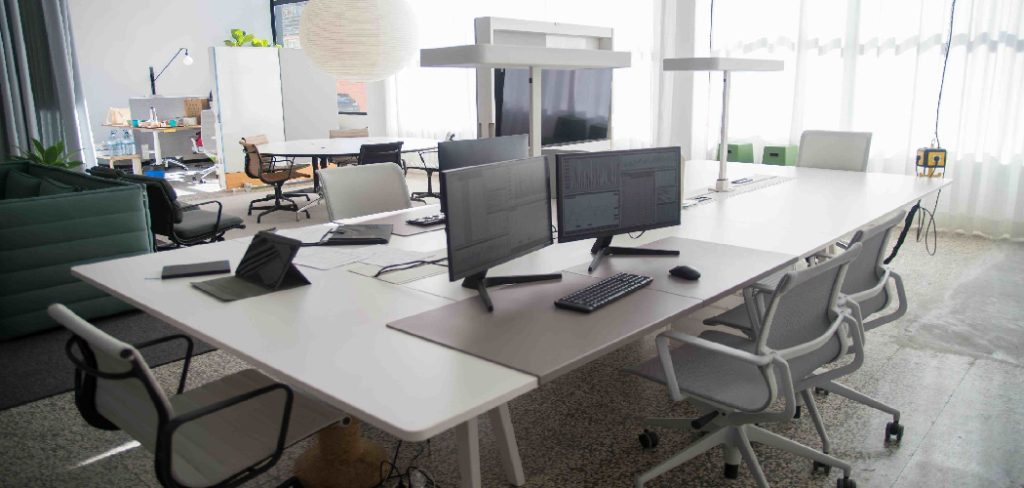
Let’s be honest, transforming a workspace can feel daunting. The temptation is to rush through, settle for whatever’s available, and hope for the best. Yet, the payoff for careful planning isn’t just aesthetic. When you really investigate the options—asking tough questions and, occasionally, doubting the expert advice—you stand a better chance of assembling an environment that supports focus and even reflects the parts of your company’s character you actually like. This guide on how to choose office furniture meanders through what seem to be the important stages, offering a rough, experience-based path to creating a more functional—some might say livable—office.
Assess Your Office Needs First
Before you order anything, pause. What actually happens in your office each day? It’s odd, but job titles rarely tell the whole story. An in-house designer shuffles between sketching, emailing, and jumping into meetings; meanwhile, the accounts team rarely stands up before lunch. One-size-fits-all solutions might sound convenient, but they nearly always disappoint.
Surveys—quick ones, anonymous if you like—can reveal a surprising amount about what works and what doesn’t. Listen for hints of discomfort and requests for changes that crop up repeatedly. Ignore the urgent, flashy trends if they don’t solve an existing problem.
Measure Your Office Space
There’s a special kind of regret reserved for the moment a beautiful desk won’t make it around the last turn in your hallway. It’s easy to misjudge proportions, especially when tempted by the dramatic images in catalogs. Blueprints are helpful if you have them, but a laser tape measure and patience work just as well.
Sketch the outlines, include the quirky nooks, and account for those odd columns or awkward window ledges. Hallways should allow for real walking, not tightrope acts. A graph paper mock-up—or, if you’re so inclined, some free floor plan software—can save you from many headaches. You might even discover you own more space (or far less) than you thought.
Choose Ergonomic Office Chairs
Some truths bear repeating: spending hours in an unsupportive chair is a recipe for pain, distraction, and a slow churn of resignation. No one should have to invent a makeshift lumbar support from a rolled-up sweater. But here’s the catch—’ ergonomic’ means different things to different manufacturers. Don’t let that word lull you into complacency.
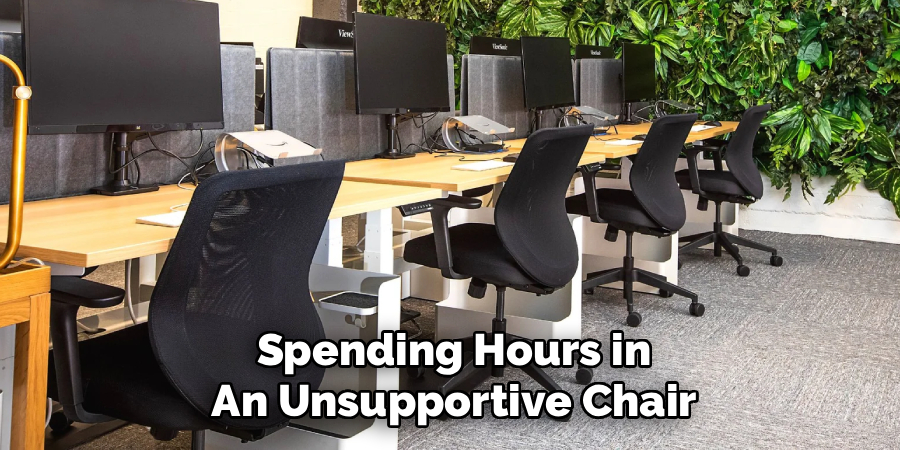
Adjustable armrests and seat height are near necessities, but it’s the underlying support that matters most. Mesh fabrics often breathe better, and solid bases, though unexciting, don’t tip over easily. Spending just a little more on quality seats, as tedious as it sounds, does actually appear to decrease complaints and sick days stemming from back issues. Still, beware of gold-plated features nobody ever uses.
7 Simple Step-By-Step Guidelines on How to Choose Office Furniture
Step 1: Establish a Realistic Budget
Money talks, though it does tend to argue with itself. Hold tight to a budget early—the costs mount quickly once you start adding assembly, shipping, and the inevitable missing screws. It’s easy to be charmed by standout pieces, but most offices find it wiser to focus first on essentials—seating, sturdy desks—rather than spending big on, say, a retro lamp for the entryway. Spreadsheets help, although not everyone relishes building them. If outfitting on a grand scale, bulk orders may tempt you with discounts, though the fine print on returns can be less kind. Let your budget shape your choices, but know it is only one voice in this sometimes unruly process.
Step 2: Prioritize Employee Comfort and Health
Dismissing employee comfort as a luxury is risky—not only does focus fade, but you also inherit a steady stream of complaints and, eventually, doctors’ notes. Ergonomic design, although overpromised by marketers, remains worth your attention. Everything from adjustable sit-stand desks to tilting monitors can help prevent the sore necks and creeping fatigue that sap productivity. Try to notice when discomfort breeds bad habits; hunching, fidgeting, and rituals of escape (e.g., the third coffee by noon) often point to deeper problems. A culture that values well-being is tough to fake, but small, consistent attention to comfort makes a difference over time.
Step 3: Assess the Functional Requirements
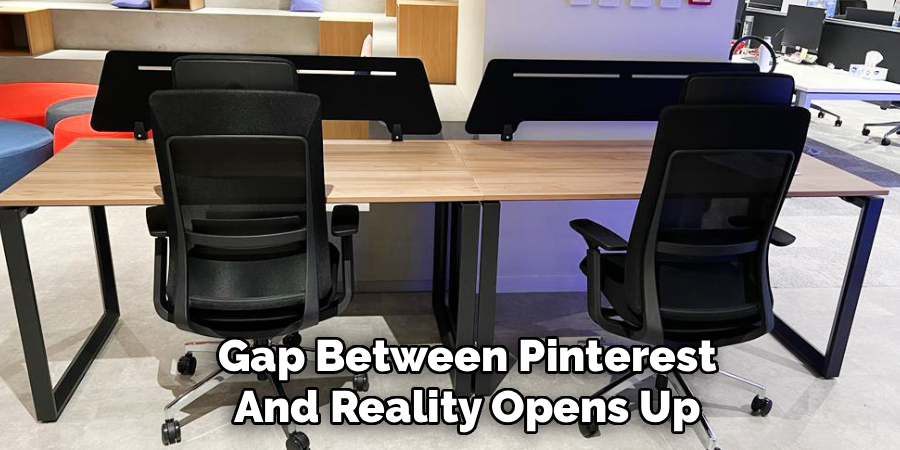
Here’s where the gap between Pinterest and reality opens up. Not every shared space needs a “collaboration nook.” Some teams crave quiet corners rather than touchscreen-equipped brainstorm stations. Map how people use the workspace now, and be wary of forcing interaction where privacy works better. Tech upgrades—hidden cable runs, plenty of outlets—may go unnoticed on a tour, but your IT department will thank you. Style, though persuasive, must yield to substance. Every desk, partition, and cabinet should be there for a reason, not because it fills a page in a brochure.
Step 4: Maximize Your Storage Solutions
Clutter creeps up, gradually eroding both order and morale. Count the number of documents, devices, and personal items actually handled each week—it’s always more than you expect. Vertical storage, like high shelves or wall hooks,s makes sense in rooms where floor space is at a premium, yet don’t overreach with custom cabinetry unless you’re sure of long-term use. Under-desk rolling cabinets offer welcome flexibility, especially for teams that value mobility. Occasionally, unconventional solutions—benches that swallow supplies, for instance—fit just right. Order is not just aesthetic; sustained neatness helps people focus longer and feel less overwhelmed.
Step 5: Align with Brand Aesthetics
Dull, mismatched office furniture says plenty—none of it flattering. The outward style of your space telegraphs intentions and values to visitors and staff alike. Startups gravitate toward bold, clean lines, sometimes to a fault; established firms may default to the gravitas of wood and leather. Resist the urge to copy trending aesthetics unless they serve a purpose. An intentional selection of colors and textures leaves a stronger impression than a forgettable sea of gray. That said, don’t be afraid to sprinkle in quirky or memorable accents if that’s in keeping with your story as a company, but beware of letting personality veer into clutter.
Step 6: Plan for Future Scalability
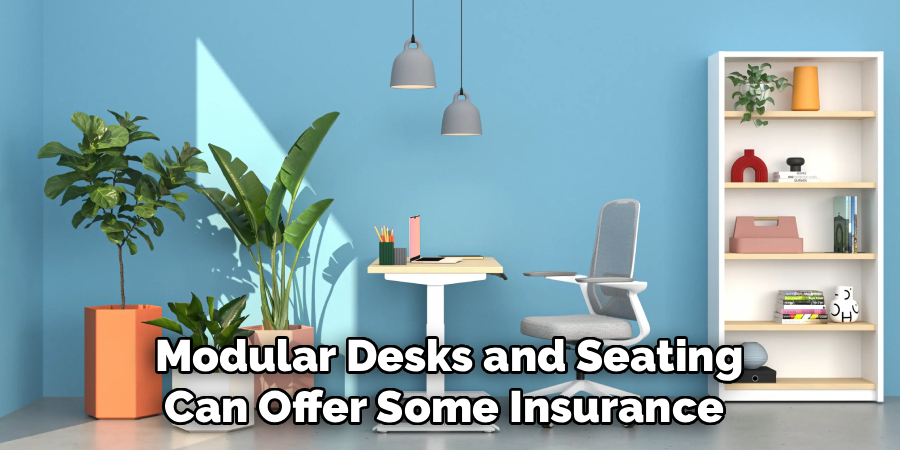
Nobody likes to admit it, but change is inevitable: teams expand, shrink, or shift focus with little warning. What fits perfectly now may feel cramped—or deserted—a few months later. Modular desks and seating can offer some insurance against rapid change. Pieces that snap together or separate as needed allow you to avoid the expensive ritual of complete replacement every hiring cycle. Highly customized items look inflexible in hindsight. Long-term thinking rarely feels urgent, yet the future you will almost certainly be grateful for the extra foresight.
Step 7: Test the Furniture Before Purchasing
Photos rarely tell the whole story. Smooth surfaces might hide wobbly joints, and soft cushions sometimes flatten within weeks. When possible, visit showrooms in person—even brief test drives can reveal a lot about comfort and build. Run your hands along surfaces, test out the adjustments, and check for quality in the places you’d least expect it. For large orders, suppliers may be willing to lend sample pieces. Invite honest feedback from those who will use the new furniture daily; you’ll get blunt responses that fancy catalogs never provide. Involving the team upfront spares both headaches and wasted returns.
Following these steps on how to choose office furniture will not only ensure that you make the right decision for your company, but it will also save you time and money in the long run. As mentioned earlier, office furniture is an investment and should be treated as such. By taking the time to research, assess your needs and budget, and involve your team in the decision-making process, you can create a comfortable and productive workspace for your employees.
Common Mistakes to Avoid
Cable disasters tend to happen silently, only emerging once someone trips—or worse, spills coffee and shorts out three desks at once. Favoring looks over comfort is a classic misstep, one that never yields the envy you might have hoped for from visiting clients. It’s easy to skip warranty details, but repairs (and wordless sighs) come sooner than anyone expects.
Doorways and elevators can thwart even the best plans; measure more than once. Perhaps most importantly, decisions made without input from actual users lead to disappointment. It’s difficult to fix discontent once it settles in.
Maintenance and Durability Tips
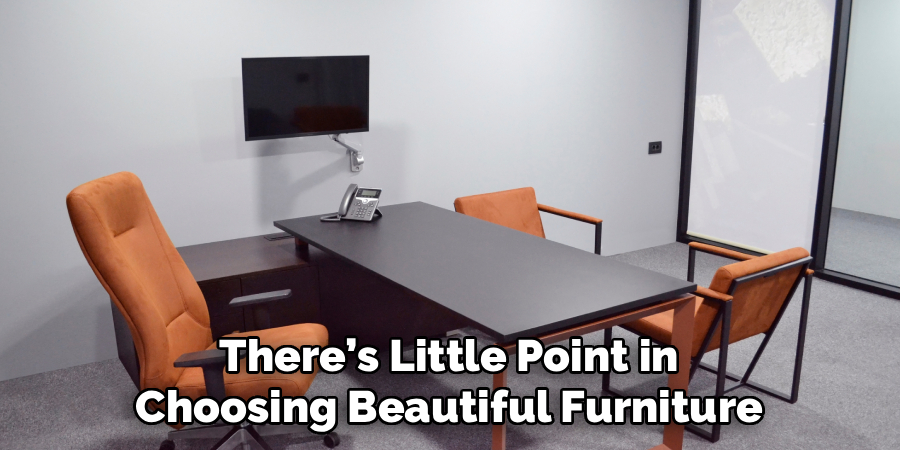
There’s little point in choosing beautiful furniture if it ages badly. Routine cleaning matters—vacuum fabric, wipe down wood or laminate, tackle smudges on glass. Loose screws don’t fix themselves; take a moment now and then to check for wobbles. Sunlight can fade more than just fabric, so rotate and protect as needed.
Coasters for drinks may seem old-fashioned, but water stains linger far longer than memories of minor spills. Show staff how to actually use any adjustable features. Regular care extends both the life and appeal of your workspace, a fact more easily proven than most marketing claims.
Frequently Asked Questions
Q1: How Do I Know If A Chair Is Truly Ergonomic?
The difference between “ergonomic” and genuinely comfortable is in the adjustments—height, lumbar, armrests, tilt. Ideally, your feet rest flat, knees at a right angle. Not every so-called designer chair fits all bodies, so some trial and error pays off. Look for dense foam, real lumbar support, and fabric that won’t feel stifling halfway through the summer.
Q2: What Material Is Best For Office Desks?
Desks are a trade-off. Wood feels substantial, lasts, and has a reassuring heft, but can be expensive and impossible to move alone. High-pressure laminate, the favorite of budget buyers, endures years of coffee mug abuse and cleans up easily. Metal doesn’t suit every taste but stands up to abuse, making it a good pick for spaces that see a lot of activity. Let us—and budget—drive the choice.
Q3: Can I Furnish An Office On A Tight Budget?
Absolutely, though it takes some resourcefulness. Focus your spending where it matters: ergonomic chairs, preferably new, desks and storage from liquidators or well-reviewed used vendors. Decorative touches can wait or be picked up at a bargain over time. Flexibility and patience go further than panic-buying when a deadline looms.
Conclusion
At its core, selecting office furniture is less about today’s shopping and more about a subtle investment in your team’s future—and your own peace of mind. If you approach this with reflection and a hint of skepticism toward glossy promises, you’re more likely to get it right. A space designed to support actual work and real people yields steady returns in creativity, motivation, and loyalty.
The guidelines on how to choose office furniture above won’t guarantee perfection, but they should guide you toward fewer regrets and more satisfied employees. A little thought today, a more effective workspace tomorrow.
