

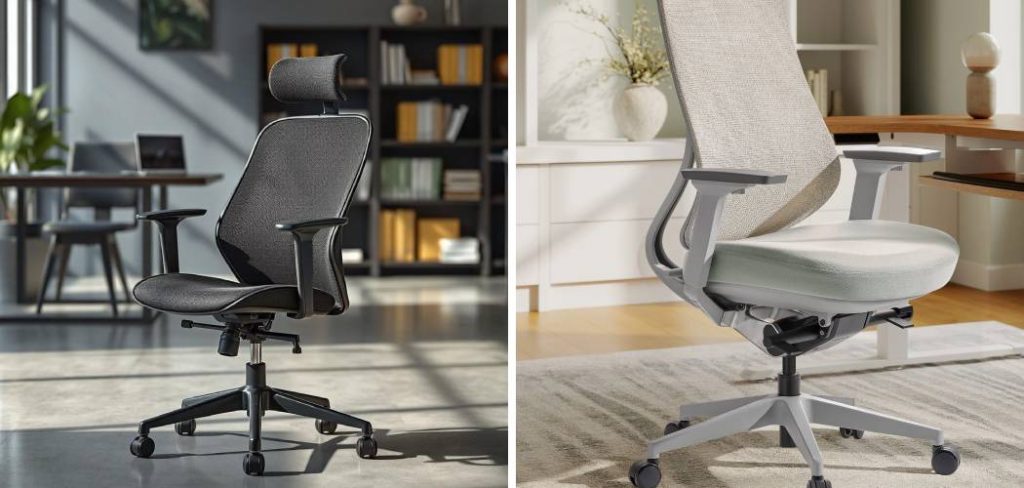
Mesh office chairs are, in theory, a dream for anyone spending too much of the day tethered to a desk: they’re airy, generally supportive, and not aggressively ugly. Of course, that breathability comes at a cost—it’s alarmingly easy for dust, toast crumbs, and, let’s put it plainly, sweat to settle into the mesh. Ignore that mess, and you’ll eventually discover your seat is both smelly and prematurely fraying. So, whether out of pride or pragmatism, it’s worth keeping yours in decent shape.
It doesn’t take much: a handful of supplies you likely already own—and just a little patience. Clean it well and you’ll stretch the life of your chair and keep your workspace free from the sort of grime that makes returning to the office (or your home corner) somewhat dreadful. There’s no magic, but a little know-how goes a long way when the alternative is forking out for a replacement every couple of years. In this guide on how to clean mesh office chair, we’ll cover the basics of keeping your chair clean and comfortable.
Tools and Materials You’ll Need
Let’s make an honest attempt to be organized. Before you start, assemble everything you’ll want within arm’s reach so you don’t wind up with soapy fingers and a mad hunt for a clean rag.
- Vacuum cleaner (make sure it has an upholstery brush, if possible)
- Mild dish soap or any upholstery cleaner that isn’t too harsh
- A soft brush—an old toothbrush will do
- A few microfiber cloths (the cleaner the better)
- Warm water (bowl, bucket, mug—your call)
- Rubbing alcohol or white vinegar, for those stubborn marks
- Compressed air, but this is optional and only if you want to go the extra mile for tight corners
7 Simple Step-by-step Guidelines on How to Clean Mesh Office Chair
Step 1: Vacuum the Mesh Thoroughly
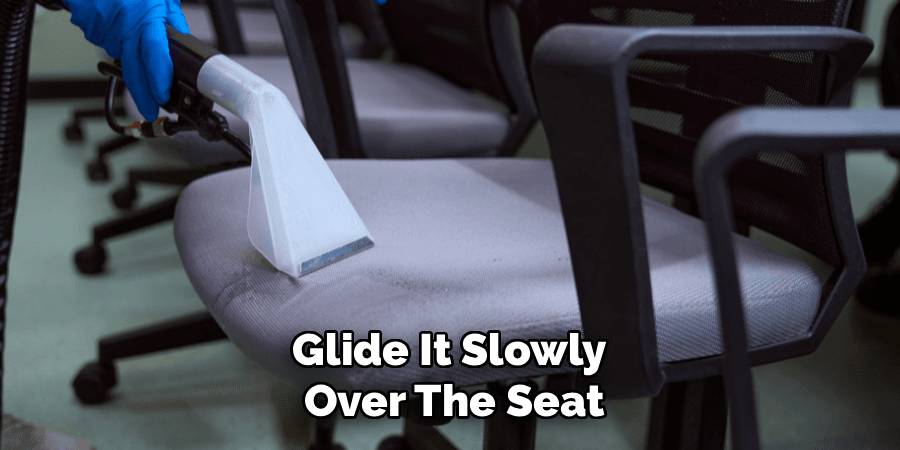
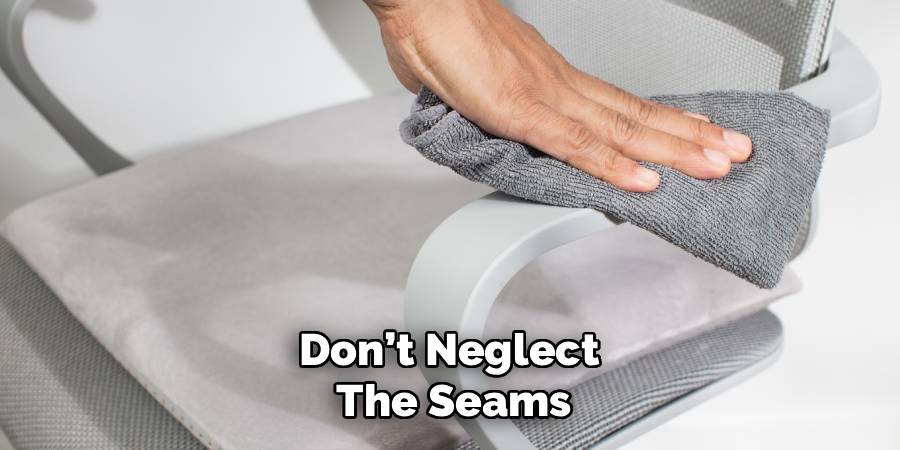
Vacuuming isn’t glamorous, but it sets the stage for everything else. You’ll want to address all the loose debris nestling in the fabric—the granola bar crumbs, skin cells, whatever bric-a-brac has found a home in the mesh over the months. An upholstery brush helps here, but don’t fret if you lack one. The regular hose works in a pinch; just avoid pressing it directly onto the delicate mesh. Glide it slowly over the seat and back. Don’t neglect the seams or those awkward places where mesh meets plastic or metal. Sometimes, pockets of dust hide so deeply that only a blast of compressed air will evict them—tedious, but surprisingly satisfying.
The logic is simple: you’re trying to prevent the damp cleaning stages from transforming dust into an unsavory paste. A thorough pass now will save lots of frustration later, especially when you get to the spot-cleaning.
Step 2: Spot Clean Any Visible Stains
Scan the chair closely now, and you’ll likely spot a few sinister blotches—old coffee splashes, ink trails, and the like. Mix a tiny amount of mild soap into warm water and grab a clean cloth. Gently dab (never scrub) at each mark—pressing too hard frays the mesh, stretching it and ruining its shape. Sometimes a dab won’t do, so for more persistent stains, dilute some white vinegar with water and apply it carefully. Testing your mix in a hidden corner can save you a lot of regret. Strange things sometimes happen with mesh dyes; better to be cautious.
Take your time. Dabbing the stain out fully might mean a few rinses with a clean, damp cloth. Don’t rush: speed breeds water stains and, paradoxically, makes the whole process drag on. Persistence pays off; racing only guarantees you’ll have to repeat this step.
Step 3: Wash the Entire Mesh Surface
After the worst stains are gone, tackle the chair as a whole. Using your soapy water, dampen a microfiber rag until it’s nearly dry. Move systematically across the back and the seat, keeping your motions light and sweeping. Do whatever you can to avoid soaking the mesh, especially on chairs where it’s stretched over foam—excess moisture is a recipe for mildew and a lingering damp smell.
If the sweat marks or grime are especially stubborn, a soft brush in small, gentle circles can help. But don’t dig in with gusto—light pressure preserves the mesh’s elasticity and appearance. Keep an eye on high-contact zones; back and seat edges are always the dirtiest. Careful washing is more about patience and evenness than raw elbow grease.
Step 4: Rinse Away the Soap Residue
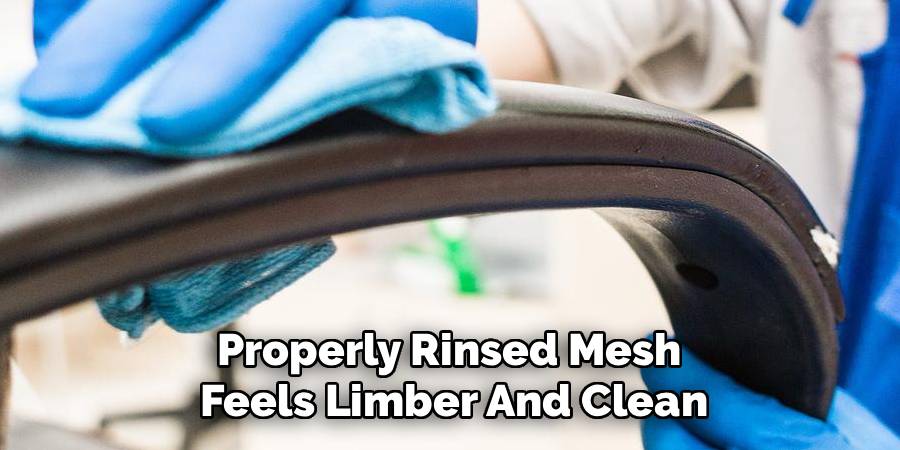
Soap should not linger. Neglecting to rinse risks thoroughly turning your chair into a dirt magnet, trapping residue that quickly turns sticky. With a fresh, damp cloth (this time just plain water), wipe everywhere the soap touched, repeating the action until there’s no sign of suds—rinse your cloth often, or you’ll just smear the soap around instead of removing it.
The payoff is immediate: properly rinsed mesh feels limber and clean rather than filmy or weirdly stiff. For the especially cautious, a dry towel pressed against the seat will reveal if you’ve missed a spot. If you see suds, repeat the wipe-down—tedious, perhaps, but the result is worth the tedium.
Step 5: Clean the Frame and Base
While the mesh dries, shift focus to the non-fabric parts: frame, armrests, base. Surprisingly, the arms and adjustment levers are often the grimiest real estate on the chair, thanks to constant, often unwashed hands. Use a cloth slightly dampened with all-purpose cleaner if needed, and remember to run it along all the nooks—knobs, seams, anywhere crumbs settle.
The wheels are a horror show all their own. Hair and strings wrap around the axles, threatening to lock everything up. It’s fiddly work: use tweezers or scissors if there’s a tangle, then wipe the wheels clean. A quick polish here prevents scratches on your floors and keeps your chair moving as intended.
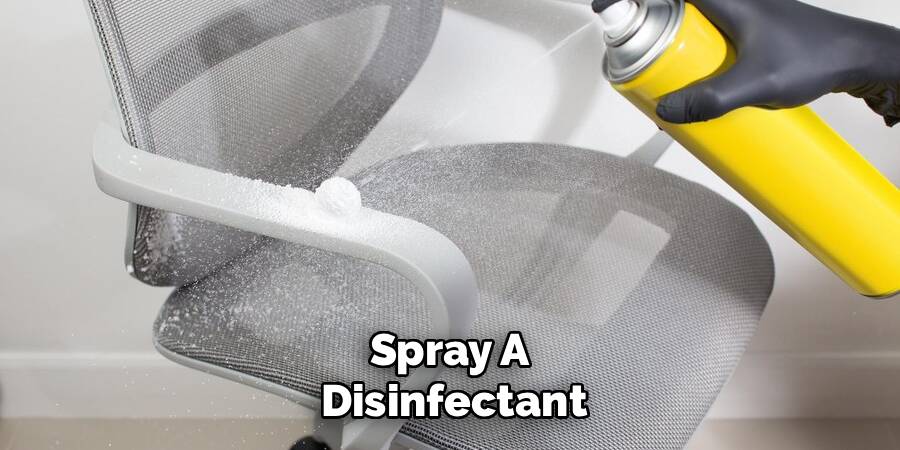
Step 6: Disinfect the Armrests
If you’re going to get sick at your desk, odds are decent it’s from something you touched. The armrests, perpetually grabbed and rarely cleaned, deserve a little attention. Spray a disinfectant on a cloth or use a wipe; really coat those surfaces. Let the liquid sit for a few minutes so the disinfectant actually has time to do its job. Resist the urge to wipe it away instantly.
Afterward, dry the armrests well—especially if they’re upholstered. Disinfectant can cause discoloration or cracking if left to pool on leather, so check your cleaning product’s instructions if your chair has any special finishes. Once a week is likely enough unless your office is a cold-and-flu battlefield.
Step 7: Allow the Chair to Air Dry Completely
Nearly there. Drying, as tedious as it can be, is crucial. Any remaining moisture could stretch out the mesh or, in the worst-case scenario, cause the foam underneath to smell musty. Prop your chair in a breezy room, perhaps near a window or beneath a ceiling fan, and leave it alone. Avoid using aggressive heat; a hairdryer is more foe than friend here, as too much warmth warps plastic and wrecks tension.
Depending on the climate and how conservative you were with liquid, drying could take anywhere from a couple of hours to overnight. As tempting as it may be to reclaim your spot early, patience here saves you a host of headaches. Once everything is dry—really dry—run a hand over the mesh. If it feels taut, smooth, and completely residue-free, you’re done. If not, you might have to repeat a step, but with luck, your hard work has paid off.
Following these steps on how to clean mesh office chair will not only make your chair look brand new, but it can also extend its lifespan. Regular cleaning and maintenance of your mesh office chair can prevent dirt, dust, and grime from building up over time, leading to a healthier and more comfortable working environment.
Common Mistakes to Avoid
People often think “more water, more clean,” but that’s how you wind up with mold lurking underneath the mesh. Bleach or other harsh chemicals? They eat through synthetic fibers, fading colors and slicing years off your chair’s lifespan.
Perhaps you’ve been tempted to really scrub grimy spots—don’t. That’s the easiest way to fray the fabric. And skipping the vacuum entirely sets you up for other annoyances: you’ll turn surface dust into a damp smear that’s nearly impossible to get back out.
Do You Need To Use Professionals?
For most folks, professional help isn’t necessary. Day-to-day messes and coffee spills can be handled with supplies you already own (and a little resolve). Of course, there are exceptions: maybe you’ve inherited a chair with mysterious stains, survived a major spill, or you’re dealing with questionable smells even after deep cleaning.
In those less common situations, a pro with proper extraction equipment may be your best bet. But for the average office worker? Routine upkeep should cover it.
How Much Will It Cost?
Almost nothing, if you’re just using what you have at home—dish soap, a brush, a vacuum. At most, a new brush or some specialty fabric cleaner might run you ten or fifteen bucks. Professional services, on the other hand, can easily set you back fifty to a hundred dollars for a single chair, sometimes more.
Unless your chair has been through extraordinary trauma, the DIY method is gentler on your wallet (and arguably more satisfying).
Frequently Asked Questions
Q1: Can I Use A Steam Cleaner On A Mesh Office Chair?
Generally, steer clear. Most mesh is synthetic and totally unforgiving of high heat; steam can warp, melt, or warp away the tension needed for the seat to remain supportive. If you’re determined to try it, keep the nozzle far from the fabric and use the lowest setting. When in doubt, stick with soap and water.
Q2: How Often Should I Clean My Mesh Chair?
A reasonable approach: vacuum and wipe down the chair every couple of weeks. Plan for a full wash every three to six months—step it up if you’re messy, run warm, or share space with pets. If you snack at your desk, you’ll want to clean up more often. Small sessions save you from disastrous messes down the line.
Q3: How Do I Get Bad Odors Out Of The Mesh Fabric?
If your seat smells… off, try baking soda. Sprinkle a thin, even layer over every mesh surface, let it sit for several hours (overnight if you can stand it), then vacuum thoroughly. The soda naturally absorbs lingering smells, leaving the chair neutral again. No weird after-scents, no chemical residues.
Conclusion
How you care for your chair says something about how you approach your work: attentive to detail, or content with slow decay. Regular cleaning costs nothing but saves effort and money in the long run—not to mention, it makes every workday a tiny bit more pleasant. Don’t wait for sticky stains or science-experiment smells.
Dust off your vacuum, round up that soap, and clear a few minutes this weekend for your future self’s comfort. Thanks for reading this guide on how to clean mesh office chair.

About
Alexis Kerr is a distinguished figure in the world of professional workspace optimization, with a decade of expertise creating innovative and ergonomic office environments. Her professional focus lies in merging organizational psychology with modern spatial design, fostering office setups that are both high-performing and employee-centric. As the lead author for Deskvity, Alexis Kerr delves into the art and science of corporate aesthetics and functionality, inspiring office managers and remote professionals alike.
Education Cornell University
(Ithaca, New York) Bachelor of Science in Design and Environmental Analysis Focus on human factors, workplace strategy, and sustainable interior environments. Gained extensive experience in how physical space influences productivity and mental clarity.
Savannah College of Art and Design (SCAD)
(Savannah, Georgia) Master of Fine Arts in Interior Design Specialized in commercial workspace solutions with a focus on blending digital integration with physical comfort. Participated in high-level industry projects to refine the balance between corporate branding and architectural utility.
Publications and Impact
In Deskvity, Alexis Kerr shares her insights on modern workspace trends, acoustic management, and strategies for efficient layout planning. Her writing bridges the gap between high-level architectural theory and practical day-to-day office needs, making it a must-read for both facility directors and individual professionals looking to elevate their work environment.