

Walking into a well-designed workspace instantly boosts your mood and productivity. Many modern commercial and home workspaces feature architectural divisions that separate different zones without blocking natural light. These partial barriers often leave behind a flat surface that sits empty, collecting dust instead of adding value to your environment. Understanding how to decorate a half wall ledge for office transforms this awkward architectural feature into a stunning focal point.
We will explore practical, beginner-friendly strategies to elevate your professional environment using simple design principles. By the end of this guide, you will know exactly how to balance aesthetics with workplace functionality. Let us dive into the best methods for maximizing your horizontal space to create an inspiring and organized professional atmosphere.
Why Styling Your Office Ledge Matters
Leaving structural surfaces bare represents a missed opportunity to showcase your professional personality and enhance workplace morale. A beautifully styled ledge creates a visual transition between different functional areas, making large open-concept rooms feel much more intentional and grounded. Thoughtful decoration introduces warmth and character, breaking up the sterile feeling often associated with corporate environments.
Beyond mere aesthetics, utilizing this horizontal real estate offers distinct functional benefits for your daily workflow. You gain additional storage space for essential reference materials, award displays, or ambient lighting that reduces eye strain during long shifts. Proper styling draws the eye upward, making ceilings appear taller and the entire room feel significantly more spacious.
Step-By-Step Guide To How to Decorate a Half Wall Ledge for Office
Step 1: Analyze The Space Before Planning
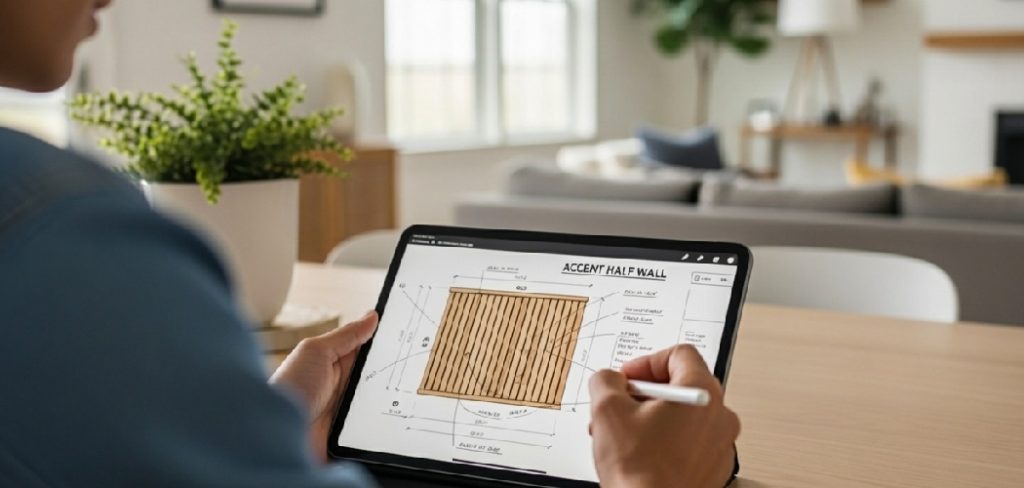
Before buying a single decorative item, you must thoroughly evaluate the physical dimensions of your specific surface area. Grab a reliable measuring tape and record the exact width and length of the flat top section. You need these precise measurements to ensure any items you purchase will sit safely without hanging precariously over the edges.
Take note of the surrounding environmental factors that will influence your design choices. Observe how much natural sunlight hits the surface throughout the day, as this dictates what types of live plants will survive there. Consider the foot traffic patterns around the structure to determine if delicate glass items are safe to display.
Step 2: Clear And Clean The Surface Thoroughly
A successful design project always begins with a completely blank canvas. Remove every single item currently sitting on the structure, including old paperwork, empty coffee cups, and outdated promotional materials. Wiping the slate clean allows your brain to visualize fresh possibilities without being distracted by existing clutter.
Once the surface is empty, use a high-quality microfiber cloth and an appropriate surface cleaner to remove accumulated dust. Dust settles quickly on elevated horizontal planes, and starting with a sparkling clean foundation ensures your new decor looks immaculate. Make this deep cleaning process a regular habit to protect your incoming design investments.
Step 3: Establish A Clear Design Theme
Creating a cohesive look requires committing to a specific design style before you start arranging objects. Look at the existing furniture, wall colors, and overall aesthetic of your current workspace for inspiration. Your ledge display should feel like a natural extension of the room rather than a disconnected afterthought.
If your workspace features modern glass desks and metal file cabinets, lean toward minimalist, geometric decor pieces. For a more traditional setup with rich wood tones, select classic items like leather-bound books and brass accents. Establishing this stylistic rule prevents you from buying mismatched items that create visual chaos instead of professional harmony.
Step 4: Choose The Right Foundation Pieces
Every well-designed display needs heavy, substantial items to anchor the arrangement and provide visual weight. Books make excellent foundation pieces because they are structurally solid, perfectly rectangular, and highly professional. Stack two or three thick, industry-related hardcover books horizontally to serve as elevated bases for smaller decorative objects.
You can also use sturdy ceramic vases or heavy decorative boxes as your primary anchor items. Position these larger pieces near the ends of the surface to frame the overall composition effectively. Establishing a strong foundation prevents the final arrangement from looking flimsy or cluttered with too many tiny trinkets.
Step 5: Incorporate Natural Elements Strategically
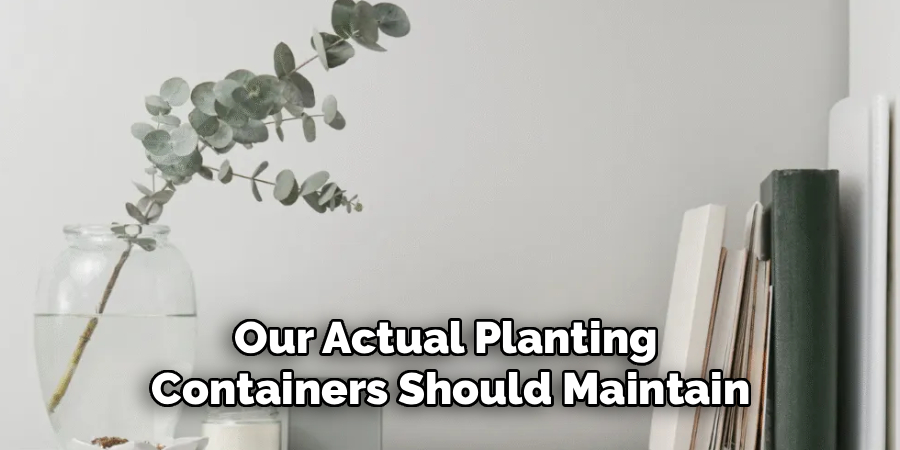
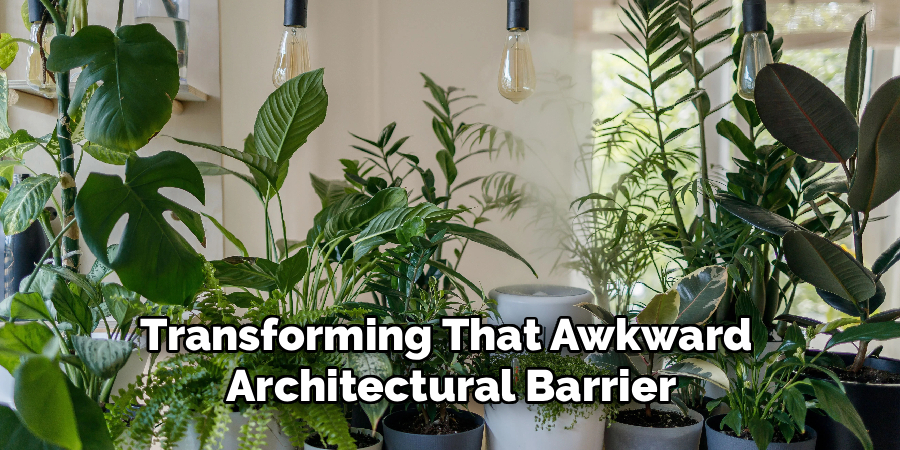
Bringing elements of the outdoors inside dramatically reduces workplace stress and purifies the stagnant indoor air. Potted greenery adds vibrant color and soft, organic shapes that beautifully contrast with the rigid straight lines of commercial architecture. Select low-maintenance varieties like pothos, snake plants, or ZZ plants that thrive under standard fluorescent ceiling fixtures.
If you lack the time for watering schedules, high-quality artificial plants provide the same visual benefits without any maintenance requirements. You can also incorporate natural textures by displaying interesting pieces of driftwood, smooth river stones, or woven rattan storage baskets. These organic elements instantly soften the corporate atmosphere and make the environment feel significantly more welcoming.
Step 6: Proper Illumination Highlights Lighting
Proper illumination highlights your carefully chosen decor and adds necessary warmth during gloomy afternoons or late evening shifts. Small, battery-operated LED lamps are perfect for these surfaces because they eliminate the need for ugly power cords draping down the sides. Place a small ambient light source near the center or at one end to cast a gentle, inviting glow.
Avoid using harsh, cool-toned white bulbs that replicate the sterile feeling of a hospital waiting room. Instead, opt for warm white or soft amber lighting to create a calm, focused atmosphere that promotes deep concentration. Layering this localized light source with your standard overhead fixtures creates a dynamic, visually interesting environment.
Step 7: Arrange Items By Height And Scale
Creating visual interest requires a delicate balance of varying heights, shapes, and textures along the horizontal plane. Never line up objects of the exact same height like soldiers in a row, as this looks incredibly static and boring. Instead, use the classic design rule of triangles by placing a tall item next to a medium item and a short item.
Group smaller pieces together in odd numbers, specifically clusters of three or five, to create appealing visual vignettes. Leave intentional empty gaps, known as negative space, between these groupings to give the arrangement room to breathe. Proper spacing ensures the surface looks purposefully styled rather than resembling a crowded storage shelf.
Frequently Asked Questions
Can I Place Heavy Items On A Pony Wall Ledge?
You must always verify the structural integrity of your architectural features before placing substantial weight on them. Most standard interior dividers are framed with wooden studs and capped with drywall or a basic wood trim piece. While they easily support books, small plants, and lamps, you should avoid placing heavy aquariums or large stone sculptures on them. If you hear creaking or notice the top cap shifting when you apply pressure, stick to very lightweight decorative items to prevent property damage.
What Are The Best Plants For An Indoor Workspace Ledge?
Selecting the right greenery depends entirely on your specific lighting conditions and your commitment to watering. Snake plants and ZZ plants are incredibly resilient options that tolerate both low light and infrequent watering schedules perfectly. If your surface sits directly beneath a bright window, consider succulents or a vibrant pothos plant that can beautifully trail down the side. Always use pots with solid, sealed bottoms to prevent muddy water from leaking out and ruining your painted surfaces or wood finishes.
How Do I Keep Items From Falling Off The Edge?
Safety should always remain your top priority when styling elevated horizontal surfaces in a busy professional environment. Apply small dots of clear museum wax to the bottom of fragile vases, framed photos, and ceramic pots. This inexpensive wax creates a firm, invisible bond that prevents items from tipping over if someone accidentally bumps into the structure. You should also ensure that every object sits completely flat on the surface without hanging over the front or back edges.
Should I Match The Decor To My Desk Accessories?
Creating a cohesive visual experience dramatically improves the overall professional feel of your daily workspace. You do not need to match every single item perfectly, but tying the colors and materials together creates a unified aesthetic. If your desk features matte black metal organizers and walnut wood accents, repeat those exact materials in your elevated display. This subtle repetition tricks the brain into viewing the entire room as one intentionally designed suite rather than a collection of random parts.
How Do I Hide Cords If I Use Electronic Decorations?
Managing ugly power cables is often the most frustrating part of setting up electronic displays on floating architectural features. The easiest solution involves switching exclusively to rechargeable or battery-operated lamps and digital clocks to eliminate cords entirely. If you must use plugged-in devices, secure the cables flat against the back edge of the surface using clear adhesive wire clips. You can cleverly disguise the remaining visible wire drops by placing a tall potted plant or a stack of books directly in front of the outlet path.
Conclusion
Elevating your professional environment does not require a massive renovation budget or an interior design degree. By following the fundamental rules of scale, texture, and organization, you can easily turn an awkward structural barrier into a beautiful focal point. You enhance your daily comfort and impress visitors by keeping the surface clean, well-lit, and intentionally styled.
Do not let your vertical space go to waste by treating it as a dumping ground for random office supplies. Take action today and apply everything you learned about how to decorate a half wall ledge for office to upgrade your space. Start gathering your favorite books, plants, and lamps right now to build an inspiring workspace that fuels your best work.
