

You sit down at your desk, ready to tackle your daily tasks. You push away from your desk to grab a document, but instead of gliding smoothly, your chair aggressively drags across the floor. You lean down and discover the culprit: a massive, tangled knot of hair wrapped tightly around your caster wheels.
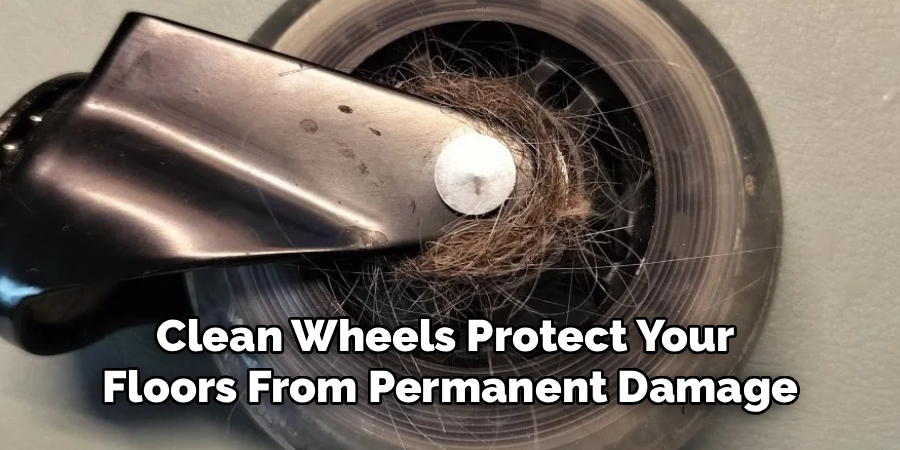
Dealing with stuck chair wheels is a common frustration for anyone who works from home or shares an office space with pets. Over time, casters sweep up shed hair, carpet fibers, and dust, spinning them into tight webs around the axles.
This guide on how to get hair out of office chair wheels will walk you through restoring your chair’s smooth glide with simple items you already have around the house.

What Are the Benefits?
Taking the time to clean your caster wheels provides several immediate and long-term advantages.
First, removing hair restores the smooth rolling motion of your chair. This prevents you from straining your back or legs when you try to scoot across your office. An ergonomic workspace requires equipment that moves fluidly with your body, and stuck wheels completely disrupt that flow.
Second, clean wheels protect your floors from permanent damage. When wheels jam and stop turning, they drag roughly across the ground. This dragging action creates deep scratches on hardwood floors, tears up carpet fibers, and leaves ugly scuff marks on laminate surfaces.
Finally, regular maintenance significantly extends the lifespan of your chair. When hair wraps around the axle, it creates intense friction that slowly grinds down the plastic and metal components. By keeping the mechanisms free of debris, you save yourself the cost and hassle of replacing the casters or the entire chair down the line.
What Will You Need?
Before you begin the cleaning process, gather your supplies. You likely already own everything required to get the job done right.
- A pair of tweezers
- Small scissors or a utility knife
- A flathead screwdriver
- Duct tape
- A damp microfiber cloth
- Lubricant
- Old newspaper or a drop cloth
10 Easy Steps on How to Get Hair Out of Office Chair Wheels
Follow this systematic process to clear out the hair and grime safely.
Step 1: Prepare Your Workspace
Lay down a few sheets of old newspaper, an old towel, or a plastic drop cloth on the floor. Cleaning caster wheels can get messy, especially when you start dislodging greasy clumps of dust and hair. Protecting your workspace ensures you do not transfer old grease onto your carpet or clean hardwood floors. Gather all your tools and place them within arm’s reach.
Step 2: Flip the Chair Over
Carefully turn your office chair upside down so the base faces the ceiling. If your chair is heavy, ask someone to help you lift it. You can rest the seat on the edge of a desk or lay it flat on the floor, depending on the chair’s design. Ensure the chair feels stable so it does not tip over and injure you while you work on the base.
Step 3: Remove the Casters (If Possible)
Most office chair wheels simply pop out of their sockets with a firm tug. Grip the base of the wheel firmly and pull straight up. If the wheel feels stuck, you can gently wedge your flathead screwdriver between the caster and the chair base to pry it loose. Removing the wheels gives you better visibility and leverage, though you can still clean them if they do not detach.
Step 4: Pick Out the Loose Hair
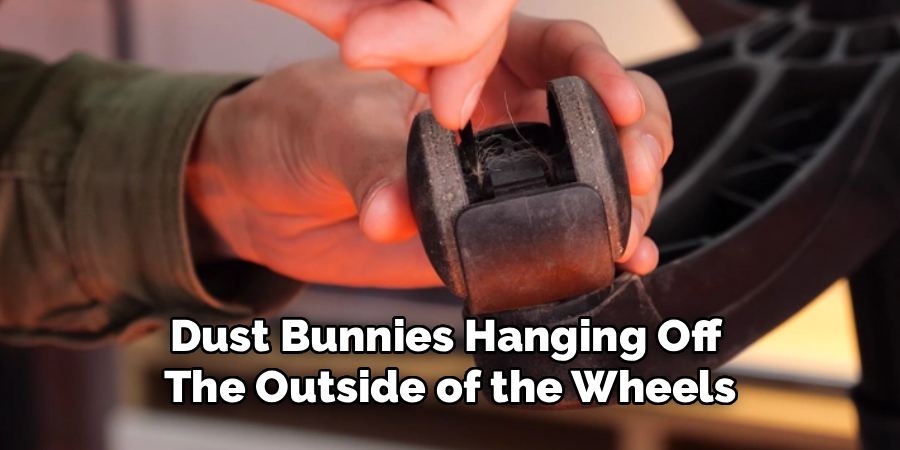
Start with the easiest debris. Use your fingers to pull away any large, loose clumps of hair and dust bunnies hanging off the outside of the wheels. Discard this material immediately into a trash can so it does not blow around your room. Clearing the surface layer allows you to see exactly where the worst tangles wrap around the central axle.
Step 5: Cut Through the Tightly Wound Hair
Take your utility knife, craft knife, or small scissors and carefully slide the blade under the thick bands of hair wrapped around the wheel axle. Cut across the hair fibers, being incredibly careful not to slice into the plastic wheel itself. You may need to rotate the wheel slowly and make multiple cuts to break through particularly thick, stubborn knots.
Step 6: Use Tweezers for Stubborn Strands
Once you cut through the main clumps, grab your pointed tweezers. Pinch the severed ends of the hair and pull them out of the tight gap between the wheel and the housing. Work your way around the axle, pulling out small pieces at a time. The tweezers allow you to reach deep into the crevices where your fingers simply cannot fit.
Step 7: Apply the Duct Tape Trick
Even after plucking away the visible strands, tiny fibers often remain trapped inside. Cut a small piece of duct tape and fold it so the sticky side faces out. Slide the tape down into the narrow gaps around the axle and rotate the wheel. The strong adhesive catches microscopic hairs, pet dander, and fine dust that your tools left behind.
Step 8: Wipe Down the Casters
Now that the hair is gone, you need to remove the greasy grime that binds the dirt together. Take your damp microfiber cloth and wipe down the entire surface of the wheel, paying special attention to the inner housing and the axle. If the wheels feel particularly sticky, you can add a tiny drop of mild dish soap to the damp cloth to break down the grease.
Step 9: Lubricate the Wheel Axles
After thoroughly cleaning and drying the wheels, apply a high-quality lubricant to keep them spinning smoothly. Spray a quick burst of silicone lubricant or WD-40 directly onto the metal axle of each wheel. Avoid using heavy grease, as thick substances act like a magnet for new hair and dust. Spin the wheel a few times to distribute the lubricant evenly across the metal.
Step 10: Reassemble and Test the Chair
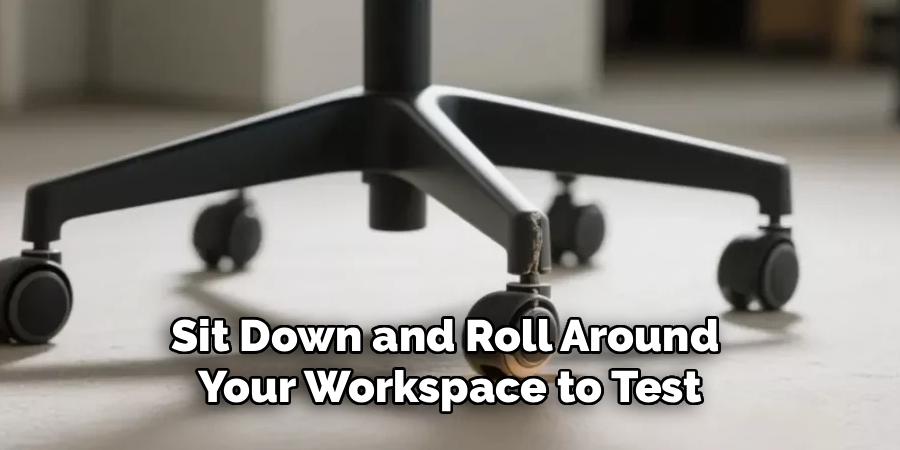
Wipe away any excess lubricant with a clean rag so it does not drip onto your floor. Firmly push each caster back into its socket on the chair base until you hear a satisfying click. Flip the chair back over into its upright position. Sit down and roll around your workspace to test the movement. The chair should glide effortlessly across the floor.
By following these simple steps, you can easily fix a squeaky office chair and improve your overall workspace.
5 Things You Should Avoid
While cleaning your chair wheels is straightforward, certain mistakes can cause permanent damage to your equipment. Keep these warnings in mind:
First, avoid using harsh liquid chemicals or drain cleaners to dissolve the hair. These highly corrosive liquids will melt the plastic housing and degrade the rubber components of your wheels.
Second, never forcefully pry the wheels with large crowbars or heavy tools. If a caster does not pop out with a firm tug or gentle screwdriver leverage, clean it while it remains attached to the base.
Third, avoid skipping the lubrication step. Cleaning strips away the old factory grease, leaving the dry metal parts to grind against each other.
Fourth, do not use heavy mechanical grease or petroleum jelly as a lubricant. These thick gels immediately attract fresh dirt and will create an even bigger, stickier hairball in just a few weeks.
Finally, try to avoid ignoring the problem when the chair starts to drag. The longer you wait, the tighter the hair wraps around the axle, making the eventual cleaning process much more difficult.
Frequently Asked Questions
1. Can I Use Chemical Hair Dissolvers on Chair Wheels?
No, you should never apply chemical hair dissolvers to your office chair. These industrial liquids contain highly acidic or basic formulas designed for heavy plumbing pipes. Applying them to casters will instantly begin melting the plastic housing. The chemicals will also eat away at the metal axle and rust the bearings. Stick to manual removal methods to keep your chair intact.
2. How Often Should I Clean My Office Chair Wheels?
You should aim to clean your chair wheels about once every six months to maintain optimal performance. However, if you share your home office with pets that shed frequently, you may need to clean them every three months. Pay close attention to how the chair moves during your daily routine. The moment you notice friction or a dragging sensation, it is time for a quick maintenance session.
3. Will Cutting the Hair Damage the Rubber on My Casters?
Cutting the hair is perfectly safe as long as you maintain a slow, steady hand and use the correct tools. Always angle the blade of your utility knife upward, pointing away from the soft surface of the wheel. Avoid pressing the sharp edge directly against the rubber or plastic components. Take your time making small, shallow slices rather than forcefully hacking at the tangle.
Conclusion
A sticky, dragging office chair disrupts your productivity and threatens the lifespan of your expensive flooring.
By learning how to get hair out of office chair wheels properly, you take control of your workspace comfort. Gathering a few household tools and dedicating twenty minutes to this simple maintenance routine pays off drastically. Remember to use sharp tools carefully, thoroughly extract the hair with tweezers, and finish with a light silicone lubricant.
Take action today, clear out those tangled casters, and enjoy the feeling of gliding effortlessly around your office once again.
