

A shaky, stubborn office chair does more than annoy—it derails your focus, and those gouges in your flooring aren’t going anywhere. Yet, the solution? It’s almost laughably simple. Swapping out worn, rattling wheels for new ones rarely takes more than ten minutes, and the reward—a chair that slides without effort—feels like a small luxury.
No need to call in a repair tech. Don’t bother scouring the web for a new chair when a five-pack of casters will do. Below, I lay out what’s actually required, a few hiccups to anticipate, and yes, reassurance that you don’t need a workshop or fancy gadgets to get this done. In this guide on how to replace casters on office chair, we’ll cover everything you need to know to make the switch.

Signs It’s Time to Replace Casters
Chairs, as you may have noticed, rarely announce their decline with anything more than a faint squeal or sluggish roll. Sometimes, the change creeps in. What was an easy glide across the room now demands grunting and pushing.
Anyone who’s noticed stubborn tracks or—worse—dark marks running along their wood or laminate flooring knows what’s coming next. Squeaks, grinds, maybe even a little popping sound when you shift in your seat, often mean the internal pieces have packed it in. At that stage, continuing to endure the misery doesn’t do you or your floor any favors.
Types of Office Chair Casters
You wouldn’t expect the world of office chair wheels to be so particular, but there is a reason behind the choices. Wheels made of hard nylon or brittle plastic? Those belong on carpets—flat, looped, tight weaves, mostly. Put those on your polished wood floor, and you’ll soon regret it. Softer casters, which tend to have a layer of rubber or a polyurethane skin, offer mercy to hard surfaces.
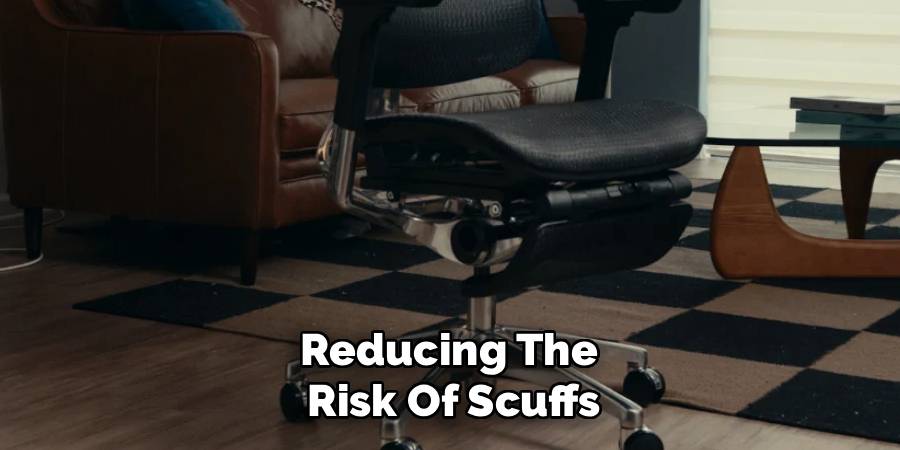
They’ll grip the surface, reducing the risk of scuffs. The rollerblade models—a favorite among people with noise-sensitive households or open-concept offices—barely make a whisper and seem to handle just about anything underfoot, from laminate to tile to thin carpet.
Tools and Materials You’ll Need
To complete this project, you will need the following tools and materials:
- Measuring tape or ruler
- Pencil
- Screwdriver (flathead or Phillips)
- Drill with screw bit (optional)
- Hammer (if using nails instead of screws)
- Level
- Stud finder (if hanging shelves or cabinets on walls)
- Wall anchors (if needed)
- Screws or nails
- Wood glue (if joining pieces of wood together)
In addition to these tools, it is also important to have a clean and organized workspace. This will make measuring and cutting materials easier and ensure a neat result.
7 Step-by-step Guidelines on How to Replace Casters on Office Chair
Step 1: Prepare Your Workspace and Gather Tools
First, you’ll want a patch of floor big enough to flip the chair without knocking into anything fragile. Lay down whatever protective layer you’ve scrounged (a battered comforter, cardboard sheet, or even an old curtain will do). The point isn’t aesthetics; it’s to avoid adding dents to your furniture. Assemble what you need—new wheels, screwdriver, possibly gloves, and a cleaning rag. The more you can keep within reach, the less you’ll be searching aimlessly midway through.
Step 2: Turn the Office Chair Upside Down
Here’s a bit that feels odd, but it’s unavoidable. Grip the chair—armrests or lower back, whatever’s sturdy—and gently tip it until the wheels are skyward. Any blanket or mat underneath will save the fabric or vinyl. High-back chairs can be a little unwieldy when flipped; don’t rush and make sure it’s settled before you let go. If your chair wobbles, shift the angle just enough to find a sweet spot. A stable chair, believe it or not, makes everything in the next steps possible.
Step 3: Remove the Old Casters from the Base
Theoretically, wheels should pull out with a firm upward yank, especially if they’re the standard grip-ring kind (friction does the holding; there’s usually a spring clip to resist). Sometimes they’re agreeable; sometimes, they cling for dear life. If you encounter resistance, wedge the tip of your screwdriver between the wheel’s top and the chair’s base, pry softly, and don’t get aggressive—the plastic isn’t indestructible. Usually, you’ll hear a pop, and out it comes. Repeat until your base is free of all casters.

Step 4: Clean the Wheel Sockets and Base
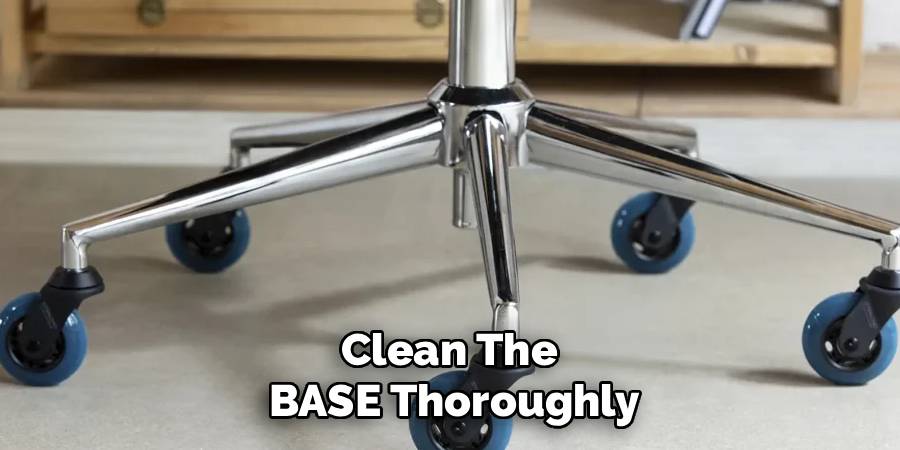
Don’t rush to put new wheels in just yet. Glance at those now-empty sockets. Dust, lint, occasional animal fur—these gather in crevices where wheels used to spin. Take the rag; moisten it just enough, and clean the base thoroughly. Pay attention to the holes. Residue left behind can throw off alignment and make your brand-new casters sit crooked. Honestly, it takes maybe two minutes, but it’s worth every second for a smooth installation.
Step 5: Inspect the Base for Any Hidden Damage
Now is the ideal moment to look for less obvious problems. Dings or cracks often hide at the base, near where the casters connect. Press gently around each socket; they should feel solid, not bend with pressure. Misshapen, sagging, or elongated holes—signs of wear that bode poorly for any repair—could mean the chair’s near retirement. Sometimes, no amount of new hardware can solve deeper issues. But if the base feels intact, keep going.
Step 6: Insert the New Casters into the Sockets
Hold a caster so its stem is perfectly lined up with the hole. Push it straight in—steady pressure, not frantic force. You’ll often notice a snap or click, proof that the grip ring and socket have made peace. If a wheel resists, sometimes a soft tap from a rubber mallet does the trick. Please, though, avoid metal hammers; those tend to do more harm than good, either to the wheel or the chair. Just make sure the wheel sits flush with the base before you move along to the next one.
Step 7: Test the Chair for Smooth Movement
With all five (or however many your chair uses) new casters installed, tip the chair right-side up. Press down on the seat—hard enough to make sure nothing wiggles or feels loose. Now, sit. Roll in a full circle. Does the chair glide, turn, and maneuver without catching? If so, you’re done. If not, double-check that every stem is fully seated.
Following these steps on how to replace casters on office chair, you should now have a smooth-rolling chair that won’t cause any frustration or discomfort. However, it’s always essential to periodically check and maintain your office chair to ensure its longevity and proper functioning.
Tips for Better Performance
The satisfaction of effortless movement is worth it, but only if you use the right sort of wheels on your particular floor. Those with thick carpets may get away with cheaper plastics (add a floor mat to save your back).
Anyone with exposed flooring—wood, tile, linoleum—should opt for rubber or polyurethane casters. Small stones or crumbs have a knack for scratching soft wheels, so sweep or vacuum often. Not every office needs a mat, but sometimes it’s the only answer for tricky surfaces.
Common Mistakes to Avoid
Measurements, measurements—people ignore them at their own peril. Buy casters with stems that fit your chair’s base: too fat, and they simply won’t go in; too slim, and you’ll be chasing wheels across the floor. Skip the cleaning step, and the fit will be uneven from the start.
As tempting as brute force with a wrench or hammer might seem, that’s usually how people break their chair bases entirely. And a final note: don’t put hard wheels on your hardwood floors—unless scratches and instant regret are part of your design vision.
Maintenance Tips for Longevity
A little attention every couple of months can stretch your investment. Once in a while, flip the chair and snip away tangled hair or strings with scissors. Wheels coated with sticky gunk? Dampen a cloth and give them a quick wipe.
No need to drench—just enough to restore movement. If swivel joints start to groan, a single drop (not a splash) of silicone lubricant at the stem usually solves it.

When to Replace the Entire Chair Instead?
Of course, fresh wheels aren’t a cure-all. Sometimes, the real culprit is deeper—cylinders that sag when you sit, backrests with no give, or a base that visibly cracks. If your seat feels flat as a pancake or the lumbar support is a distant memory, you’re due for an upgrade.
There comes a point where a full replacement, uncomfortable as it might sound, is the sensible path—especially if your health or posture is on the line.
Frequently Asked Questions
Q1: Can I Use Any Casters On My Office Chair?
No, not just any wheel is a sure fit. Standard chairs typically use a grip-ring stem—7/16″ diameter by 7/8″ long is the norm, but always check. Some big-box brands (IKEA springs to mind) go for narrower, metric stems, so break out the ruler or call customer service if you’re unsure.
Q2: How Do I Measure Office Chair Casters?
Best to remove one of your current wheels and actually measure. A caliper is nice, but a ruler and a steady hand suffice. You want the thickness of the metal stem (diameter) and how long it is (length from tip to the point where it meets the housing). No guesswork—precision here saves trouble later.
Q3: Will Rollerblade Casters Damage Hardwood Floors?
If anything, rollerblade-style wheels are safer for wood than most traditional hard plastics. The soft polyurethane shell absorbs impact and minor bumps, so you won’t see those dreaded gouges or black marks. In fact, many people who switch say they finally ditched ugly floor mats for good.
Conclusion
Fixing up your chair’s wheels is hardly the most glamorous task, but few things do more for comfort and mood—especially when you’re glued to your desk for hours. You’ll sidestep scraped floors and grating squeaks, and rediscover the small joy of gliding from one end of your workspace to the other.
Measure, check your parts, keep your tools close, and the rest is smooth sailing—quite literally. Thanks for reading this guide on how to replace casters on office chair.

About
Alexis Kerr is a distinguished figure in the world of professional workspace optimization, with a decade of expertise creating innovative and ergonomic office environments. Her professional focus lies in merging organizational psychology with modern spatial design, fostering office setups that are both high-performing and employee-centric. As the lead author for Deskvity, Alexis Kerr delves into the art and science of corporate aesthetics and functionality, inspiring office managers and remote professionals alike.
Education Cornell University
(Ithaca, New York) Bachelor of Science in Design and Environmental Analysis Focus on human factors, workplace strategy, and sustainable interior environments. Gained extensive experience in how physical space influences productivity and mental clarity.
Savannah College of Art and Design (SCAD)
(Savannah, Georgia) Master of Fine Arts in Interior Design Specialized in commercial workspace solutions with a focus on blending digital integration with physical comfort. Participated in high-level industry projects to refine the balance between corporate branding and architectural utility.
Publications and Impact
In Deskvity, Alexis Kerr shares her insights on modern workspace trends, acoustic management, and strategies for efficient layout planning. Her writing bridges the gap between high-level architectural theory and practical day-to-day office needs, making it a must-read for both facility directors and individual professionals looking to elevate their work environment.