

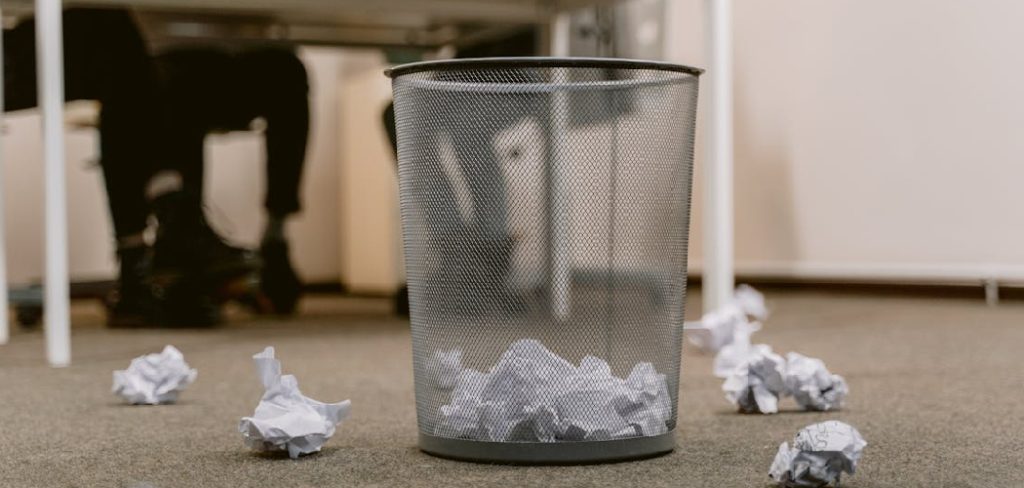
A messy workspace quickly drains your daily energy and reduces your overall productivity. When overflowing bins and scattered papers dominate your floor plan, focusing on important tasks becomes incredibly difficult. You spend your valuable time navigating around clutter instead of doing meaningful work. Managing waste might seem like a minor detail in the grand scheme of running a business, but it directly impacts team morale and workplace hygiene.
Establishing a proper system eliminates these daily frustrations and creates a healthier professional environment. Many people struggle with waste management because they lack a clear, actionable strategy. Fortunately, mastering how to organize trash can in office requires only a small investment of time and planning. We know that tackling office organization feels overwhelming for beginners, but applying a few smart techniques transforms your chaotic rooms into pristine, efficient spaces. By the end of this article, you will have the knowledge you need to overhaul your current setup and maintain a spotless workspace with minimal effort.
Why Organize Trash Can In Office Matters
Ignoring your waste management system leads to immediate negative consequences for everyone in the building. A disorganized setup creates foul odors, attracts unwanted pests, and leaves a terrible impression on visiting clients. When bins overflow or lack proper sorting categories, employees toss recyclables into the general waste. This poor habit harms the environment and often increases your commercial disposal costs.
Taking control of your waste setup provides immense professional benefits. First, a structured disposal system vastly improves workplace hygiene by containing organic waste and minimizing bacterial growth. Your team stays healthier, which reduces sick days and keeps projects moving forward. A clean floor plan also boosts mental clarity. Employees feel much more respected and valued when they arrive at a spotless, well-maintained building every morning.
Step-By-Step Guide To How to Organize Trash Can in Office
Step 1: Understand Evaluate the Specific Wast
Before buying new supplies, you must evaluate the specific waste habits of your team. Walk through your building and note where people currently throw away their items. Look inside the existing bins to see what materials take up the most space. You might find that the breakroom generates heavy food waste while the printing station produces mountains of paper. Documenting these patterns helps you determine exactly what size and type of containers you need. This initial audit serves as the foundation for your entire upgrade project.
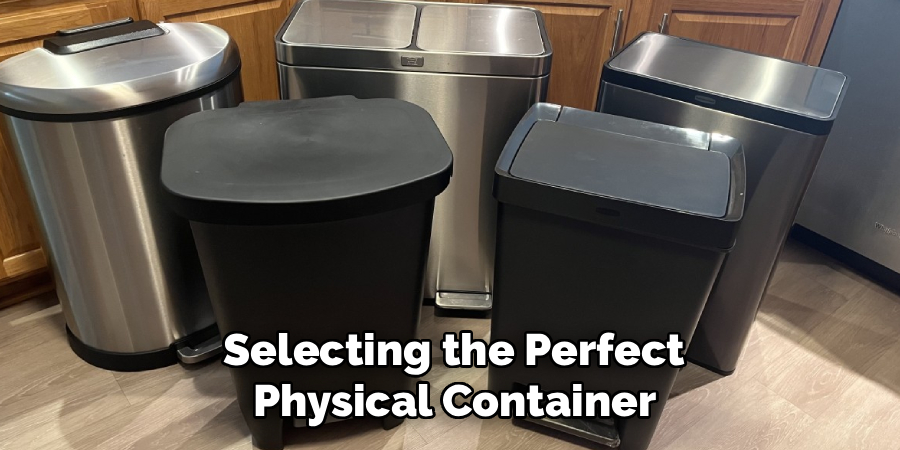
Step 2: Choose The Right Bins For Your Space
Purchasing the correct containers prevents future capacity issues and aesthetic disasters. Avoid buying small, flimsy baskets that require constant emptying throughout the day. Instead, invest in durable, commercial-grade receptacles with secure lids to trap odors inside. Select colors that match your interior design while still standing out enough to be easily located by your staff. Ensure the containers are large enough to handle a full day of typical waste without spilling over the edges. High-quality bins last for years and instantly upgrade the look of your rooms.
Step 3: Create Clear Labels And Signage
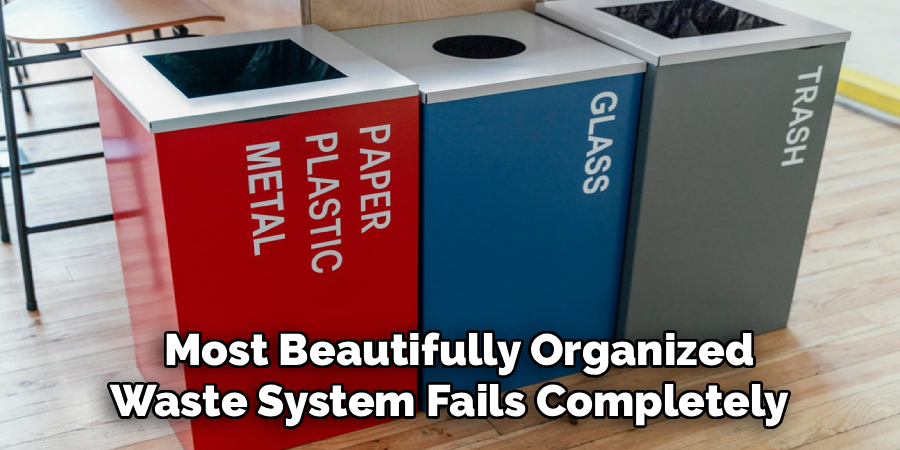
Even the smartest layout fails if your employees do not know where to put their items. Print large, highly visible labels indicating exactly what belongs in each specific container. Place these signs at eye level right above the station so nobody has to guess where to toss their coffee cup. Use simple words and clear pictures to accommodate everyone quickly and effectively. Consistency remains the key to success here. When you clearly mark the destinations for paper, plastic, and general waste, your sorting accuracy skyrockets immediately.
Step 4: Implement Rules For Organize Can In Office
Strategic placement dramatically increases the effectiveness of your new system. Never hide your main receptacles in dark corners or behind heavy doors where people cannot easily access them. Position your central stations in high-traffic areas like the main kitchen, the central hallway, and near the primary exit doors. Place dedicated paper bins directly next to the copy machines and mailrooms. Making disposal convenient encourages everyone to follow the rules naturally. When doing the right thing takes zero extra effort, your team will comply without hesitation.
Step 5: Remove Individual Under-Desk Bins
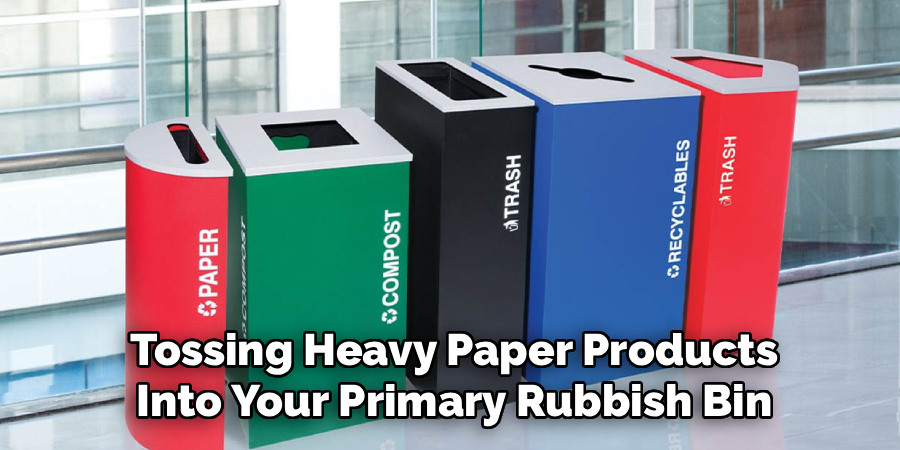
Eliminating personal waste baskets is the most effective change you can make for workplace cleanliness. When everyone has a personal bin, food waste sits under desks for days and cleaning crews waste hours emptying dozens of tiny containers. Remove these individual baskets entirely and require your staff to walk to the central stations instead. This simple policy change forces proper sorting, reduces localized bad odors, and encourages employees to stretch their legs during the day. Your custodial staff will save massive amounts of time each evening.
Step 6: Separate Recyclables From General Waste
A massive portion of daily business waste consists of perfectly recyclable materials. You must establish strict boundaries between landfill garbage and reusable resources. Provide separate, color-coded containers for cardboard, clean plastics, and aluminum cans right next to the standard garbage. Never separate the recycling station from the main garbage station, or people will just use whichever is closer. Keeping them grouped together forces the user to make a conscious choice about where their item belongs. This setup massively reduces your environmental footprint over time.
Step 7: Manage Organic And Compostable Materials
Food scraps create the biggest hygiene challenges in any professional setting. Leftover lunches and coffee grounds generate terrible smells and attract fruit flies if handled improperly. Set up a specialized, tightly sealed compost bin exclusively in the breakroom or kitchen area. Line this specific container with heavy-duty, leak-proof bags to prevent sticky liquids from pooling at the bottom. Instruct your staff to never throw food waste into the standard paper or plastic receptacles. Isolating organic material keeps the rest of your facility smelling incredibly fresh.
Step 8: Establish A Regular Emptying Schedule
No system survives if the containers sit full for days on end. Work closely with your cleaning staff to build a strict daily schedule for removing the accumulated waste. Kitchen and breakroom containers require emptying every single evening without exception to prevent overnight bacterial growth. Paper recycling bins might only need attention twice a week depending on your volume. Communicate these timelines clearly to your maintenance team to ensure consistency. A reliable emptying routine guarantees your stations always look professional and ready for the next workday.
Frequently Asked Questions
What Is The Best Location For Central Stations?
The most effective spots are high-traffic transition areas where employees naturally gather or walk past frequently. Breakrooms, main elevator lobbies, and large printing hubs serve as perfect locations for your primary disposal stations. You want to ensure no employee has to walk more than fifty feet to throw something away properly. Keeping them visible but slightly tucked against the wall prevents them from becoming tripping hazards while remaining highly accessible.
How Do I Prevent Bad Odors In The Breakroom?
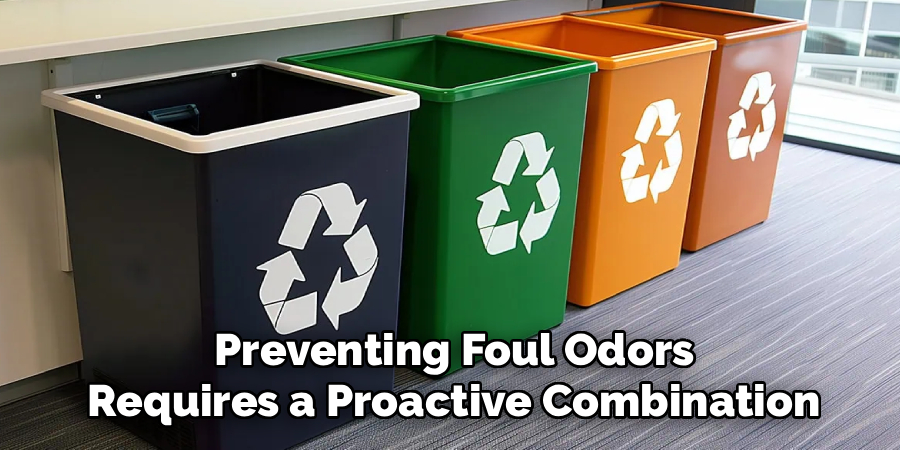
Stopping bad smells requires a combination of the right equipment and strict daily routines. Always use heavy lids on any container meant for food scraps or damp materials. You should also ask your cleaning crew to wipe down the interior and exterior plastic walls of the bins twice a week with a strong disinfectant. Removing all food waste from the premises every single evening guarantees odors never have the chance to develop overnight.
Should Every Desk Have A Small Basket?
We strongly recommend removing individual baskets from personal desks entirely. While they seem convenient, they actually discourage proper recycling because employees tend to throw everything into their one single basket. Removing them encourages short walking breaks, improves overall air quality around workstations, and drastically reduces the labor time required by your nightly cleaning crew. Centralized stations force better sorting habits and keep the main work floor completely free of lingering food smells.
How Can We Encourage Employees To Recycle?
Education and convenience are your best tools for changing human behavior. Send a friendly company-wide email explaining the new system and highlighting the positive environmental impact of their efforts. Make sure the recycling containers sit directly attached to the regular garbage containers so the choice requires zero extra walking. When you combine clear, picture-based signage with accessible locations, your team will naturally adopt the new recycling habits without feeling pressured or annoyed.
Who Should Be Responsible For Emptying The Bins?
Your professional custodial staff or designated maintenance team should handle the final removal of all materials. However, every single employee shares the responsibility of using the system correctly throughout the day. You should never expect your cleaning crew to dig through the general garbage to fish out recyclable paper or plastic. When management establishes clear rules and employees follow the basic sorting guidelines, the custodial team can empty the stations swiftly and efficiently.
Conclusion
Creating a clean, functional workspace directly influences the success and happiness of your entire team. When you remove visual clutter and eliminate poor disposal habits, you pave the way for better focus and higher productivity. You no longer have to worry about unpleasant smells in the breakroom or overflowing baskets near the printer. The strategies outlined above give you a clear roadmap to transform your facility into a pristine, professional environment.
Taking action now prevents minor messes from turning into major daily frustrations. Implementing how to organize trash can in office brings immediate relief to your custodial staff and helps your business operate more sustainably. Start by conducting a quick audit of your current layout today and order the appropriate containers for your central stations. With clear signage and consistent routines, you will permanently solve your waste management challenges and enjoy a spotless office every day.

About
Alexis Kerr is a distinguished figure in the world of professional workspace optimization, with a decade of expertise creating innovative and ergonomic office environments. Her professional focus lies in merging organizational psychology with modern spatial design, fostering office setups that are both high-performing and employee-centric. As the lead author for Deskvity, Alexis Kerr delves into the art and science of corporate aesthetics and functionality, inspiring office managers and remote professionals alike.
Education Cornell University
(Ithaca, New York) Bachelor of Science in Design and Environmental Analysis Focus on human factors, workplace strategy, and sustainable interior environments. Gained extensive experience in how physical space influences productivity and mental clarity.
Savannah College of Art and Design (SCAD)
(Savannah, Georgia) Master of Fine Arts in Interior Design Specialized in commercial workspace solutions with a focus on blending digital integration with physical comfort. Participated in high-level industry projects to refine the balance between corporate branding and architectural utility.
Publications and Impact
In Deskvity, Alexis Kerr shares her insights on modern workspace trends, acoustic management, and strategies for efficient layout planning. Her writing bridges the gap between high-level architectural theory and practical day-to-day office needs, making it a must-read for both facility directors and individual professionals looking to elevate their work environment.