

If you’re wondering how to safely tidy up your Herman Miller Embody chair—without unintentionally leaving it worse for wear—this guide should steer you clear of trouble. The following steps, grounded in practical considerations and a bit of trial-and-error wisdom, will help you maintain that unmistakable “new-chair” feeling.

It takes only modest effort now and then, and your seat can continue doing its job, supporting you quietly and looking sharp, well past its first spin out of the box. In this guide on how to clean herman miller embody chair, we’ll explore some basic guidelines for keeping your office chair in good condition.
Tools and Materials You’ll Need
- Soft cloths
- Mild detergent or cleaning solution specifically designed for upholstery
- Water
- Vacuum cleaner with brush attachment
- Lint roller
- Leather conditioner (optional)
7 Simple Step-by-step Guidelines on How to Clean Herman Miller Embody
Step 1: Vacuum the Fabric Thoroughly
Skip this step, and you risk grinding every crumb and fleck deeper into the seat: nobody wants that. Take your vacuum, attach the gentlest brush head you’ve got, and pass slowly over all surfaces—don’t rush. The fabric is more resilient than you might think, but pressing down too hard or yanking at threads does it no favors. Focus particularly on the seams and any lines where cloth meets plastic. These in-between zones collect all sorts of detritus, and if you make the mistake of wetting them first, you’ll be fighting stubborn, muddy streaks for much longer than you planned.

Step 2: Prepare a Gentle Cleaning Solution
Now that the loose stuff is gone, mix up your cleaner: lukewarm (not scalding) distilled water, a few drops—only a few—of plain liquid dish soap. Hard tap water isn’t advised. If you know your local supply leaves rings on dishes, it will most likely do likewise to your chair. Blend it until you see whispery suds, no more. Never be tempted by bleach, general-purpose cleaners, or anything labeled “heavy-duty.” Those can permanently dull colors or weaken the very components that set the Embody apart. A mild solution is almost always enough to address routine gunk and skin oils, while preventing surprises like an uneven, faded seat.
Step 3: Test the Solution on a Hidden Area
Before you bring anything damp near the visible upholstery, try it on a hidden spot. Moisten a microfiber cloth, squeeze away the excess, and dab under the seat or just inside the back. Wait. Five minutes usually tells you what you need to know. If you spot color running, puckering, or a weird watermark, it’s back to square one—no shame in caution here. If the patch dries and looks unchanged, you’re clear to move on.

Step 4: Spot Clean Visible Stains Carefully
For isolated stains—coffee rings, pen smudges, who knows what else—start by gently blotting, not scrubbing. Dab from edge to center so you don’t make the spot even larger. Any notion of rubbing back and forth must be abandoned; that frays the fibers and roughs up the nap, sometimes for good. Should a mark resist, try a soft brush and tiny circles with the soapy water. Followedw by blotting the area with another clean cloth dipped in simple distilled water—this gets out any leftover soap, which can otherwise attract even more grime the next day.
Step 5: Wipe Down the Base and Frame
It’s easy to overlook the armrests and frame, but dust tends to pool on these harder surfaces. Moisten another cloth in your soapy water and gently swipe the plastic backing, arm pads, and tilt controls. If you’re feeling thorough, trace the lines of the spinal supports—they collect less-visible dust, but you’ll notice the difference afterward. Once the surfaces have been wiped, go over them right away with a clean, dry cloth to keep water spots or streaks from forming. This is what keeps plastic and aluminum looking like they belong in a design magazine, as opposed to a thrift store.

Step 6: Clean the Casters to Restore Smooth Rolling
Wheels take the brunt of daily wear. Lay the chair gently on its side, cushioned by a rug or throw, and check the casters for tangles—pet hair, carpet fuzz, odd bits from yesterday’s lunch. Use fingers or tweezers for stubborn blockage. Once clear, a cloth (just barely damp) will lift off the dirt. Pay attention to hard floor casters, especially: even tiny grit can scratch delicate flooring. Finish with a quick dry rub, and the chair should glide across your space instead of shuddering to a halt every foot.
Step 7: Allow the Chair to Air Dry Completely
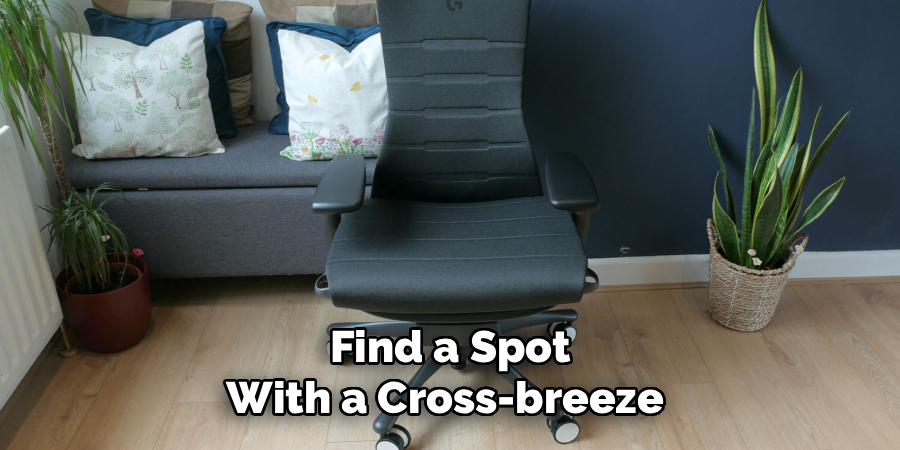
For the final leg, resist any urge to rush. Find a spot with a cross-breeze or ceiling fan. It’s tempting to haul out a hairdryer or park the chair in direct sunlight, hoping for faster drying, but that’s a mistake. Sudden heat risks warping the frame or shrinking the fabric. Usually, three to six hours is enough—sometimes a bit more if you got overzealous with the cloth. Don’t sit until you’re sure it’s dry: squishing damp fabric can stretch it out or trap moisture deep inside, which could lead to musty odors or, worse, mildew.
Following these steps on how to clean herman miller embody chair, you can ensure that your beloved chair stays in top shape for years to come. By regularly cleaning and maintaining it, you not only preserve its appearance but also prolong its lifespan. Additionally, keeping the chair clean and free from dust and debris can prevent potential health hazards such as allergies or respiratory problems.
Additional Tips for Maintaining Your Herman Miller Embody Chair
- Use a soft-bristled brush to gently sweep away dust and debris from the crevices and hard-to-reach areas of the chair.
- Avoid using harsh chemicals or abrasive materials when cleaning your chair, as they can damage the fabric or finish.
- If you spill any liquids on your chair, immediately blot it with a clean cloth or paper towel. Do not rub as it can spread the stain and damage the fabric.
- For stubborn stains, use a mild detergent solution and carefully dab at the affected area. Rinse with water and blot dry.
- To prevent discoloration or fading, avoid placing your chair in direct sunlight or near heat sources.
- Regularly vacuum or brush your chair to remove dust and debris. This will help maintain the fabric’s appearance and prolong its lifespan.
- If your chair has removable cushion covers, make sure to follow the care instructions provided by the manufacturer when washing them.
- For leather chairs, use a soft cloth and a specialized leather cleaner to gently remove dirt and grime. Avoid using harsh chemicals or scrubbing too hard, as it can damage the leather.
- To keep your chair looking fresh and new, rotate cushions and change their positions regularly. This will prevent uneven wear and tear on the fabric.
- Consider investing in slipcovers for your chair, especially if you have pets or children. They can easily be removed and washed, making it easier to keep your chair clean.
Common Mistakes to Avoid
Water is deceivingly problematic. Soaking the cushion can cause not only lingering odors but also long-term damage under the surface, where mold can quietly multiply. Powerful chemical sprays will strip away the finish and leave the plastic looking blotchy.
Scrubbing hard is just as risky: it quickly breaks apart the outer fibers of the fabric, producing fuzzy patches that never quite lie flat again.
How Much Will It Cost?
Here’s the good news—routine cleaning isn’t expensive. Most people already own the essentials: mild dish soap, microfiber cloths, and a vacuum. Your extra outlay, if any, might be a pack of new clothes and a bottle of distilled water—easily under fifteen dollars.
Unless you’re tackling an especially grim case, budget and specialty products rarely enter the picture.
Frequently Asked Questions
Q1: Can I Use Bleach on My Embody Chair?
You absolutely should not. Bleach quickly strips out color and physically weakens both the cloth and the underlying plastics. Any kind of aggressive solvent or cleaner can leave permanent marks. Stick to a heavily diluted mix of neutral dish soap and distilled water—your best bet for preserving form, function, and warranty.
Q2: How Often Should I Clean My Chair?
Monthly touch-ups—vacuuming and wiping down armrests—are usually enough to keep dust at bay. More thorough treatments, with soapy water and careful spot cleaning, tend to be necessary only a couple of times per year. Spills, of course, should be dealt with immediately. Wait too long and a manageable stain turns stubborn fast.
Q3: Are the Seat Covers Machine Washable?
The fabric on these chairs isn’t designed to come off. Any attempt to remove it risks damaging the suspension system and voiding the warranty. All maintenance should happen while the upholstery is firmly attached, always by hand, and always with gentle pressure.
Keeping Your Workspace Pristine
A clean seat does more than look presentable—it helps maintain your focus, supports long work sessions, and can even reduce the urge to fidget. Paying periodic attention to both cloth and frame prevents the sort of silent, invisible decay that shortens a chair’s lifespan.
Make these light cleaning habits part of your routine and the chair will continue doing something pretty remarkable: it’ll disappear from your list of worries. Thanks for reading this guide on how to clean herman miller embody.
