

Steel tables are strong, practical, and easy to use in kitchens, workshops, offices, restaurants, and outdoor spaces. But even durable steel can lose its shine when it collects fingerprints, grease, dust, water spots, sticky spills, or food stains. The good news is that cleaning it does not need to be difficult or expensive.
This guide explains how to clean steel table surfaces safely, using simple steps that protect the finish while removing everyday dirt. You will learn what to clear first, which cleaners to avoid, how to wipe the surface correctly, and how to prevent streaks after cleaning.
A proper cleaning routine matters because steel can look dull or patchy when residue builds up. If the table is used for food prep, cleaning also helps keep the surface more hygienic. With the right method, you can restore a clean, smooth look without scratching the metal or using harsh chemicals.
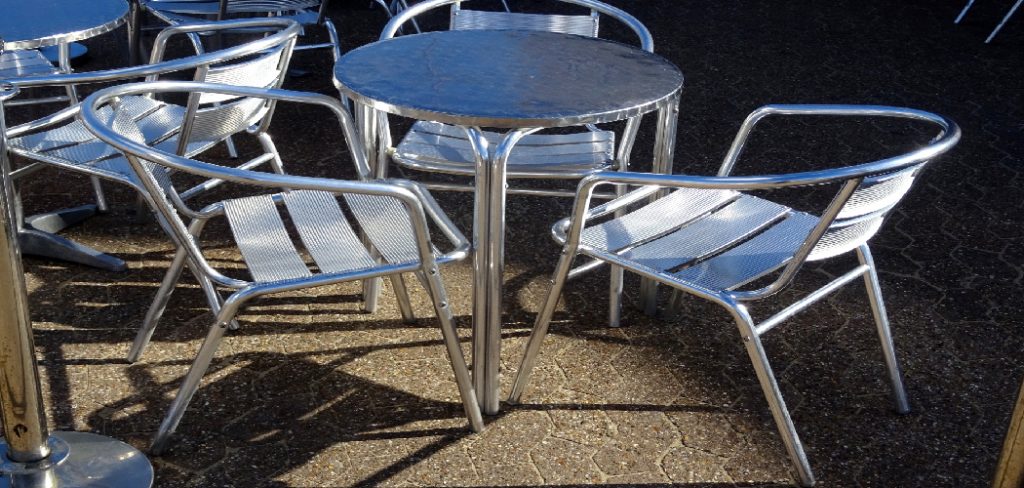
Why Cleaning A Steel Table Matters
Cleaning a steel table helps protect both its appearance and its lifespan. Steel is durable, but it can still show smudges, water marks, grease, and scratches when it is cleaned the wrong way. Regular care keeps the surface bright, smooth, and ready for daily use.
A clean table is also safer and more pleasant to work on. In kitchens or food areas, it reduces residue that can attract bacteria or odors. In workshops, it helps prevent dust, oils, and debris from affecting tools or materials.
Good cleaning habits also save time. When you maintain the surface often, you avoid heavy scrubbing later and reduce the chance of stains becoming harder to remove.
Step-By-Step Guide To Cleaning A Steel Table
Step 1: Clear The Entire Surface
Start by removing everything from the table. Take away dishes, tools, papers, appliances, containers, mats, or anything else sitting on top. This gives you full access to the surface and helps you see stains, crumbs, grease, or sticky spots clearly.
If you searched for how to clean steel table surfaces because your table looks dull, this first step is more important than it seems. Items left on the table can hide moisture rings or trapped debris. Clearing the surface also prevents you from dragging objects across the steel while wiping, which can cause small scratches.
Step 2: Remove Loose Dirt And Debris
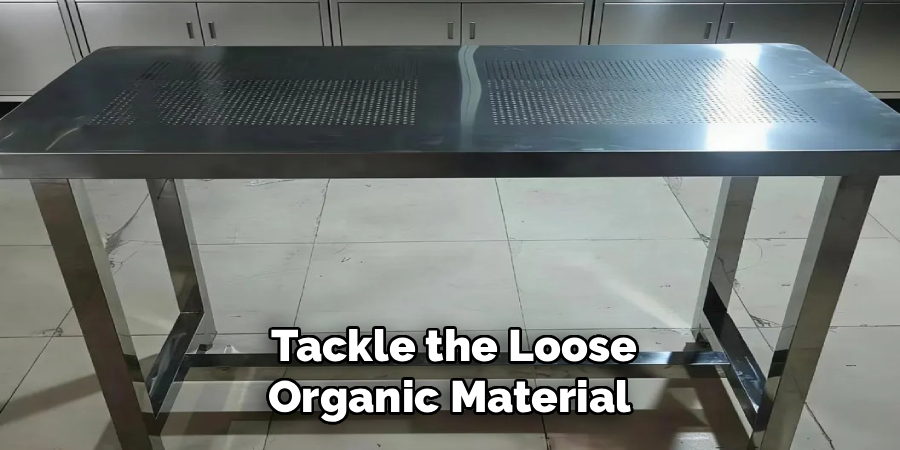
Before using any liquid cleaner, remove loose dirt, crumbs, dust, or grit. Use a soft microfiber cloth, dry sponge, or clean paper towel. Wipe gently across the table instead of pressing hard.
This step protects the finish. Tiny particles can act like sandpaper if you rub them into the steel with a wet cloth. Pay close attention to corners, seams, edges, and areas around legs or raised lips. If the table is in a kitchen, check for dried food bits. If it is in a garage or workspace, look for metal shavings, sawdust, or soil.
Once the surface feels free of loose debris, you can clean more safely.
Step 3: Choose A Safe Cleaner
Steel tables do best with mild cleaners. A gentle dish soap mixed with warm water is enough for most everyday cleaning. You can also use a cleaner made for stainless steel if your table has a polished or brushed finish.
Avoid abrasive powders, steel wool, bleach, ammonia-heavy products, and harsh oven cleaners. These can dull the finish, leave marks, or damage protective layers. Even strong disinfectants should be used carefully and wiped away as directed.
If you are unsure about a cleaner, test a small hidden area first. Wait a few minutes, then check for discoloration, streaking, or surface changes before using it on the whole table.
Step 4: Mix A Gentle Cleaning Solution
For daily cleaning, fill a small bowl or bucket with warm water and add a few drops of mild dish soap. Stir it gently until the water feels slightly soapy but not thick or foamy. Too much soap can leave residue, which makes the table look cloudy after drying.
Dip a soft cloth into the solution, then wring it out well. The cloth should be damp, not dripping. Too much water can run into seams, joints, or lower parts of the table.
If the table has grease on it, let the damp cloth sit over the greasy area for a short moment before wiping. Warm soapy water loosens many common kitchen and work stains.
Step 5: Wipe In The Right Direction
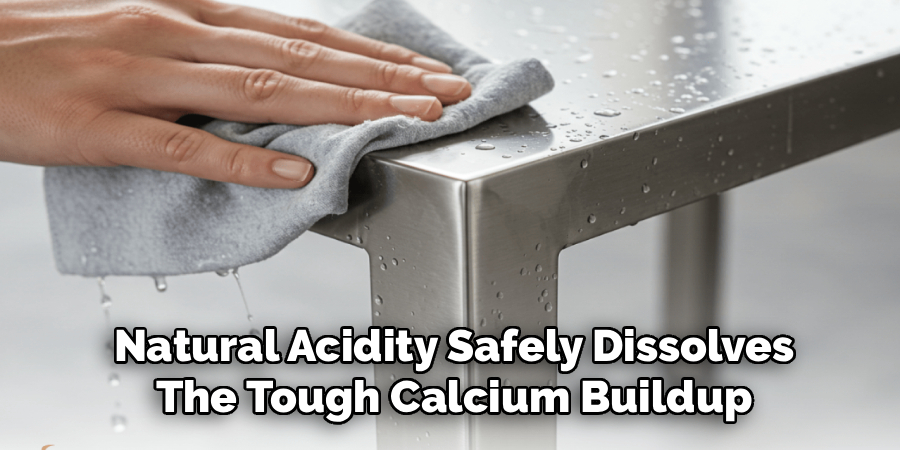
Look closely at the steel surface. Many steel tables, especially stainless steel ones, have a visible grain. The grain looks like fine lines running in one direction. When possible, wipe with those lines instead of across them.
This method helps reduce streaks and keeps the finish looking even. It also lowers the chance of creating visible scratch marks. Use smooth, overlapping strokes with light pressure.
If you are learning how to clean steel table surfaces for the first time, this is one of the easiest habits to build. Wiping with the grain often makes the difference between a clean table and one that still looks smeared.
Step 6: Handle Sticky Residue Carefully
Sticky residue needs patience, not force. If you find dried syrup, tape marks, label glue, sauce, or food buildup, place a warm damp cloth over the spot for a few minutes. This softens the residue and makes it easier to lift.
After it loosens, wipe gently with your soapy cloth. If needed, use a plastic scraper or the edge of a plastic card. Do not use a knife, metal scraper, or rough pad, because these can scratch the table.
For stubborn sticky marks, a small amount of rubbing alcohol on a soft cloth may help. Test it in a hidden area first, then clean the spot again with mild soap and water.
Step 7: Rinse And Dry The Surface Fully
After cleaning, wipe the table with a clean cloth dampened with plain water. This removes soap film, cleaner residue, and loosened dirt. If residue stays behind, the table may look streaky even though it is technically clean.
Next, dry the surface right away with a fresh microfiber cloth. Do not let water air-dry on the steel, especially if your tap water is hard. Minerals in the water can leave spots or dull patches.
Dry the edges, corners, seams, and underside lip if water reached those areas. A fully dry table looks better and is less likely to develop water marks.
Step 8: Maintain The Finish Over Time
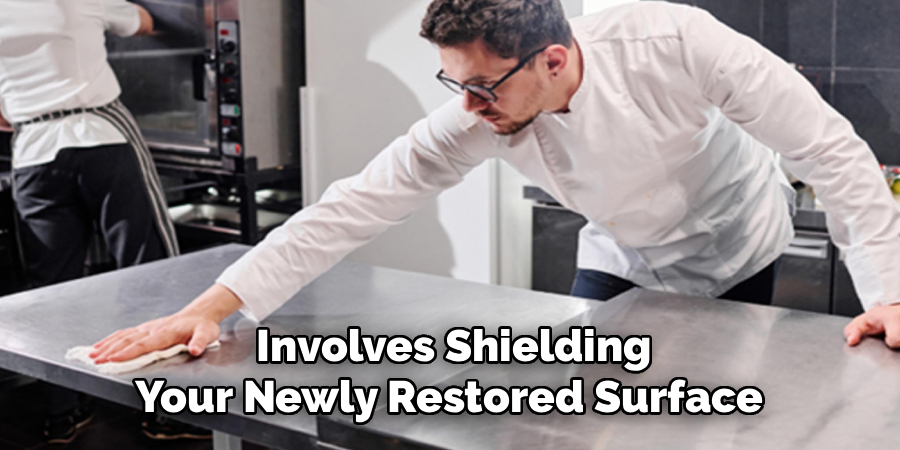
Once the table is clean and dry, build a simple maintenance habit. Wipe spills as soon as they happen, especially acidic liquids like vinegar, citrus juice, tomato sauce, or certain cleaning chemicals. These can leave marks if they sit too long.
Use cutting boards, mats, or trays when working with sharp tools, hot pans, or heavy items. Steel is strong, but it is not impossible to scratch or dent.
For a polished look, buff the surface with a dry microfiber cloth after each cleaning. If the table is stainless steel, you may occasionally use a stainless steel polish, but only if it matches the finish and use of the table.
Frequently Asked Questions
Can I Use Vinegar On A Steel Table?
Vinegar can help remove light water spots, but it should be used carefully. Dilute it with water, apply it with a soft cloth, and do not let it sit too long. After wiping, rinse the surface with clean water and dry it fully. Avoid vinegar on damaged, coated, or unknown finishes because acidic cleaners may cause dullness or discoloration.
What Should I Avoid When Cleaning Steel?
Avoid steel wool, abrasive scouring pads, bleach, harsh powders, and strong chemicals that are not meant for metal surfaces. These can scratch, stain, or weaken the finish. You should also avoid leaving wet cloths, salty liquids, or acidic spills on the table. Even durable steel can develop marks when moisture or harsh residue sits for too long.
How Often Should I Clean A Steel Table?
For light home use, wiping the table after each use and doing a deeper clean once a week is usually enough. In kitchens, restaurants, labs, or workshops, clean it daily or after every task. The right schedule depends on what touches the surface. Food, grease, chemicals, and dust all require faster cleaning than simple paperwork or storage.
Why Does My Steel Table Look Streaky After Cleaning?
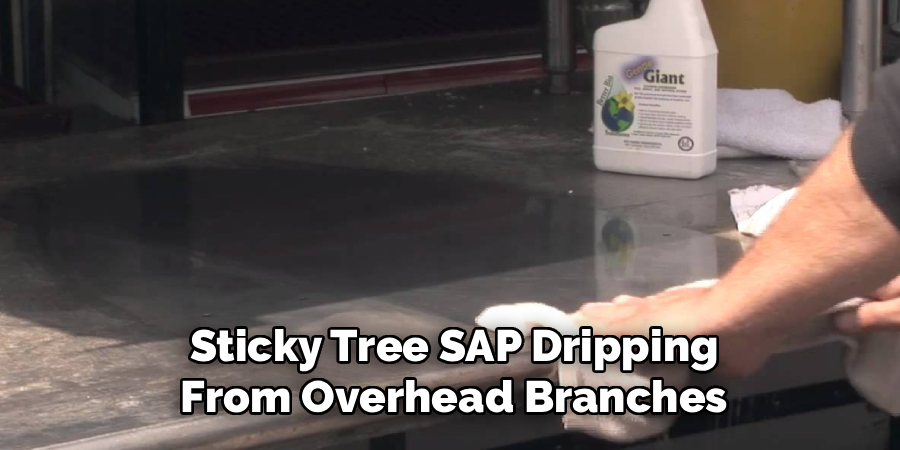
Streaks usually come from too much soap, leftover cleaner, hard water, or drying too slowly. To fix this, wipe the table again with a cloth dampened with plain water, then dry it immediately with a clean microfiber cloth. Wiping with the grain can also help. If streaks remain, your cloth may be dirty or your cleaner may be too strong.
Can I Disinfect A Steel Table After Cleaning?
Yes, but clean the surface first so the disinfectant can work properly. Dirt, grease, and food residue can reduce its effectiveness. Use a disinfectant that is safe for steel and follow the label directions for contact time. Afterward, wipe away residue if required and dry the table fully. For food surfaces, make sure the product is food-contact safe.
Conclusion
A steel table is easy to care for when you use the right method. Clear the surface, remove loose debris, choose a gentle cleaner, wipe with the grain, treat sticky spots carefully, and dry everything fully. These simple habits help prevent scratches, streaks, water marks, and buildup.
Now that you know how to clean steel table surfaces properly, start with a mild soap-and-water routine and maintain the finish after each use. A few careful minutes can keep your table clean, bright, and ready for work every day.

About
Alexis Kerr is a distinguished figure in the world of professional workspace optimization, with a decade of expertise creating innovative and ergonomic office environments. Her professional focus lies in merging organizational psychology with modern spatial design, fostering office setups that are both high-performing and employee-centric. As the lead author for Deskvity, Alexis Kerr delves into the art and science of corporate aesthetics and functionality, inspiring office managers and remote professionals alike.
Education Cornell University
(Ithaca, New York) Bachelor of Science in Design and Environmental Analysis Focus on human factors, workplace strategy, and sustainable interior environments. Gained extensive experience in how physical space influences productivity and mental clarity.
Savannah College of Art and Design (SCAD)
(Savannah, Georgia) Master of Fine Arts in Interior Design Specialized in commercial workspace solutions with a focus on blending digital integration with physical comfort. Participated in high-level industry projects to refine the balance between corporate branding and architectural utility.
Publications and Impact
In Deskvity, Alexis Kerr shares her insights on modern workspace trends, acoustic management, and strategies for efficient layout planning. Her writing bridges the gap between high-level architectural theory and practical day-to-day office needs, making it a must-read for both facility directors and individual professionals looking to elevate their work environment.