

Clearing out old office furniture sounds straightforward until you are standing in front of a bulky desk, three filing cabinets, and a stack of worn chairs with no clear plan. Simply dragging everything to the curb is rarely an option, and landfill disposal can be costly, wasteful, and even against local regulations.

Knowing how to dispose of office furniture properly saves you time, protects the environment, and may even put money back in your pocket. Whether you are downsizing a home office, clearing out after a move, or refreshing a commercial workspace, the right disposal method depends on the condition of the furniture and the options available in your area.
This guide walks you through seven practical steps to help you handle the entire process with confidence — from assessing what you have to completing the final removal responsibly.
Why Proper Office Furniture Disposal Matters
Tossing old furniture carelessly creates more problems than it solves. Large items left on curbs without approval can result in fines. Furniture sent to landfill contributes to waste that takes decades to break down.
Responsible disposal keeps usable pieces out of landfills by redirecting them to people who need them. Donations support nonprofits, schools, and community organizations. Selling extends the furniture’s lifespan while recovering some of your original investment. Recycling breaks materials down into something useful rather than wasteful.
Beyond the environmental impact, proper disposal also protects your reputation — especially for businesses. A thoughtful removal process reflects well on your organization and ensures you stay compliant with any local waste disposal requirements.
Step-By-Step Guide To How To Dispose Of Office Furniture
Step 1: Assess The Condition Of Every Piece
Before deciding what to do with anything, walk through your space and evaluate each item honestly. Sort furniture into three groups: pieces that are still in good condition, pieces that are worn but functional, and pieces that are damaged beyond reasonable use.
Good-condition items are strong candidates for donation or resale. Worn but functional pieces may still be accepted by certain charities or sold at a lower price. Damaged items — broken frames, cracked surfaces, missing parts — are typically headed for recycling or bulk waste pickup. Knowing what you have prevents wasted effort and helps you match each item to the right disposal path from the start.

Step 2: Decide On A Disposal Method For Each Item
Once you have sorted everything by condition, assign a disposal method. Items in good shape can be donated to local nonprofits, schools, shelters, or faith-based organizations. Functional pieces can be listed on resale platforms or offered to colleagues and neighbors. Materials like metal frames and wooden panels can often be recycled through a dedicated facility.
Making these decisions item by item avoids the all-or-nothing trap of scheduling one giant pickup and sending everything to the same place. A little sorting upfront means more furniture gets reused rather than discarded, and you keep the process manageable instead of overwhelming.
Step 3: Check Local Waste And Disposal Regulations
Before moving anything out of the building, check the rules in your area. Many municipalities have specific guidelines for bulk item disposal — including designated pickup days, size restrictions, and fees for large loads. Some jurisdictions prohibit leaving furniture on the curb entirely without prior scheduling.
Commercial properties often face stricter regulations than residential ones, so if you are clearing a business space, contact your local waste management authority directly. A quick phone call or visit to your city’s website can prevent fines and delays. It also helps you understand which recycling centers accept furniture and what materials they will and will not take.
Step 4: Remove Personal And Sensitive Items First
Before any furniture leaves your space, check every drawer, cabinet, shelf, and compartment thoroughly. It is easy to overlook documents, digital storage devices, personal items, or company materials tucked inside desks and filing cabinets.
For businesses, this step is especially important. Sensitive client files, financial records, and employee information should be shredded or secured before the furniture is handed off to anyone. Even for home offices, a quick sweep protects personal data and prevents items of sentimental or practical value from accidentally leaving with the furniture. Do not skip this step — it takes only a few minutes and avoids regret later.
Step 5: Donate Or Sell Usable Furniture Before Scheduling Pickup
Learning how to dispose of office furniture well means prioritizing reuse over removal whenever possible. Reach out to local charities, community centers, schools, and nonprofit organizations to see whether they accept furniture donations. Many will even arrange pickup at no cost, which saves you the effort of transport.
If selling, list items on platforms like Facebook Marketplace, Craigslist, or local buy-and-sell groups. Price items fairly based on condition, and be clear about dimensions and any wear. Selling even a few pieces can offset other disposal costs. If you have a large quantity, consider contacting a used office furniture dealer who may purchase the entire lot.
Step 6: Disassemble Large Pieces For Easier Removal
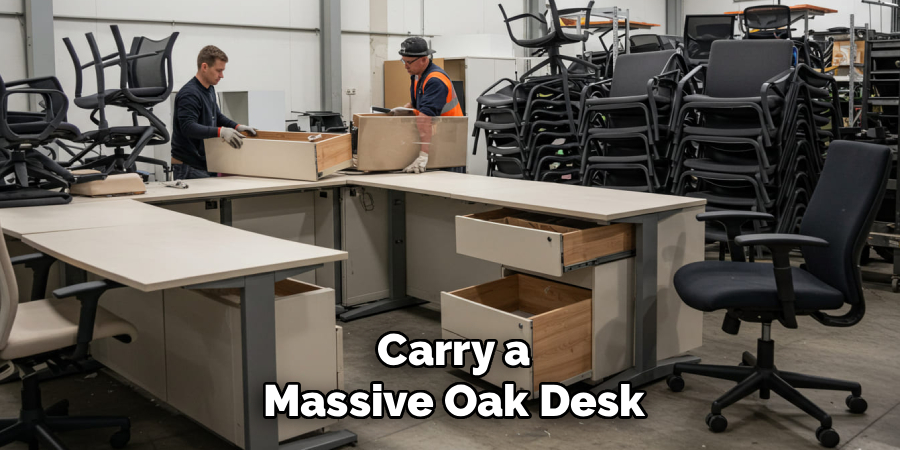
Large desks, modular workstations, shelving units, and conference tables are often too big to move in one piece. Disassembling them before removal makes the process safer and more practical. It also opens up recycling options — some facilities accept separated materials like wood panels and metal frames that they would not take as assembled units.
Gather basic tools ahead of time: a screwdriver, an Allen key set, and a rubber mallet are enough for most flat-pack or modular furniture. Work with a second person when handling heavy panels or glass components. Stack disassembled parts neatly to make loading and transport significantly easier on removal day.
Step 7: Schedule Pickup Or Drop-Off And Complete The Removal
For items that cannot be donated, sold, or recycled through standard channels, understanding how to dispose of office furniture through bulk services becomes essential. Contact your local waste management provider to schedule a bulk pickup, or hire a junk removal service that specializes in furniture. Many of these companies sort items on their end and divert usable pieces from landfill.
If you prefer a hands-on approach, rent a cargo van or trailer to deliver items directly to a recycling center or donation facility. Confirm hours and accepted materials before you load anything. On removal day, work systematically from the largest pieces to the smallest, and leave the space clean and clear when you are done.
Frequently Asked Questions
Can I Leave Old Office Furniture On The Curb For Pickup?
It depends on where you live. Some municipalities offer scheduled bulk item pickup where large furniture is accepted curbside, but many require advance notice or charge a fee. Others prohibit curbside furniture disposal entirely. Always check with your local waste management authority before placing anything outside. Leaving furniture without approval can result in fines and may leave you responsible for the removal cost if the city has to handle it on your behalf.
How Do I Find Organizations That Accept Furniture Donations?
Start with a local search for nonprofits, thrift stores, community centers, churches, and shelters in your area. National organizations like Habitat for Humanity ReStores accept a wide range of furniture in good condition. Schools and youth programs sometimes need desks and chairs. When calling ahead, ask specifically whether they accept office furniture, whether they offer pickup, and what condition requirements they have — not all organizations can take items with significant wear or damage.
Is It Worth Selling Old Office Furniture?
It can be, especially for items that are still in good condition. Solid desks, ergonomic chairs, filing cabinets, and conference tables often hold resale value. Online marketplaces like Facebook Marketplace, OfferUp, and Craigslist connect you with local buyers quickly. For larger quantities, reaching out to used office furniture dealers can save time. If the furniture is heavily worn, the effort of listing and selling may not justify the return — in that case, donation or recycling is a better use of your time.
What Parts Of Office Furniture Can Be Recycled?
Metal components — chair frames, desk legs, filing cabinet bodies, and drawer slides — are widely accepted at scrap metal facilities. Wooden panels and tabletops may be accepted at wood recycling centers, depending on the material and finish. Foam cushions and fabric upholstery are harder to recycle and often end up in landfill unless a specialist facility is available locally. Check with your nearest recycling center to confirm what materials they accept and whether any preparation, like removing screws, is required.
Should I Hire A Junk Removal Service Or Handle It Myself?
Hiring a junk removal service saves time and physical effort, especially for large or heavy furniture. Many reputable services sort items after collection and donate or recycle what they can, making it a reasonably responsible option. Handling it yourself costs less and gives you more control over where items go. If you have a small amount of furniture, good physical help, and access to a vehicle, doing it yourself is practical. For a full office clearance, a professional service often makes more sense.
Conclusion
Clearing out old office furniture does not have to feel like a chore. Assess what you have, match each piece to the right disposal method, check local rules, remove sensitive items, and prioritize donation or resale before scheduling any bulk removal. Disassembling large pieces makes transport easier, and finishing with a clean space gives you a satisfying and productive result.
Taking a methodical approach to how to dispose of office furniture protects the environment, supports your community, and keeps you on the right side of local regulations. Start with one piece today, work through the steps, and turn what feels like a headache into a straightforward project with a clear finish line.
