


A messy workspace quickly drains your daily energy and reduces your overall productivity. When your writing tools are scattered everywhere, finding a simple black pen becomes a frustrating scavenger hunt. You spend your valuable time digging through a mountain of dried-out highlighters and broken pencils instead of doing meaningful work. Managing your desktop accessories might seem like a minor detail in the grand scheme of running a business, but it directly impacts your workflow and mental clarity.
Establishing a proper system eliminates these daily frustrations and creates a more efficient professional environment. Many people struggle with desktop clutter because they lack a clear, actionable strategy for their smallest items. Fortunately, mastering how to organize pen holder for desk requires only a small investment of time and planning. We know that tackling office organization feels overwhelming for beginners, but applying a few smart techniques transforms your chaotic workspace into a pristine, functional area. By the end of this article, you will have the knowledge you need to overhaul your current setup and maintain a spotless desk with minimal effort.
Why Desktop Accessory Organization Matters
Ignoring your smaller organizational systems leads to immediate negative consequences for your daily focus. A disorganized desk creates visual clutter, which subconsciously elevates your stress levels and distracts you from important tasks. When you have a cup overflowing with random, untested writing tools, you waste precious minutes during important client calls just trying to write down a simple phone number. This poor habit disrupts your flow state and often leaves a terrible impression on visiting clients or colleagues who notice the mess.
Taking control of your desk accessories provides immense professional benefits. First, a structured disposal and sorting system vastly improves your daily efficiency. Knowing exactly where your favorite blue pen or red marker resides means you can reach for it without breaking your concentration. Your mind stays focused on the project at hand, which reduces errors and keeps your momentum moving forward. A clean desk also boosts your professional confidence. You feel much more in control and prepared when you sit down at a spotless, well-maintained workstation every single morning.
Step-By-Step Guide To How To Organize Pen Holder For Desk
Step 1: Gather All Your Writing Instruments
Before buying new supplies or containers, you must evaluate the specific tools you currently own. Search through your desk drawers, laptop bags, and current desktop cups to gather every single pen, pencil, and highlighter. Place them all in one large pile in the center of your desk. Seeing everything in one place gives you a realistic understanding of the volume you need to manage. This initial gathering phase serves as the critical foundation for your entire workspace upgrade project.
Step 2: Test Every Single Item Thoroughly

You cannot build an efficient system if half of your tools do not actually work. Take a piece of scrap paper and physically test every item in your massive pile. Pushing your less essential equipment backward keeps your primary workspace delightfully clear and heavily focused.
Scribble a quick line with each marker to ensure the ink flows smoothly and the color remains vibrant. Check your mechanical pencils for lead and ensure the erasers are still intact and functional. Be ruthless during this phase, as keeping dried-out items defeats the entire purpose of this organizational process.
Step 3: Discard Broken And Empty Tools
Once you identify the items that no longer work, you must immediately remove them from your workspace. Throw away the empty ink tubes, the cracked highlighters, and the pencils worn down to useless stubs. Do not keep a beautiful, expensive pen if it is permanently broken and cannot be refilled. Removing this dead weight instantly cuts your clutter in half and leaves you with only reliable, high-quality instruments. This purge guarantees that whatever you grab in the future will work perfectly on the first try.
Step 4: Categorize By Frequency Of Daily Use

Now that you have a pile of working tools, separate them based on how often you actually use them. Create a primary group for the specific items you reach for multiple times a day, like your favorite black signing pen or yellow highlighter. Create a secondary group for specialized items you only need occasionally, such as colored markers or drawing pencils. Keeping your daily drivers separate from your occasional tools ensures you never have to dig through items you rarely need.
Step 5: Execute Holder For Desk Logically
Strategic placement dramatically increases the effectiveness of your new system. Take your primary, most-used items and place them front and center in your main container. Group similar items together so that all the highlighters sit on the left side while all the standard writing pens sit on the right. Point all the caps upward so you can immediately identify the color of the ink without pulling the item out. This logical arrangement makes grabbing the right tool completely effortless.
Step 6: Store Secondary Items Out Of Sight
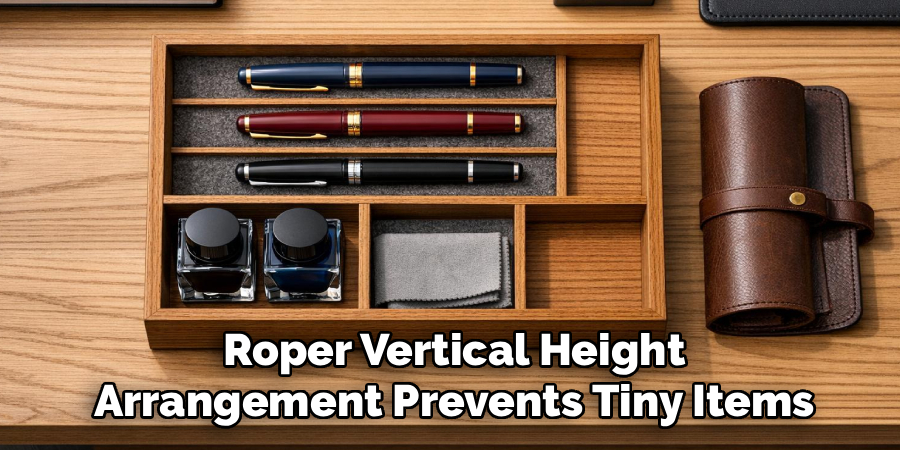
Your desktop cup should only hold the tools you use constantly. Take your secondary group of specialty markers and spare pencils and place them inside a designated desk drawer. Use a shallow drawer divider to keep them neatly aligned and out of your immediate visual field. Removing these extra items from your desktop prevents your main container from becoming overstuffed and difficult to use. Storing backups out of sight maintains your clean aesthetic while keeping replacements easily accessible.
Step 7: Clean The Container Before Refilling
Even the smartest layout fails if your container is dirty and unappealing. Before you put your categorized items back into their permanent home, take a moment to wash the cup itself. Ink leaks, graphite dust, and random crumbs naturally accumulate at the bottom over time. Wipe the interior out with a damp cloth or wash it in the sink with mild soap. Starting with a spotless container guarantees your freshly sorted tools stay clean and look incredibly professional on your desk.
Step 8: Establish A Weekly Maintenance Routine
No organizational system survives if you abandon it after the first day. Set a repeating reminder on your calendar to spend two minutes every Friday afternoon resetting your desktop. Pull out any stray items that migrated into the cup throughout the week and put them back in their proper drawers. Throw away any items that ran out of ink during your busy workdays. A reliable, quick maintenance routine guarantees your workspace always looks pristine and ready for the upcoming Monday morning.
Frequently Asked Questions
What Type Of Container Works Best For Everyday Use?
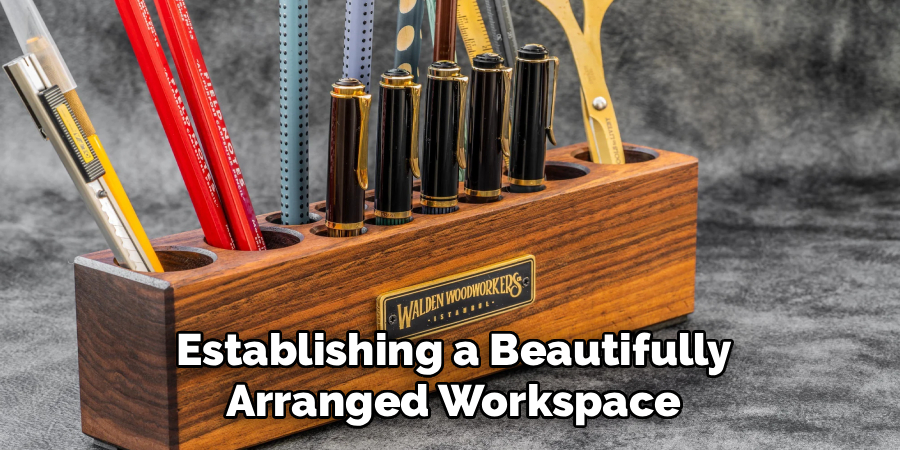
The most effective containers feature a wide base and a medium height to prevent tipping over when filled. You want to avoid cups that are too tall, which swallow up shorter items, or too short, which allow heavier markers to fall out. Solid ceramic or heavy metal mesh options provide excellent stability and durability for daily wear and tear. Choosing a design with an internal divider also helps keep your different categories neatly separated naturally.
How Many Pens Should I Keep On My Desk?
You should aim to keep no more than five to seven writing instruments in your primary desktop container. This curated selection usually includes two standard black or blue pens, one pencil, one highlighter, and perhaps one colored marker for editing. Keeping a minimalist selection prevents the cup from becoming jammed and makes grabbing your favorite tool incredibly simple. Any additional items should be stored neatly away in a nearby drawer as backup inventory.
Can I Store Scissors And Rulers In The Same Cup?
Mixing heavy office supplies with delicate writing instruments often leads to frustration and damaged tools. Sharp scissor blades can easily scratch the plastic casing of your expensive pens or accidentally catch on your fingers when you reach in hastily. Tall rulers also unbalance standard cups and make the entire arrangement visually messy. You should designate a completely separate, heavy-duty container for your sharp tools or store them flat in a dedicated desk drawer.
How Do I Remove Ink Stains From The Bottom?
Stopping bad stains requires a combination of gentle scrubbing and the right cleaning solutions. If a leaky pen leaves a stubborn ink puddle at the bottom of your container, apply a small amount of rubbing alcohol to a cotton swab. Gently rub the affected area until the alcohol breaks down the dried ink completely. Wash the container out with warm soapy water afterward to remove any lingering chemical smells before returning it to your workstation.
What Should I Do With Expensive Display Pens?
Premium luxury pens require special care and should never be tossed casually into a crowded, communal cup. The friction from cheaper plastic items will eventually scratch the elegant metal finish of your valuable investments. Instead, lay your luxury writing instruments flat in a lined presentation box or rest them horizontally on a dedicated desktop stand. This approach protects the delicate ink mechanisms inside and highlights the item as a beautiful piece of functional workspace art.
Conclusion
Creating a clean, functional workspace directly influences the success and happiness of your entire workday. When you remove visual clutter and eliminate broken supplies, you pave the way for better focus and higher professional productivity. You no longer have to worry about frantic searches during important phone calls or staring at a messy, stressful workstation. The strategies outlined above give you a clear, actionable roadmap to transform your desktop into a pristine, highly efficient environment.
Taking a few minutes to evaluate your tools prevents minor messes from turning into major daily distractions. Implementing how to organize pen holder for desk brings immediate relief to your workflow and helps you operate with complete confidence. Start by gathering all of your writing instruments right now and systematically testing them for quality. With clear categories and consistent weekly maintenance routines, you will permanently solve your desk clutter challenges and enjoy a spotless office every single day.

About
Alexis Kerr is a distinguished figure in the world of professional workspace optimization, with a decade of expertise creating innovative and ergonomic office environments. Her professional focus lies in merging organizational psychology with modern spatial design, fostering office setups that are both high-performing and employee-centric. As the lead author for Deskvity, Alexis Kerr delves into the art and science of corporate aesthetics and functionality, inspiring office managers and remote professionals alike.
Education Cornell University
(Ithaca, New York) Bachelor of Science in Design and Environmental Analysis Focus on human factors, workplace strategy, and sustainable interior environments. Gained extensive experience in how physical space influences productivity and mental clarity.
Savannah College of Art and Design (SCAD)
(Savannah, Georgia) Master of Fine Arts in Interior Design Specialized in commercial workspace solutions with a focus on blending digital integration with physical comfort. Participated in high-level industry projects to refine the balance between corporate branding and architectural utility.
Publications and Impact
In Deskvity, Alexis Kerr shares her insights on modern workspace trends, acoustic management, and strategies for efficient layout planning. Her writing bridges the gap between high-level architectural theory and practical day-to-day office needs, making it a must-read for both facility directors and individual professionals looking to elevate their work environment.