

Deciding to change your career path is a major life event that can bring both excitement and uncertainty. You might feel stuck in your current role, uninspired by your daily tasks, or simply eager for a new challenge that aligns better with your long-term goals. Making a smooth transition into a new office career requires strategy, patience, and a willingness to step outside your comfort zone.

This comprehensive guide on how to switch office career smoothly will walk you through every phase of the process, from understanding the benefits of a transition to taking actionable steps toward your new professional life.
Let us dive into the journey of transforming your professional trajectory and securing a role that truly fulfills you.
Benefits of Switching Careers
Choosing to pivot your career path offers a wealth of personal and professional advantages. While the process requires effort, the long-term rewards often far outweigh the initial challenges.
First, changing careers often leads to increased job satisfaction. When you align your daily work with your core values and passions, Monday mornings become something to look forward to rather than dread. You gain a renewed sense of purpose, which positively impacts your mental health and overall well-being.
Second, a career switch can significantly boost your earning potential. Moving into a high-growth industry or a role that better leverages your unique skill set often comes with a higher salary, better benefits, and more room for upward mobility.
Third, transitioning to a new field promotes continuous learning and personal growth. You challenge your brain to master new tools, understand different market dynamics, and build fresh relationships. This adaptability makes you a more resilient professional, capable of thriving in a rapidly changing economy.
Finally, a career change expands your professional network. You will meet mentors, peers, and industry leaders who offer new perspectives and opportunities that you would never have encountered in your previous field.
What Will You Need?
Before you embark on this journey, it is important to gather the right resources and cultivate the proper mindset. Here is what you will need to guarantee a smooth transition:
- A Growth Mindset: You must be willing to learn, accept feedback, and start from the bottom if necessary. A growth mindset allows you to view setbacks as learning opportunities rather than failures.
- A Clear Vision: You need a solid understanding of what you want from your new career. This includes knowing your desired salary, company culture, and daily responsibilities.
- Transferable Skills: These are the abilities you have acquired in your past roles that apply to your new target job. Examples include project management, communication, data analysis, and leadership.
- A Strong Support System: Surrounding yourself with supportive friends, family members, and mentors will help you stay motivated during moments of doubt.
- Financial Runway: Career transitions can take time. Having a financial cushion ensures you can comfortably manage your living expenses while you upskill, network, and search for the right opportunity.
10 Easy Steps on How to Switch Office Career Smoothly
Transitioning to a new office career does not have to be overwhelming. By breaking the process down into manageable phases, you can maintain your momentum and achieve your goals. Follow these ten detailed steps to make your career switch as seamless as possible.
Step 1: Assess Your Current Situation
Before you can figure out where you are going, you need to understand where you are. Take a deep dive into your current role and identify exactly what is pushing you to leave. Is it the company culture, the lack of advancement, the daily tasks, or the industry itself? Write down your core values, interests, and non-negotiables. Understanding your motivations will prevent you from jumping into a new career that has the same underlying issues as your old one. Self-reflection is the foundation of a successful career pivot.

Step 2: Identify Your Transferable Skills
Many professionals mistakenly believe they have to start from scratch when changing careers. In reality, you already possess a treasure trove of transferable skills. Analyze your past successes and outline the skills that made them possible. Did you manage budgets, lead cross-functional teams, or resolve complex customer disputes? These soft and hard skills are highly valued across all office environments. Create a master list of these abilities and start matching them to the requirements of the roles you want to pursue.
Step 3: Research Your Target Industry
Once you know your strengths, begin exploring industries that align with your goals. Read industry publications, listen to relevant podcasts, and study market trends. Understand the key players, the common challenges, and the language used in that field. This research will help you determine if the day-to-day reality of the industry matches your expectations. It also provides you with the industry-specific vocabulary you will need to communicate effectively with hiring managers and peers.
Step 4: Fill the Skill Gaps
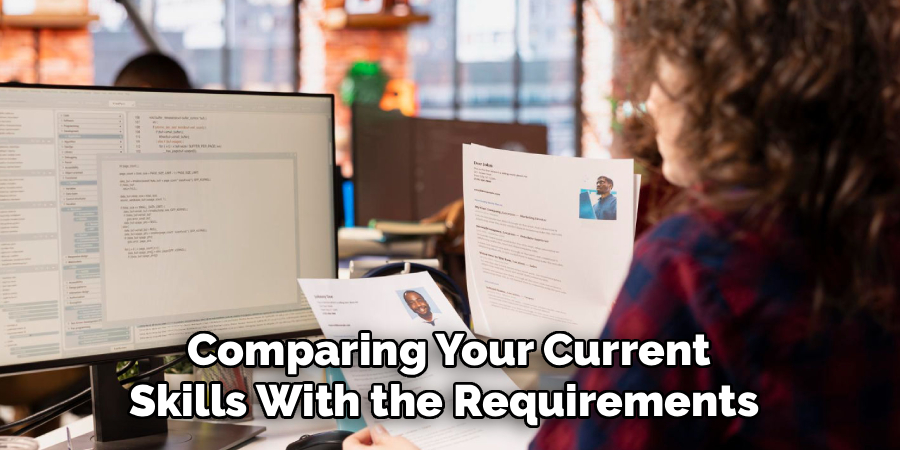
After comparing your current skills with the requirements of your target role, you will likely find a few gaps. Do not let this discourage you. Instead, view it as an opportunity to upskill. Take online courses, attend workshops, or earn certifications relevant to your new field. If you are moving into digital marketing, for instance, you might need to learn search engine optimization or data analytics. Acquiring these new skills demonstrates your commitment and initiative to prospective employers.
Step 5: Revamp Your Resume and LinkedIn Profile
Your resume and LinkedIn profile must reflect your future direction, not just your past history. Rewrite your professional summary to highlight your career transition and emphasize your transferable skills. Use the industry-specific keywords you discovered during your research. Instead of listing daily duties from your old job, focus on achievements and outcomes that prove your capability to succeed in the new role. Make sure your LinkedIn profile tells a cohesive, compelling story about why you are making this transition.
Step 6: Build a Strategic Network
Networking is arguably the most powerful tool in a career switcher’s arsenal. Start by connecting with professionals who currently hold the positions you want. Attend industry conferences, join local professional associations, and participate in online forums. Do not just ask for a job; focus on building genuine relationships. Share articles, comment on their posts, and offer help when you can. A strong network will often alert you to unadvertised job openings and provide personal recommendations.
Step 7: Conduct Informational Interviews
Informational interviews are casual conversations with professionals in your target field. Reach out to people on LinkedIn and ask for twenty minutes of their time to learn about their career journey. Prepare thoughtful questions about their daily responsibilities, the challenges they face, and the advice they would give someone entering the field. These interviews provide invaluable insider knowledge and often turn into long-term mentorships or job referrals.

Step 8: Gain Practical Experience
Employers want proof that you can do the work. If you lack direct experience, find creative ways to build your portfolio. You can volunteer your services to a non-profit organization, take on freelance projects, or offer to help another department within your current company. Even creating mock projects or case studies can showcase your abilities. Practical experience not only builds your resume but also gives you the confidence to speak authoritatively during job interviews.
Step 9: Prepare for Career Transition Interviews
Interviewing for a new career requires a specific strategy. Hiring managers will inevitably ask why you are leaving your current field. Practice a positive, forward-looking narrative that explains your transition. Focus on your passion for the new industry and how your unique background brings a fresh perspective. Use the STAR method (Situation, Task, Action, Result) to frame your past experiences in a way that highlights your transferable skills and problem-solving abilities.
Step 10: Negotiate and Make the Leap
When the job offer finally comes, do not let the excitement overshadow the importance of negotiation. Research the standard salary range for your new role and location. While you might be starting at a lower level than your previous career, you should still be compensated fairly for your diverse background and transferable skills. Negotiate your salary, benefits, and flexibility confidently. Once everything is signed, resign gracefully from your current position, maintain those relationships, and step boldly into your new career.

5 Things You Should Avoid
- Quitting Your Current Job Prematurely: Transitioning takes time. Keep your primary source of income secure while you research, upskill, and network on the side.
- Ignoring Your Transferable Skills: Do not downplay your experience. Your unique background is an asset, not a liability, providing fresh perspectives that traditional candidates lack.
- Applying Randomly: Avoid the “spray and pray” method of sending out hundreds of generic resumes. Tailor your application to a few highly targeted roles.
- Neglecting Your Network: Do not rely solely on online job boards. Many of the best opportunities come through referrals and personal connections.
- Fearing Rejection: You will likely face rejections during a career pivot. Do not take them personally; use them to refine your approach and improve your interview skills.
Conclusion
How to switch office career smoothly is a courageous and rewarding endeavor that can redefine your professional and personal life.
By taking the time to assess your goals, leverage your transferable skills, and strategically network within your target industry, you set yourself up for long-term success. Remember that every expert was once a beginner, and the challenges you face during this transition will only make you a stronger, more versatile professional.
Stay patient, remain adaptable, and keep your focus on the exciting opportunities that lie ahead. Your dream office career is entirely within your reach.

About
Alexis Kerr is a distinguished figure in the world of professional workspace optimization, with a decade of expertise creating innovative and ergonomic office environments. Her professional focus lies in merging organizational psychology with modern spatial design, fostering office setups that are both high-performing and employee-centric. As the lead author for Deskvity, Alexis Kerr delves into the art and science of corporate aesthetics and functionality, inspiring office managers and remote professionals alike.
Education Cornell University
(Ithaca, New York) Bachelor of Science in Design and Environmental Analysis Focus on human factors, workplace strategy, and sustainable interior environments. Gained extensive experience in how physical space influences productivity and mental clarity.
Savannah College of Art and Design (SCAD)
(Savannah, Georgia) Master of Fine Arts in Interior Design Specialized in commercial workspace solutions with a focus on blending digital integration with physical comfort. Participated in high-level industry projects to refine the balance between corporate branding and architectural utility.
Publications and Impact
In Deskvity, Alexis Kerr shares her insights on modern workspace trends, acoustic management, and strategies for efficient layout planning. Her writing bridges the gap between high-level architectural theory and practical day-to-day office needs, making it a must-read for both facility directors and individual professionals looking to elevate their work environment.