

A fire can go from a small flicker to a dangerous blaze in under a minute. Having an extinguisher nearby is only half the battle — the other half is knowing what to do with it when it counts. Understanding how to use fire extinguisher equipment correctly can mean the difference between a contained incident and a catastrophic loss.
This guide is written for everyone, whether you’ve never touched an extinguisher before or just want a refresher. You’ll learn what to check before a fire ever happens, how to read your extinguisher, and exactly how to operate it under pressure. This isn’t complicated knowledge, but it is critical. A few minutes spent reading this today could help you protect your home, your workplace, and the people around you when seconds matter most.
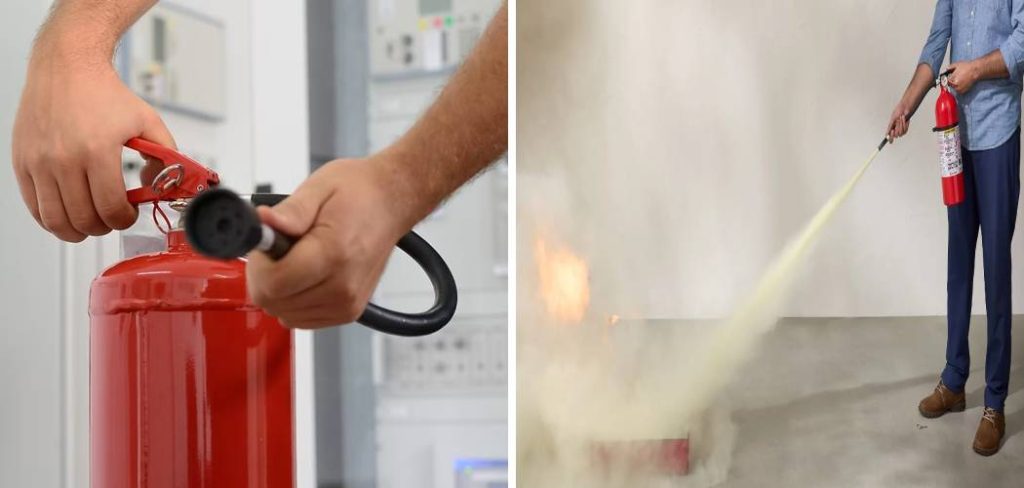
Why Knowing Fire Extinguisher Basics Matters
Most people assume they’ll figure it out in the moment. The reality is that panic makes even simple tasks difficult, and a fire doesn’t wait for you to read the label. Knowing how your extinguisher works before an emergency means your muscle memory takes over when your brain is stressed.
Beyond personal safety, proper extinguisher knowledge protects property and prevents small fires from escalating into major incidents. Workplaces with trained staff experience significantly better fire outcomes than those without. Families who practice fire safety are more likely to act quickly and correctly. It also helps you recognize when a fire is already too large to fight — a judgment call that saves lives. The knowledge is simple, the stakes are high, and the investment of time is minimal.
Step-By-Step Guide To How To Use Fire Extinguisher
Step 1: Know Your Extinguisher Type Before An Emergency
Not all extinguishers work on every type of fire. Class A extinguishers handle ordinary combustibles like wood and paper. Class B covers flammable liquids. Class C is rated for electrical fires. Many home and office extinguishers are rated ABC, meaning they cover all three.
Check the label on your extinguisher now, not during a fire. Knowing what you have helps you decide quickly whether it’s safe to engage. Using the wrong type — like water on a grease fire — can make things dramatically worse. Spend thirty seconds reading the label today so you’re never guessing in an emergency.
Step 2: Assess The Fire Before You Reach For Anything
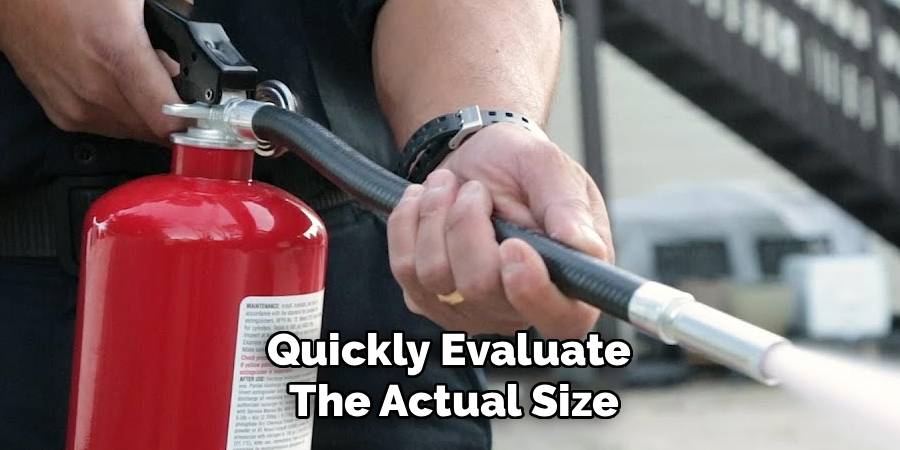
Before you act, take two seconds to assess what you’re dealing with. If the fire is larger than a wastebasket, already spreading, filling the room with thick smoke, or blocking your exit, do not attempt to fight it. Your job in that case is to get everyone out and call emergency services.
A fire extinguisher is designed for small, contained fires in their early stages. Attempting to fight a fire that has grown beyond that point puts you at serious risk. Trust your instincts — if the situation feels overwhelming before you’ve even picked up the extinguisher, evacuate immediately and let trained firefighters take over.
Step 3: Alert Others And Activate The Alarm
Before you attempt to fight any fire, make sure other people in the building are aware. Shout a clear warning, pull the nearest fire alarm, or have someone call emergency services while you take action. Never handle a fire alone without others knowing the situation.
This step is about creating a safety net. If the fire grows beyond control while you’re engaged, someone needs to be ready to call for help or guide people out. Fighting a fire while no one else knows about it is one of the most dangerous positions you can be in. Safety is always a team effort, even in a solo moment.
Step 4: Pull The Pin To Unlock The Extinguisher
Every fire extinguisher has a safety pin inserted through the handle to prevent accidental discharge. Grip the extinguisher firmly, locate the pin at the top of the handle, and pull it straight out. You may need to break a thin plastic tamper seal as you do this — that’s normal and expected.
Once the pin is removed, the extinguisher is live and ready to discharge. Handle it carefully and keep the nozzle pointed away from yourself and others. If you pull the pin and then decide not to use the extinguisher, do not attempt to reinsert it yourself. Have the device inspected and re-sealed by a professional before returning it to service.
Step 5: Aim Low At The Base Of The Fire
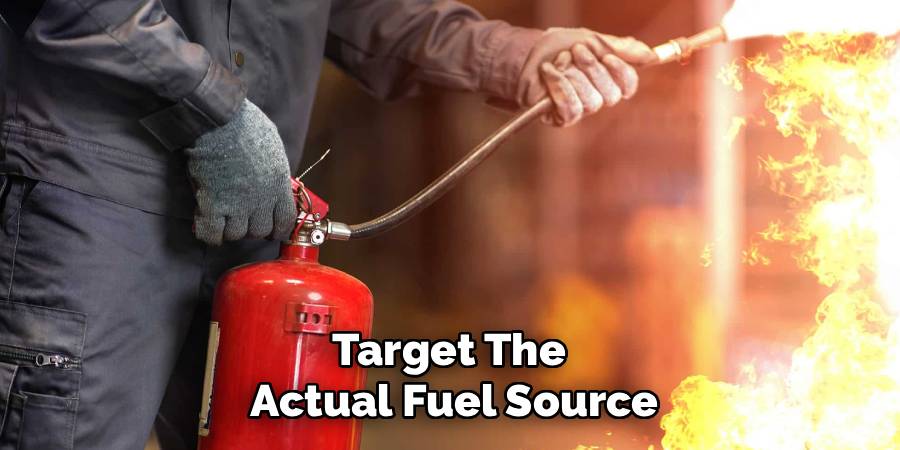
This is the step most people get wrong under pressure. The instinct is to aim at the flames, but the correct technique is to point the nozzle or hose at the base of the fire — the fuel source — not the visible flames above it.
Hitting the flames directly does almost nothing useful. The fire will continue burning as long as the fuel beneath it is igniting. By directing the extinguishing agent at the base, you’re cutting off the reaction at its source. Stand back at a safe distance of roughly six to eight feet before you begin discharging, and keep the nozzle aimed consistently at that base level throughout.
Step 6: Squeeze The Handle And Sweep Side To Side
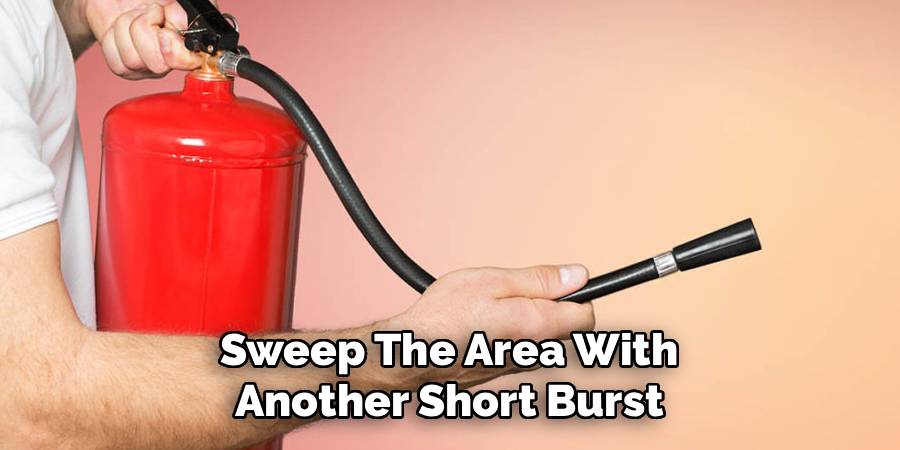
With the pin pulled and the nozzle aimed at the base, squeeze the handle firmly to begin discharge. Use a steady, controlled side-to-side sweeping motion across the base of the fire rather than holding the stream in one spot. Keep moving the nozzle consistently as the agent disperses.
Most portable extinguishers discharge for only eight to twelve seconds, so don’t waste time adjusting your stance once you’ve started. Stay focused, keep sweeping, and watch for the fire to reduce and die out. If you’re learning how to use fire extinguisher equipment for the first time, the sweeping motion is the part that surprises most people — it genuinely works better than targeting a single point.
Step 7: Back Away And Watch For Re-Ignition
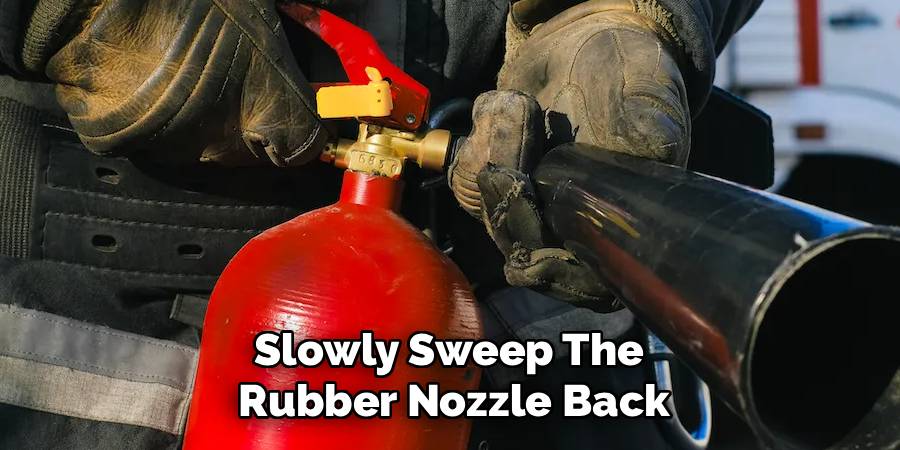
Once the fire appears to be out, don’t immediately turn your back on it. Back away slowly while continuing to watch the area. Some fires — particularly those involving flammable liquids or smoldering materials — can re-ignite within seconds if the heat source is still present.
If the fire reignites and you still have agent remaining in the extinguisher, repeat the aim-and-sweep process. If the extinguisher is empty and the fire comes back, evacuate immediately. Even when you believe the fire is fully out, contact emergency services to have the area inspected. Professionals can identify hidden hotspots that aren’t visible to the eye, which is the final reason why knowing how to use fire extinguisher properly goes beyond just the discharge moment.
Frequently Asked Questions
How Often Should A Fire Extinguisher Be Inspected?
Extinguishers should be visually checked once a month to ensure the pressure gauge reads in the correct range, the pin is intact, and there’s no visible damage or corrosion. A professional inspection is recommended annually. After any use — even partial — the extinguisher must be professionally recharged or replaced before it can be relied upon again.
What Does The PASS Technique Stand For?
PASS is a memory aid used in fire safety training. It stands for Pull the pin, Aim at the base, Squeeze the handle, and Sweep side to side. Following these four steps in order keeps your actions organized under pressure. It’s the same sequence covered in this guide, and it applies to virtually every portable extinguisher type you’re likely to encounter.
Can I Use A Fire Extinguisher On A Kitchen Grease Fire?
A standard ABC-rated extinguisher is not ideal for a grease fire because it can scatter the burning oil and spread the flames. A Class K extinguisher, designed specifically for cooking fires, is the correct tool. Alternatively, a fire blanket can smother a small pan fire safely. Never use water on a grease fire, as it causes a violent steam explosion that makes the situation far more dangerous.
How Long Does A Fire Extinguisher Last Before It Needs Replacing?
Most fire extinguishers have a recommended service life of five to twelve years, depending on the manufacturer and type. The expiration or manufacture date is usually stamped on the body or the label. Even within that window, any signs of rust, damage, low pressure, or previous discharge mean it should be replaced or serviced immediately rather than kept on standby.
Is It Safe To Stay And Fight A Fire Alone?
Fighting a fire alone is only appropriate if the fire is very small, you have a clear exit route behind you, you’ve already alerted others, and your extinguisher is the right type for the fire. The moment any of those conditions aren’t met, your priority should be evacuation. No property is worth a life, and a trained firefighter is always better equipped to handle a fire than an untrained individual with a single extinguisher.
Conclusion
Handling a fire emergency confidently comes down to preparation, not luck. You now know how to identify your extinguisher type, assess whether a fire is safe to engage, alert others before acting, and apply the PASS technique correctly from pin to sweep. You also know when to stop and evacuate — a judgment that matters just as much as the technical steps.
The best time to practice this knowledge is before you ever need it. Take a few minutes this week to locate your extinguishers, check the pressure gauges, and read the labels. Share what you’ve learned with your household or team. When the moment comes, knowing how to use fire extinguisher equipment correctly will make you someone who acts with purpose rather than freezes with fear — and that makes all the difference.

About
Alexis Kerr is a distinguished figure in the world of professional workspace optimization, with a decade of expertise creating innovative and ergonomic office environments. Her professional focus lies in merging organizational psychology with modern spatial design, fostering office setups that are both high-performing and employee-centric. As the lead author for Deskvity, Alexis Kerr delves into the art and science of corporate aesthetics and functionality, inspiring office managers and remote professionals alike.
Education Cornell University
(Ithaca, New York) Bachelor of Science in Design and Environmental Analysis Focus on human factors, workplace strategy, and sustainable interior environments. Gained extensive experience in how physical space influences productivity and mental clarity.
Savannah College of Art and Design (SCAD)
(Savannah, Georgia) Master of Fine Arts in Interior Design Specialized in commercial workspace solutions with a focus on blending digital integration with physical comfort. Participated in high-level industry projects to refine the balance between corporate branding and architectural utility.
Publications and Impact
In Deskvity, Alexis Kerr shares her insights on modern workspace trends, acoustic management, and strategies for efficient layout planning. Her writing bridges the gap between high-level architectural theory and practical day-to-day office needs, making it a must-read for both facility directors and individual professionals looking to elevate their work environment.