

There’s a certain satisfaction in using a well-built keyboard. Mechanical keys, in particular, have their own fanbase—a group quick to praise the crisp response or the clack of each keystroke. Add wireless functionality, and suddenly you’re not restricted to a single desk or tangle of cords. That’s part of the appeal of Skyloong: keyboards built to withstand use, with an eye-catching glow that—let’s admit—might be a bit much for some, but irresistible for many gamers and enthusiasts.
Still, the convenience of going wireless can vanish with the manual. It’s surprising how quickly a tiny booklet gets lost. If you’ve misplaced yours, don’t worry—I’ve blundered through the pairing process enough times to write this guide on how to connect skyloong keyboard bluetooth. What follows isn’t magic, but it should get your Skyloong keyboard snipping the cord and talking to your device over Bluetooth.
What is Bluetooth?
Bluetooth is a wireless technology that allows electronic devices to communicate with each other over short distances. It was first developed in 1994 by a group of engineers at Ericsson, a Swedish telecommunications company. The name “Bluetooth” comes from the nickname of King Harald Bluetooth, who united different tribes in Scandinavia just as the technology was intended to unite different devices.
How does Bluetooth work?
Bluetooth uses radio waves to transmit data between devices. It works on a low-power frequency and operates within a range of about 10 meters. When two Bluetooth-enabled devices are within range of each other, they can pair and establish a connection. This allows them to share data and perform various functions, such as transferring files, streaming audio, and controlling other devices.
Bluetooth connections are typically secure, using a process called pairing to ensure that only authorized devices can communicate with each other. Pairing involves exchanging security codes or passkeys between the two devices. Once paired, the devices can communicate without the need for additional authorization.
Tools and Materials You’ll Need
- Skyloong Keyboard
- Bluetooth-enabled device (such as a smartphone, tablet, or laptop)
- USB cable
- Power source (e.g., AC adapter or power bank)
- User manual (included with the keyboard)
7 Simple Step-by-step Guidelines on How to Connect Skyloong Keyboard Bluetooth
Step 1: Make Sure the Keyboard Isn’t Dead
I can’t stress this enough: a drained battery is an avoidable disaster. More than once, I’ve thought something was wrong only to realize my keyboard simply needed a charge. Ten minutes might be sufficient, but half an hour on the USB-C cable gives certainty. Once you’ve got enough power, you can keep it plugged in during setup—or not. It won’t mind either way. Remember, enough charge helps ward off mid-connection hiccups and keeps the link stable.
Step 2: Find and Flip the Bluetooth Switch
This part might take a bit of squinting. Skyloong usually puts its physical switches on the reverse side, sometimes tucked beside a branding sticker. You’re after the one that shuffles between wired and wireless modes. Be patient; flipping to Bluetooth might take a few tries if your fingers are big or the switch is recessed. If you land in the right position, some indicator should blink to let you know the keyboard is ready to listen.
Step 3: Guide the Keyboard Into Pairing Mode
Here’s where some confusion creeps in for owners of different models. Most Skyloong devices use the familiar ‘Fn’ combo. Hold down ‘Fn’ and either ‘Z’, ‘X’, or ‘C’—sometimes it’s ‘1’, ‘2’, or ‘3’. If the backlight beneath your chosen key blinks in quick succession, you’ve nailed it. No flash? Try holding the combo a second longer. It wants to be found, but it takes some coaxing.
Step 4: Open the Bluetooth Settings on Your Device
Don’t overthink this; every major operating system buries the Bluetooth controls in a slightly different place. With Windows, hit the Start menu, then head to Settings and poke around for ‘Bluetooth & devices’. Make sure Bluetooth isn’t just present—it needs to be switched on. Mac users should look in System Preferences. Phones and tablets? Hunt for Bluetooth in Settings. Keep this screen open so you can see what your device picks up from the ether.
Step 5: Spot Your Keyboard and Initiate Pairing
Here’s where patience comes in handy. Your keyboard, once broadcasting, ought to pop up among nearby devices. The name won’t always be obvious—sometimes it’s “Skyloong BT Keyboard,” other times just a shorthand model code like SK61. If you see more than one similar name, refer to the model on your keyboard’s underside. Select it. Now, your device will attempt to make contact.
During this moment, the fast blinking from before slows down or shifts to a new color. A subtle but reassuring cue that everything’s progressing.
Step 6: Wrap Up the Pairing Process
You might be asked to confirm a code; this is a safety net to prevent strangers from hijacking your peripherals. If so, type the code on your Skyloong and hit Enter. No code? Fine—the handshake happens quietly in the background. Once things connect, the lights on your keyboard go steady or resume their regular RGB show, and your computer should plainly announce that the device is “Connected.”
Step 7: Sanity Check—Does It Actually Work?
Connection is one thing; actual typing, another. Don’t skip this. Open a word processor or any simple text field. Tap out some nonsense, write a quick note—whatever it takes. Watch for lag. Missing keystrokes may suggest lingering connection issues—often the battery’s not up to snuff, but sometimes interference from other wireless gadgets is to blame. If all’s well, you’re in business.
Switching between devices later is possible—just hold the ‘Fn’ key with whichever profile key you previously assigned. The keyboard should remember each device, letting you swap with a keypress.
Following these steps on how to connect skyloong keyboard Bluetooth, you should now be able to use your keyboard wirelessly with any compatible device. Now let’s explore some additional ways to maximize the use of your Bluetooth keyboard.
Common Mistakes to Avoid
You’d be surprised how many issues come from the basics. Leaving the Bluetooth switch off? It happens—frequently. Tap-and-release pairing attempts usually fail; hold the keys down, give it a few slow seconds.
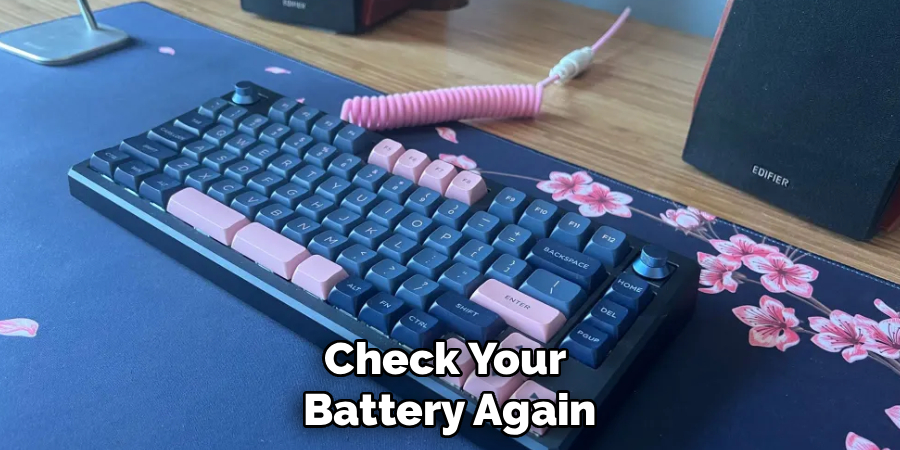
If you’re repeatedly losing connection, check your battery again, and then step back to look for sources of interference—smart speakers, routers, or too many neighboring Bluetooth devices can cause chaos.
If you’re still having trouble connecting, try resetting your keyboard by turning it off and on again or removing the battery and reinserting it. You may also need to unpair and repair the device.
Should You Call in a Professional?
Honestly? No. This process feels intimidating, but it is built for everyday users. Only consider calling in outside help if, after painstaking attempts with different computers or phones, absolutely nothing is happening.
At that point, you may have a rare hardware issue, in which case Skyloong’s support staff is surprisingly helpful, at least in my experience.
Frequently Asked Questions
Q1: How Do I Switch Between Different Bluetooth Devices?
Most models support up to three simultaneous pairings. If you want to change devices, press and hold ‘Fn’ and your chosen profile key—‘Z’, ‘X’, or ‘C’ generally do the trick. This disconnects you from one device and connects to another. Quick and painless.
Q2: Why Is My Keyboard Lagging or Disconnecting?
Lag usually points to a low battery or, less commonly, interference from other wireless gadgets—think WiFi routers or even microwaves. Make sure you’re within a reasonable distance (roughly 30 feet is a safe bet) and that there’s a clear path—walls and metal objects are known culprits. If all else fails, try rebooting both the keyboard and the host device.
Q3: Can I Use the Keyboard While it Charges?
Yes, you can. Leave it in Bluetooth mode and stay wireless, or toggle to wired if you prefer the reassurance of a constant connection. Both work. The keyboard won’t complain either way.
Q4: How Do I Clean My Keyboard?
To clean your keyboard, use a soft cloth or compressed air to remove any dust or debris. If there are any stubborn stains, lightly dampen the cloth with water or rubbing alcohol and gently wipe the affected area. Avoid using harsh chemicals as they can damage the keyboard’s surface. Additionally, make sure to regularly clean the keys and empty any debris that may have accumulated underneath them.
Q5: Can I Use a Keyboard Protector?
Yes, you can use a keyboard protector to prevent dust and debris from getting between the keys. However, be sure to choose one that is specifically designed for your keyboard model to ensure proper fit and functionality. Also, make sure to regularly clean and replace the protector as needed.
Ready to Enjoy Your Wireless Setup
Wireless keyboards really do declutter and, if I’m honest, spark a slight sense of freedom from the desk. Once the pairing ritual is complete, you’ll find life much neater—and perhaps a bit more satisfying—a keyboard tap away.
Keep your battery charged, memorize your shortcuts, and it ought to be smooth sailing from here. Thanks for reading this guide on how to connect skyloong keyboard bluetooth.
