

A fire extinguisher is easy to forget until you need it, but it does not last forever. Over time, it can lose pressure, become damaged, expire, or no longer meet safety needs. When that happens, you should not toss it in the trash or leave it sitting in a garage for years.
If you are searching for how to dispose of fire extinguisher, the most important thing to know is that the right method depends on the extinguisher type, whether it is full or empty, and your local disposal rules. Some units contain pressurized chemicals, while others may be accepted for recycling after they are safely discharged.
Proper disposal protects sanitation workers, prevents accidental discharge, reduces environmental harm, and keeps your home or workplace safer. This guide explains the process in simple steps so you can handle an old, expired, damaged, or used extinguisher with confidence.
Why Proper Fire Extinguisher Disposal Matters
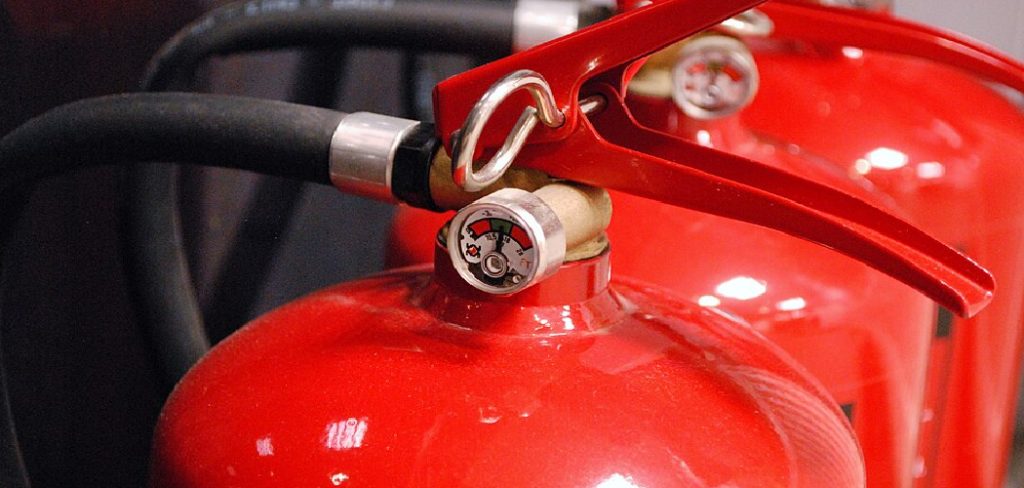
Fire extinguishers are safety tools, but they can create risks when handled the wrong way. Many are pressurized, and some contain dry chemical powder, carbon dioxide, foam, or other agents that should not be released carelessly.
Proper disposal helps prevent explosions, chemical exposure, and waste facility accidents. It also helps keep recyclable metal cylinders out of landfills when recycling is allowed.
Safe handling matters for your family, employees, waste collectors, and local environment. It also gives you a chance to replace an old extinguisher before an emergency happens. A clear disposal plan helps you remove unsafe equipment and keep reliable protection ready.
Step-By-Step Guide To Safe Fire Extinguisher Disposal
Step 1: Identify The Extinguisher Type
Start by reading the label on the cylinder. Most home and office extinguishers are dry chemical units labeled for class a, b, or c fires. You may also see carbon dioxide, water, foam, wet chemical, or clean agent extinguishers.
The type matters because each one may have different disposal rules. A small household dry chemical extinguisher may be handled differently from a commercial co2 unit or a restaurant wet chemical system cylinder.
A safe approach to how to dispose of fire extinguisher begins with knowing what is inside it. If the label is missing or unreadable, treat the extinguisher as potentially pressurized and contact your local fire department or hazardous waste program for guidance.
Step 2: Check The Pressure Gauge
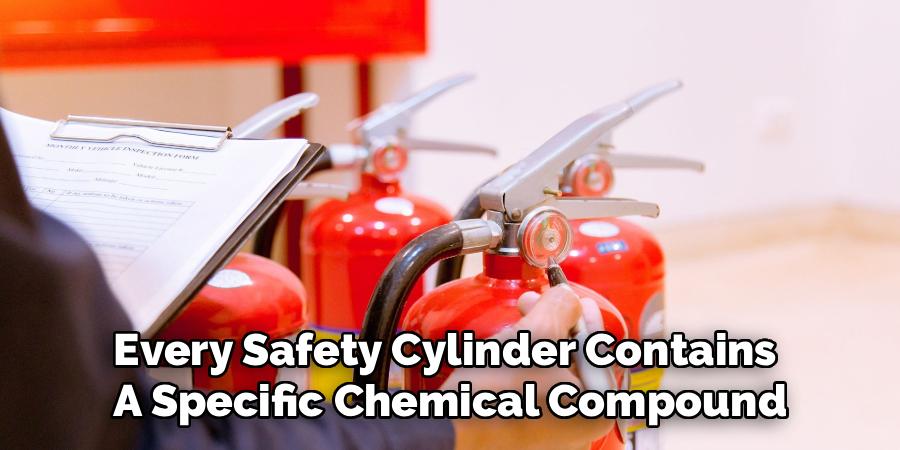
Look at the pressure gauge before doing anything else. Most portable extinguishers have a needle that points to a green, red, or empty zone. If the needle is in the green area, the extinguisher may still be pressurized even if it is old or expired.
A pressurized cylinder needs extra care. Do not puncture it, crush it, throw it in a dumpster, or place it in regular recycling. Pressure can make the cylinder dangerous during transport or waste processing.
If the gauge shows empty, continue carefully. Some extinguishers may still contain residue or a small amount of pressure. Handle the cylinder gently and keep the nozzle pointed away from people, pets, and fragile surfaces.
Step 3: Review Local Disposal Rules
Disposal rules vary by city, county, and state. Before you discharge or transport the extinguisher, check with your local waste authority, fire department, recycling center, or household hazardous waste facility.
Some areas accept expired extinguishers during hazardous waste drop-off events. Others ask residents to bring them to a permanent collection site. Some recycling centers accept empty metal cylinders only after the head has been removed, while others do not accept them at all.
Businesses may have stricter rules than homeowners, especially if they manage several extinguishers. If the extinguisher came from a workplace, ask your safety manager, building manager, or licensed fire protection company before taking action.
Step 4: Decide If It Can Be Recharged
Not every old extinguisher should be thrown away. Some rechargeable models can be serviced, refilled, inspected, and returned to use. This is common with metal commercial extinguishers that have a service tag, a removable valve assembly, and no serious damage.
Look for signs that service may be possible. A rechargeable unit often has a metal valve and a label that says it can be recharged after use. A disposable unit often has a plastic valve or label that says it is non-rechargeable.
If the cylinder is dented, rusted, leaking, missing parts, or past its safe service life, replacement is usually better. A licensed fire extinguisher service company can inspect it and explain whether recharge makes sense.
Step 5: Discharge It Only If It Is Safe
If local rules allow you to empty a small household extinguisher yourself, do it carefully and outdoors. Choose a clear, open area away from people, pets, vehicles, drains, plants, and anything that could be damaged by powder or residue.
Hold the extinguisher upright, point the nozzle away from your body, and squeeze the handle until nothing comes out. Keep your face away from the discharge path. Dry chemical powder can irritate your eyes, skin, throat, and lungs.
Do not discharge large, commercial, damaged, leaking, unknown, or specialty extinguishers without professional advice. When in doubt, contact a fire extinguisher service company or hazardous waste facility instead of guessing.
Step 6: Let The Cylinder Sit After Emptying
After discharge, let the extinguisher sit in a safe place for a period of time. This helps confirm that the cylinder is fully depressurized. Keep it upright and away from heat, flames, children, and pets.
Check the gauge again if it has one. The needle should show empty or zero pressure. Press the handle briefly outdoors to see whether any remaining agent or pressure comes out. If it still releases material, treat it as not fully empty.
This waiting step may feel minor, but it reduces risk before transport, recycling, or further handling. A cylinder that appears empty can still contain trapped pressure, so patience is part of safe disposal.
Step 7: Remove The Head Only When Allowed
Some recycling centers require the extinguisher head or valve to be removed before accepting the metal cylinder. This shows that the unit is empty and cannot build pressure. However, you should only remove the head if local rules require it and the extinguisher is fully depressurized.
Use caution because forcing a valve on a pressurized cylinder can be dangerous. If the head does not loosen easily, stop and ask a professional for help. Never cut, drill, saw, or puncture the cylinder.
For beginners learning how to dispose of fire extinguisher, this is one of the most important safety points. Removing parts is not always needed, and it should never be done before confirming the unit is empty.
Step 8: Use Approved Drop-Off Or Recycling Options
Once you know the extinguisher type and condition, choose the approved disposal route. If it is still pressurized, damaged, or contains chemical agent, take it to a household hazardous waste facility or ask a fire protection company about disposal.
If it is empty and your local recycler accepts it, the metal cylinder may be recyclable. Some fire departments also provide guidance, though not all accept extinguishers directly. Call before visiting so you do not waste a trip.
Transport the extinguisher upright if possible and keep it from rolling around in your vehicle. Do not leave it in a hot car for long periods. Safe transport is part of safe disposal.
Frequently Asked Questions
Can I Throw An Old Fire Extinguisher In The Trash?
You should not place a fire extinguisher in regular trash unless your local waste authority clearly says it is allowed and the unit is fully empty. Many extinguishers are pressurized, and that can create hazards for garbage trucks and waste workers. The safer choice is to contact your local hazardous waste program, fire department, or recycling center for instructions.
How Do I Know If My Fire Extinguisher Is Expired?
Check the label, inspection tag, manufacturing date, and pressure gauge. Many disposable household extinguishers have a useful life of several years, while rechargeable units need regular inspection and maintenance. If the gauge is not in the green zone, the cylinder is damaged, or the label is unreadable, treat the extinguisher as unreliable and ask a professional about replacement or disposal.
Are Empty Fire Extinguishers Recyclable?
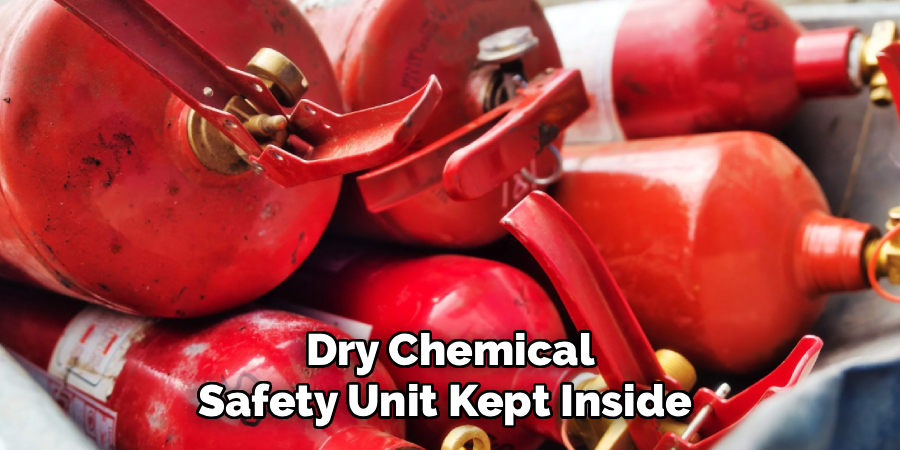
Some empty fire extinguishers are recyclable because the cylinder is often made of steel or aluminum. However, recycling centers usually require the unit to be fully discharged, depressurized, and sometimes separated from the valve or head. Rules vary by location, so call the facility first. Do not assume curbside recycling will accept it, even if the cylinder looks empty.
What Should I Do With A Damaged Or Rusty Extinguisher?
A damaged, rusty, leaking, or dented extinguisher should be handled as a safety risk. Do not try to discharge it, repair it, or remove parts without professional advice. Corrosion and damage can weaken the cylinder or affect pressure control. Contact a fire extinguisher service company, local fire department, or hazardous waste facility to learn the safest disposal option.
Can A Fire Extinguisher Be Refilled Instead Of Disposed Of?
Many rechargeable extinguishers can be refilled after use or when pressure is low, but disposable models usually cannot. A service technician can inspect the cylinder, valve, hose, gauge, and safety pin to decide if it is still usable. Refilling can be cost-effective for commercial-grade units, but replacement is often better for small disposable household extinguishers.
Conclusion
Safe fire extinguisher disposal starts with simple checks. Identify the type, confirm whether it is pressurized, follow local rules, and use approved hazardous waste or recycling options. Avoid throwing it in the trash, puncturing the cylinder, or removing parts before it is fully empty.
Once you know how to dispose of fire extinguisher, you can remove an old unit safely and replace it with one that is ready for an emergency. If you are unsure at any point, call your local fire department, waste authority, or a licensed fire protection company before taking the next step.

About
Alexis Kerr is a distinguished figure in the world of professional workspace optimization, with a decade of expertise creating innovative and ergonomic office environments. Her professional focus lies in merging organizational psychology with modern spatial design, fostering office setups that are both high-performing and employee-centric. As the lead author for Deskvity, Alexis Kerr delves into the art and science of corporate aesthetics and functionality, inspiring office managers and remote professionals alike.
Education Cornell University
(Ithaca, New York) Bachelor of Science in Design and Environmental Analysis Focus on human factors, workplace strategy, and sustainable interior environments. Gained extensive experience in how physical space influences productivity and mental clarity.
Savannah College of Art and Design (SCAD)
(Savannah, Georgia) Master of Fine Arts in Interior Design Specialized in commercial workspace solutions with a focus on blending digital integration with physical comfort. Participated in high-level industry projects to refine the balance between corporate branding and architectural utility.
Publications and Impact
In Deskvity, Alexis Kerr shares her insights on modern workspace trends, acoustic management, and strategies for efficient layout planning. Her writing bridges the gap between high-level architectural theory and practical day-to-day office needs, making it a must-read for both facility directors and individual professionals looking to elevate their work environment.