

Welcome, fellow home gardeners! We spend countless hours outdoors tending to vibrant vegetable patches and delicate flower beds. However, planning those beautiful spring layouts and researching rare heirloom seeds requires a dedicated indoor workspace. If your desk is cluttered with old seed packets and messy soil test kits, focusing on your botanical research becomes incredibly difficult. Understanding exactly how to organize office furniture provides the perfect foundation for a highly productive indoor gardening headquarters.

You do not need expensive interior design skills to create a peaceful, efficient room. This beginner-friendly guide walks you through simple, highly practical methods to arrange your desk, chairs, and filing cabinets. Let us grab a tape measure and transform your cluttered indoor room into a beautiful, inspiring sanctuary for all your future landscaping plans!
Why Your Indoor Planning Space Needs Structure
Just as a thriving garden requires careful companion planting and dedicated walking paths, your indoor research room needs logical structure. When you haphazardly toss heavy filing cabinets and large wooden desks into a room without a solid plan, you completely disrupt the natural energy flow. You end up bumping into sharp desk corners while carrying heavy stacks of landscaping catalogs.
By thoughtfully arranging your workspace, you create clear, unobstructed pathways that mimic the beautiful, winding stone trails in your backyard oasis. A well-structured room allows natural sunlight to reach your desk, providing the perfect environment for germinating small indoor seedlings while you sketch out next year’s raised garden beds. Proper arrangement actively reduces physical strain, prevents unnecessary clutter from taking root, and turns your basic indoor study into a wonderfully productive botanical planning center.
Step-by-Step Guide: How to Organize Office Furniture
Step 1: Clear the Entire Room Completely
Before planting new crops, you always clear the garden bed of old weeds and debris. You must apply this exact same logic to your indoor workspace. Remove every single chair, filing cabinet, and decorative plant stand from the room. Creating a completely blank canvas allows you to visualize the raw space without any visual distractions. Sweep the floors thoroughly and wipe down the baseboards to remove any lingering dirt or dust. Starting with an entirely empty room prevents you from simply shifting old clutter from one dark corner to another. It provides the fresh, barren soil necessary to cultivate a truly functional, highly inspiring research environment for your seed catalogs.
Step 2: Identify the Natural Light Sources
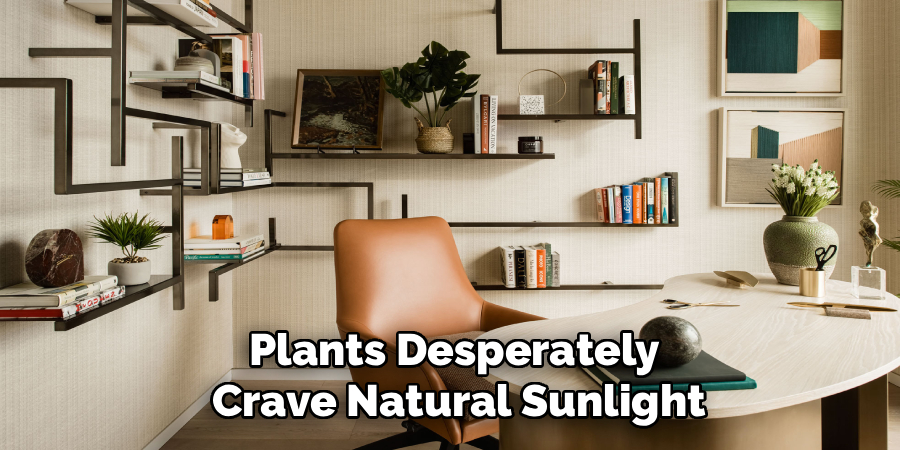
Plants desperately crave natural sunlight, and human beings require the exact same bright energy to remain focused during long planning sessions. Locate the primary windows in your room and note exactly how the bright afternoon sun travels across the floor. You want to position your primary workspace close to these brilliant light sources without creating a blinding glare on your computer monitor. Placing your desk perpendicular to the largest window provides wonderful ambient illumination for reading tiny text on seed packets. Harnessing natural sunlight boosts your overall mood and provides the perfect environment for the small potted succulents resting nearby.
Step 3: Position Your Primary Desk First
Your heavy wooden desk serves as the absolute center of your entire indoor operation, much like a massive oak tree anchoring your backyard landscape. You must carefully maneuver this massive piece into its permanent position before adding any smaller items. Place the desk in a commanding spot where you can easily see the main doorway while enjoying a pleasant view of your outdoor garden through the window. Avoid pushing the desk directly flat against a dark, blank wall, as this creates a highly restrictive, cramped feeling. Establishing this massive anchor point correctly dictates exactly where the remaining items will eventually live.
Step 4: Establish Clear Walking Pathways
A beautiful backyard features wide, unobstructed gravel paths that allow you to push a heavy wheelbarrow effortlessly. Your indoor room requires these exact same dedicated navigation lanes. As you learn the best techniques for how to organize office furniture, you must leave at least three feet of empty walking space around your primary chair. Never place heavy filing cabinets or bulky bookcases directly behind your seating area. You need plenty of physical room to roll your chair backward and stand up without bumping your knees. Clear pathways guarantee you can safely carry heavy stacks of gardening books across the room without stumbling.
Step 5: Arrange Your Heavy Filing Cabinets
Gardeners collect massive amounts of physical paperwork, including soil test results, landscaping blueprints, and thick equipment manuals. You need sturdy filing cabinets to hold these vital documents, but they should never dominate your primary visual space. Slide these heavy metal storage units into the secondary corners of the room, keeping them highly accessible but out of your direct line of sight. Placing them near the secondary wall ensures they do not block the natural sunlight pouring through your windows. Treating these cabinets like the quiet, reliable compost bins of your indoor space keeps your primary focus squarely on your creative landscaping tasks.
Step 6: Set Up a Dedicated Reading Nook
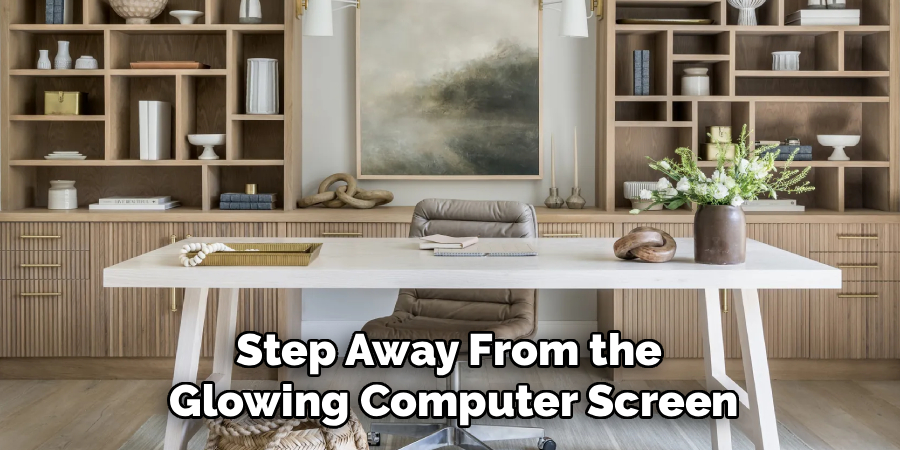
Sometimes you simply want to step away from the glowing computer screen and flip through a beautiful, glossy botanical magazine. Create a secondary relaxation zone by placing a comfortable upholstered armchair in a quiet, sunny corner of the room. Add a small wooden side table to hold your morning coffee and a tall floor lamp for cloudy afternoon reading sessions. This dedicated comfort zone acts exactly like a peaceful wooden bench resting under a shady backyard willow tree. Providing a comfortable space away from your primary desk encourages deep, uninterrupted creative thinking for your upcoming spring planting strategies.
Step 7: Introduce Indoor Botanical Elements
No dedicated gardening headquarters is truly complete without vibrant, living greenery breathing fresh life into the indoor atmosphere. Place several low-maintenance potted plants directly on top of your filing cabinets and wooden bookshelves. Choose hardy varieties like snake plants, pothos, or cascading ivy that thrive wonderfully in standard indoor conditions. These beautiful living elements soften the harsh, rigid edges of your metal filing cabinets and heavy wooden desk. Surrounding your workspace with lush foliage constantly reminds you of your wonderful outdoor passions, bridging the gap perfectly between your indoor planning sessions and your beautiful exterior landscaping projects.
Step 8: Hide the Messy Electronic Cables
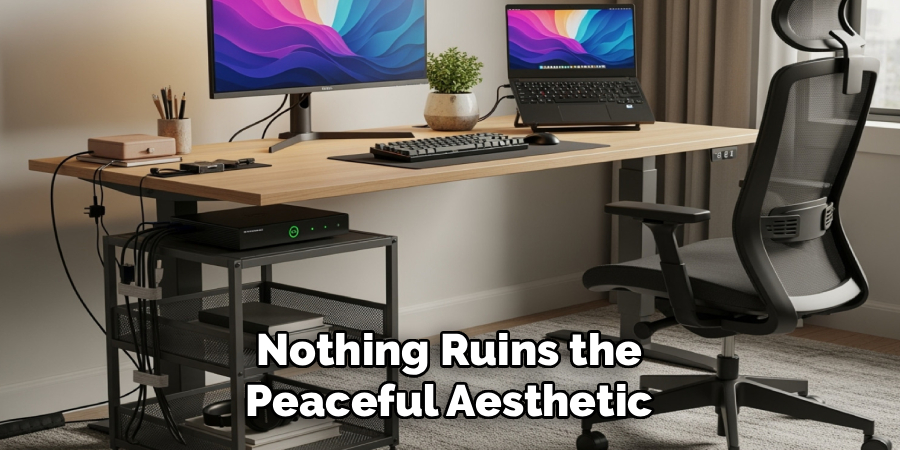
Nothing ruins the peaceful aesthetic of a beautifully structured room faster than a tangled, chaotic web of black computer cords. These messy wires look exactly like invasive, strangling vines choking the life out of your delicate vegetables. Use simple plastic zip ties or flexible cable sleeves to bundle these annoying cords together tightly. Route them carefully along the back legs of your wooden desk so they remain completely invisible from the main doorway. Taming this electronic jungle ensures your newly arranged room looks incredibly pristine, highly professional, and perfectly ready for a productive afternoon of online seed shopping.

Frequently Asked Question
How Much Space Do I Need Behind My Desk?
- You should always leave a minimum of thirty-six inches of completely empty space directly behind your primary desk.
- This vital physical gap allows you to easily push your chair backward and stand up without feeling trapped.
- Cramping this space forces you to squeeze awkwardly around your heavy furniture, eventually causing severe lower back pain.
- Treat this specific zone exactly like the main walking path in your vegetable garden.
- Proper clearance guarantees a comfortable, highly ergonomic environment for those long winter planning sessions.
Should My Desk Face The Window Directly?
- Facing a bright, sunlit window directly sounds absolutely wonderful, but it often creates severe visual strain over time.
- The intense afternoon sunlight causes a massive, blinding glare right behind your computer monitor.
- Instead, position your wooden desk completely perpendicular to the glass panes.
- This strategic angle allows the beautiful natural light to wash softly across your keyboard without blinding you.
- You still retain a wonderful view of your outdoor flower beds simply by turning your head slightly.
Where Should I Store My Seed Catalogs?
- Thick, heavy landscaping catalogs rapidly clutter your clean desktop if you leave them sitting out continuously.
- Place a tall, sturdy wooden bookcase along the secondary wall of your room specifically for these reference materials.
- Organize the heavy books on the bottom shelves to anchor the tall furniture piece safely to the floor.
- Use the higher shelves for displaying your collection of beautiful vintage watering cans or small potted succulents.
- Dedicated vertical storage keeps your primary work surface entirely clear for sketching new garden blueprints.
Does A Rug Help Define The Workspace?
- Yes, laying down a large, textured area rug works absolute wonders for anchoring your floating furniture pieces visually.
- A thick rug acts exactly like a fresh layer of dark mulch, completely tying the entire visual landscape together.
- Ensure the rug is large enough so that all four legs of your desk and your chair rest entirely on the fabric.
- This prevents your rolling chair from constantly catching on the raised carpet edge while you work.
- It also adds a wonderful layer of acoustic dampening to the room, keeping your space perfectly quiet.
Can I Mix Different Furniture Styles Together?
- You absolutely do not need a perfectly matched, expensive showroom set to create a beautifully functional indoor workspace.
- Mixing a sleek modern glass desk with a rustic, heavily weathered vintage filing cabinet adds immense personal character.
- This eclectic styling approach mimics the wonderful, diverse visual texture of a wild English cottage garden.
- Simply tie the disparate pieces together by using matching desk accessories or similar potted plants throughout the room.
- Embracing a mixed aesthetic keeps your creative environment feeling warm, inviting, and uniquely yours.
Conclusion
Designing the perfect indoor environment for researching rare plants and sketching backyard blueprints is an incredibly rewarding weekend project. By taking the time to clear the room entirely, establishing your massive desk as the primary focal point, and creating wide walking paths, you guarantee a remarkably smooth workflow. You no longer have to worry about bumping your shins on heavy metal filing cabinets while carrying stacks of thick seed catalogs across the room.
Understanding the proper methods regarding how to organize office furniture empowers you to build a highly inspiring sanctuary. You can apply the exact same deliberate patience you use when designing your raised vegetable beds directly to your indoor study. The noticeable improvement in your daily focus serves as a fantastic reward for your careful interior arranging efforts. Grab your tape measure, clear out the old clutter, and transform your messy room into a brilliant botanical headquarters today!
