

A fire extinguisher is only useful when it is charged, sealed, and ready to work at a moment’s notice. After any discharge, even a short burst, the unit may lose pressure or agent and become unreliable. That is why refilling is not just a maintenance task; it is a safety step that protects homes, workplaces, vehicles, and equipment.
This guide explains how to refill fire extinguisher in a safe, beginner-friendly way. You will learn what happens during a proper refill, when a unit should be serviced, and why most extinguishers should be handled by a trained technician rather than treated like a simple household container.
Refilling involves more than adding powder, foam, water, or gas. The extinguisher must be inspected, cleaned, filled with the correct agent, pressurized to the right level, leak-tested, sealed, and labeled. By understanding each step, you can make better decisions and avoid using an unsafe extinguisher in an emergency.
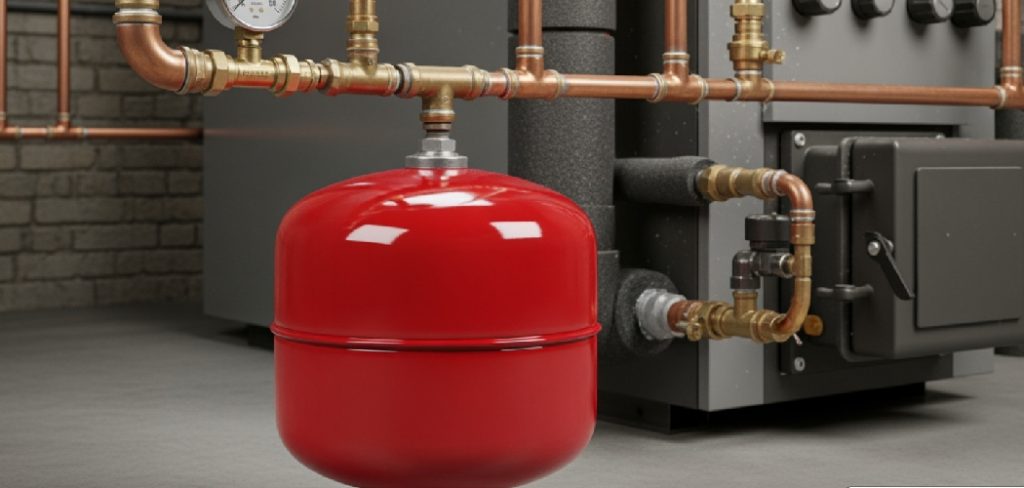
Why Refilling A Fire Extinguisher Matters
Proper refilling keeps a fire extinguisher dependable. If the pressure is too low, the agent may not discharge with enough force. If the wrong agent is used, it may fail on the type of fire it is meant to control. If the cylinder is damaged, pressurizing it can be dangerous.
A correct refill also helps meet safety rules in workplaces, rental properties, commercial buildings, and public spaces. It extends the life of serviceable extinguishers and prevents waste from replacing units that can still be safely maintained.
Most importantly, refilling gives you confidence. When a fire starts, you do not have time to wonder whether the extinguisher will work.
Step-By-Step Guide To How To Refill Fire Extinguisher
Step 1: Confirm The Extinguisher Is Refillable
Start by checking the label, model, and construction of the extinguisher. Some small disposable units are not designed to be recharged. These usually have plastic heads, limited service markings, or labels that say they must be replaced after use.
A refillable extinguisher often has a metal valve assembly, a pressure gauge, service information, and markings that show the agent type. If the label is missing, unreadable, or damaged, do not guess. A fire safety professional can identify whether the unit can be serviced safely or should be removed from use.
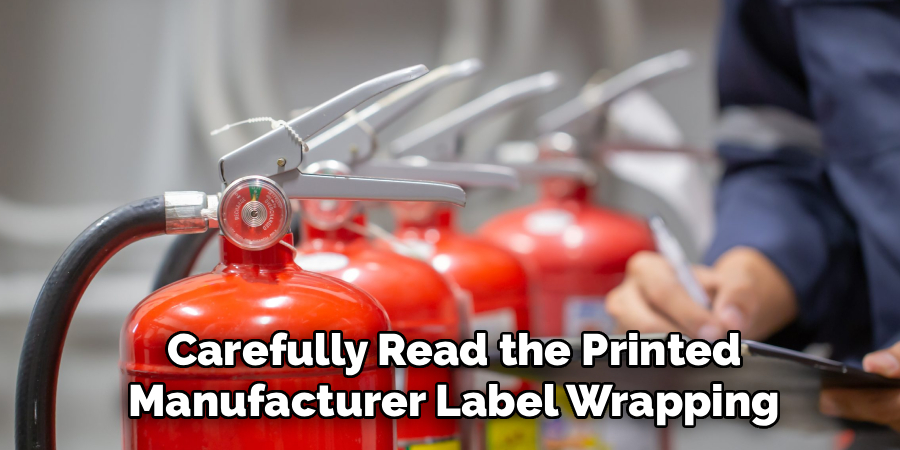
Step 2: Check The Type And Rating
Before any refill work begins, confirm the extinguisher class and agent type. Common units include dry chemical, carbon dioxide, water, foam, and wet chemical extinguishers. Each one is designed for certain fire risks, such as ordinary combustibles, flammable liquids, electrical equipment, or cooking oils.
When people search for how to refill fire extinguisher, they often assume the process is the same for every model. It is not. Using the wrong agent can make the extinguisher unsafe or ineffective. Always match the refill agent to the label, rating, and manufacturer’s instructions.
Step 3: Inspect The Cylinder And Valve
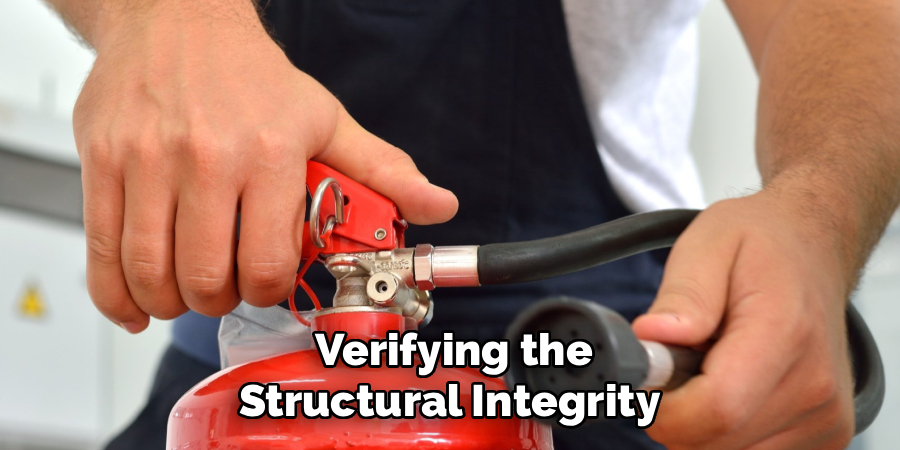
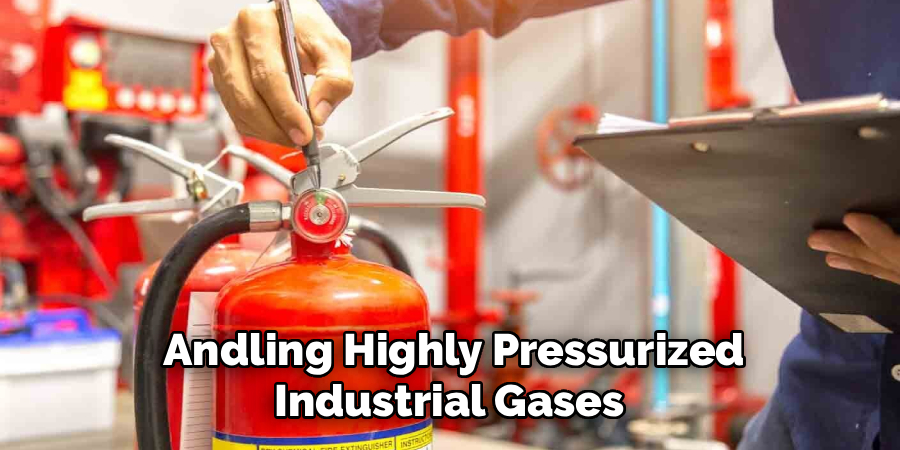
A safe refill starts with a careful physical inspection. Look for dents, rust, deep scratches, cracked hoses, broken handles, damaged gauges, or signs of leakage around the valve. These issues can show that the extinguisher is no longer safe to pressurize.
The technician also checks the valve threads, pull pin, tamper seal area, hose connection, and nozzle. If the cylinder has failed a required hydrostatic test or is past its service life, it should not be refilled. Refilling a damaged cylinder can create serious pressure hazards.
Step 4: Discharge And Depressurize The Unit
If the extinguisher still has pressure, it must be safely discharged or depressurized before opening. This step should be done in a controlled area with the right equipment, especially for dry chemical or carbon dioxide units. The remaining agent should not be released casually indoors or near people.
Pressure inside an extinguisher can be dangerous if the valve is removed too soon. A trained person verifies that the gauge reads empty and that no trapped pressure remains. Only then can the valve assembly be removed for cleaning, inspection, and service.
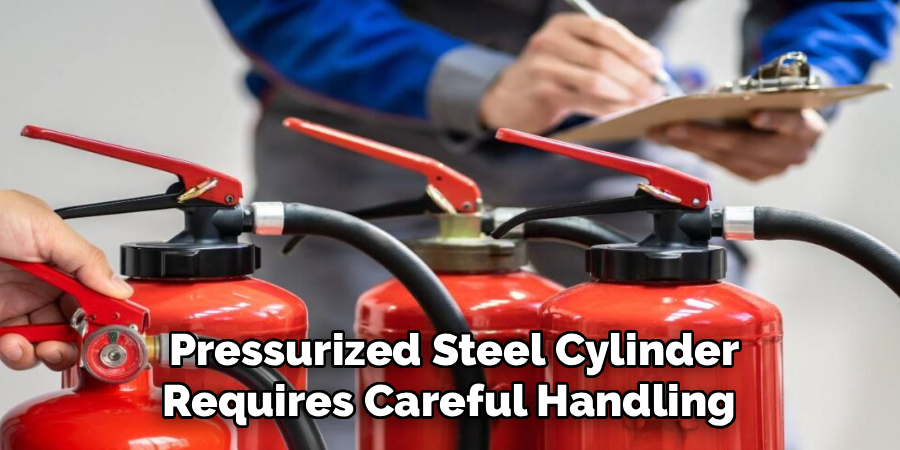
Step 5: Clean Internal Parts And Remove Residue
After the extinguisher is opened, the inside of the cylinder and valve components need inspection and cleaning. Old dry chemical powder can clump, absorb moisture, or block the discharge tube. Foam or water-based agents can leave residue that affects performance.
The siphon tube, valve, hose, and nozzle should be checked for blockage. Even a small obstruction can limit discharge during a fire. Cleaning also helps reveal corrosion inside the cylinder. If rust, pitting, or contamination is found, the extinguisher may need further testing or replacement instead of a simple refill.
Step 6: Add The Correct Extinguishing Agent
The extinguisher must be filled with the correct amount of approved agent. Too little agent reduces firefighting capacity, while too much can affect pressurization and discharge. Service providers use scales and manufacturer specifications to measure the fill accurately.
A safe answer to how to refill fire extinguisher always includes controlled filling, not guesswork. Dry chemical agents must stay clean and free-flowing. Water, foam, and wet chemical agents must match the exact formula required for the unit. Carbon dioxide extinguishers require specialized filling equipment because the agent is stored under high pressure.
Step 7: Pressurize And Leak-Test The Extinguisher
Once the correct agent is inside, the extinguisher is reassembled and pressurized according to its design. Many dry chemical extinguishers use nitrogen as the pressurizing gas. The pressure must match the service range shown on the label and gauge.
After pressurizing, the unit must be checked for leaks. This may include watching the gauge, applying leak-detection solution around fittings, and inspecting the valve, hose, and cylinder neck. A slow leak can make the extinguisher useless later, even if it looks fine right after service.
Step 8: Seal, Label, And Store It Correctly
The final step is documentation and proper storage. A serviced extinguisher should receive a new tamper seal, service tag, and updated inspection record. The tag usually shows the service date, technician information, and type of maintenance performed.
After refilling, place the extinguisher where it is easy to see and reach. Keep it mounted upright unless the manufacturer says otherwise. Avoid extreme heat, freezing conditions, moisture, and physical damage. Check the gauge regularly and inspect the hose, pin, seal, and body so problems are caught before an emergency.
Frequently Asked Questions
Can I Refill A Fire Extinguisher Myself?
In most cases, you should not refill a fire extinguisher yourself unless you are trained and have the right equipment. Refilling involves pressure, chemical agents, seals, valves, and safety testing. A mistake can make the extinguisher unreliable or dangerous. For home users, the safest choice is usually a certified fire equipment service provider.
How Do I Know If My Fire Extinguisher Needs Refilling?
A fire extinguisher needs refilling after any use, even if you only sprayed it for a second. It may also need service if the gauge is outside the green zone, the seal is broken, the hose is clogged, or the unit feels lighter than expected. Visible damage, corrosion, or leakage means it should be inspected immediately.
Is It Better To Refill Or Replace A Fire Extinguisher?
It depends on the extinguisher type, age, condition, and cost of service. Refillable commercial-grade units are often worth recharging if the cylinder is in good shape. Small disposable extinguishers are usually meant to be replaced after use. If the unit is damaged, expired, or fails inspection, replacement is the safer option.
How Often Should A Fire Extinguisher Be Serviced?
Most extinguishers should be visually inspected monthly and professionally serviced on a regular schedule based on local rules, manufacturer guidance, and extinguisher type. Workplaces often need documented annual maintenance. Some cylinders also require hydrostatic testing after a set number of years. If the extinguisher has been used, damaged, or shows low pressure, service it right away.
What Happens If A Fire Extinguisher Is Overfilled?
Overfilling can affect how the extinguisher pressurizes and discharges. It may not spray correctly, or it may place unsafe stress on the cylinder and valve assembly. Fire extinguishers are designed for exact fill weights and pressure levels. That is why trained technicians use scales, approved agents, and testing procedures instead of estimating the refill.
Conclusion
Refilling a fire extinguisher is a safety-focused process that requires the right agent, correct pressure, careful inspection, leak testing, and proper labeling. It is not the same as topping off a container, and it should never be treated casually.
If your extinguisher has been used, shows low pressure, or looks damaged, take action before you need it in an emergency. Now that you understand how to refill fire extinguisher, the safest next step is to confirm whether your unit is refillable and have it serviced by a qualified professional.

About
Alexis Kerr is a distinguished figure in the world of professional workspace optimization, with a decade of expertise creating innovative and ergonomic office environments. Her professional focus lies in merging organizational psychology with modern spatial design, fostering office setups that are both high-performing and employee-centric. As the lead author for Deskvity, Alexis Kerr delves into the art and science of corporate aesthetics and functionality, inspiring office managers and remote professionals alike.
Education Cornell University
(Ithaca, New York) Bachelor of Science in Design and Environmental Analysis Focus on human factors, workplace strategy, and sustainable interior environments. Gained extensive experience in how physical space influences productivity and mental clarity.
Savannah College of Art and Design (SCAD)
(Savannah, Georgia) Master of Fine Arts in Interior Design Specialized in commercial workspace solutions with a focus on blending digital integration with physical comfort. Participated in high-level industry projects to refine the balance between corporate branding and architectural utility.
Publications and Impact
In Deskvity, Alexis Kerr shares her insights on modern workspace trends, acoustic management, and strategies for efficient layout planning. Her writing bridges the gap between high-level architectural theory and practical day-to-day office needs, making it a must-read for both facility directors and individual professionals looking to elevate their work environment.